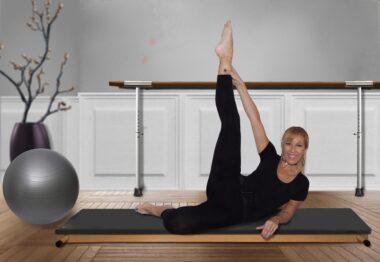

Pilates for Endurance Athletes: Core Strength and Injury Prevention
Endurance athletes often face unique challenges when it comes to their training, especially in maintaining core strength and minimizing the risk of injury. Pilates, as a low-impact exercise regimen, is especially beneficial for these athletes. As they engage in repetitive motions such as running, cycling, or swimming, their bodies become susceptible to imbalances and injuries. A strong core is crucial for efficiency, as it helps stabilize the body and allows for better performance across various disciplines. By integrating Pilates into their workouts, endurance athletes can enhance their performance and decrease the chances of injury in a variety of ways. Focusing on core strength not only improves stability but also promotes overall body alignment, making it easier to maintain proper form during long training sessions. Remember, core training with Pilates does not mean just performing traditional core exercises. Instead, it emphasizes building functional strength that translates directly to athletic performance through a range of movements. As a complement to their primary sport, Pilates provides endurance athletes with essential tools for achieving their goals.
To effectively incorporate Pilates into an endurance training program, athletes need to embrace the principles of control, concentration, and precision. These principles are foundational to Pilates as they guide practitioners to explore their movements thoughtfully. Control ensures that every exercise is executed with purpose, which is vital for athletes who often push their limits. Concentration enhances the quality of each movement, allowing athletes to focus on muscle engagement and body alignment. Precision, on the other hand, teaches the importance of doing exercises correctly rather than merely completing them. This holistic approach to training ultimately leads to a balanced physique, capable of sustaining prolonged physical activity. Athletes developing core strength through Pilates often notice improvements in their performance and overall endurance. Additionally, these principles cultivate mindfulness, encouraging athletes to become more in tune with their bodies. This awareness is crucial for early injury detection and prevention. By understanding how their bodies move, endurance athletes can identify areas of weakness and imbalances, leading to more effective training sessions. Therefore, integrating these principles can significantly enhance the effectiveness of Pilates.
Benefits of Pilates for Endurance
One of the most notable benefits of Pilates for endurance athletes is improving flexibility and mobility. Enhanced flexibility can significantly benefit athletes in various sports like running and cycling, where the body undergoes repetitive strain. A flexible body can maintain a better range of motion, which is essential for efficient movement. Pilates exercises promote flexibility through both static and dynamic stretching, allowing muscles to lengthen and recover properly. By incorporating regular Pilates sessions, athletes can not only improve their overall flexibility but also aid in post-workout recovery. This can lead to reduced muscle soreness and quickened recovery times, allowing athletes to return to their training routines more rapidly. Additionally, Pilates also emphasizes spinal mobility, which is vital for maintaining good posture during endurance activities. Maintaining proper posture reduces the risk of injuries caused by misalignment. Each exercise reinforces body awareness, instilling lifelong habits that can safeguard athletes’ physical health. Ultimately, by fostering flexibility and mobility, Pilates can help endurance athletes achieve their personal best while staying injury-free.
Moreover, Pilates serves as an excellent cross-training method for endurance athletes to improve their overall strength. While many endurance sports primarily focus on cardiovascular endurance, building functional strength plays a crucial role in enhancing performance. Pilates offers a unique blend of resistance training and body weight exercises that engages muscles in diverse ways. This method helps develop not just the core but also the upper and lower body strength required for various sports. Stronger muscles contribute to improved stamina, enabling athletes to endure longer and with better efficiency. In addition, Pilates exercises are designed to redistribute muscle engagement throughout the body, addressing weaknesses and reducing the likelihood of overuse injuries. Building strength through Pilates enables athletes to maintain better form during their primary sport, ultimately contributing to improved performance. Furthermore, a stronger athlete usually experiences lesser fatigue, which translates directly into enhanced training quality. With this in mind, those involved in endurance sports should consider Pilates as an integrated part of their strength training repertoire to maximize results.
Improving Body Awareness
Integrating Pilates into a training routine also fosters a heightened sense of body awareness, which is invaluable for endurance athletes. This increased awareness allows athletes to connect with their body movements and refine their technique throughout their performance. As they practice Pilates, athletes learn how to engage their core muscles, maintain correct alignment, and optimize their body’s biomechanics. This understanding leads to improved efficiency in their primary sport, enabling them to exert energy more effectively. Enhanced body awareness can also assist in injury prevention, as athletes become more attuned to the signals their bodies send them regarding fatigue and discomfort. Recognizing these signals allows them to adjust their training or seek assistance when needed, ultimately reducing the risk of sustaining injuries. Additionally, by cultivating mindfulness in their training, athletes experience relaxed, focused states beneficial for mental endurance. Imagery techniques practiced in Pilates can also help build mental resilience, which is equally as crucial during long races. Incorporating Pilates can improve both the physical and mental aspects of an athlete, aiding them in realizing their full potential.
Another critical aspect of Pilates aimed specifically at endurance athletes is the development of optimal breathing patterns. Proper breathing is essential not only for Pilates but also for performance in endurance sports. Many endurance athletes struggle with breath control, especially during high-intensity workouts or events. Pilates emphasizes diaphragmatic or
abdominal breathing, which allows for maximum oxygen intake during strenuous activities. This type of breathing improves lung capacity and oxygen delivery to working muscles, amplifying athletic performance. Additionally, learning to breathe deeply and rhythmically during exercise can help athletes manage anxiety and set a relaxed rhythm while training. As a result, athletes using these breathing techniques can maintain their endurance for more extended periods without feeling fatigued. Furthermore, mastering breath control supports better posture and movement efficiency. When athletes breathe correctly, they facilitate proper muscle engagement in both their core and peripheral muscles. This harmonious body function leads to improved results across various sports disciplines. As a highly beneficial practice, Pilates clearly serves as a powerful tool for endurance athletes seeking to optimize their breathing and enhance performance in their respective fields.
Conclusion: Embracing Pilates
In conclusion, Pilates proves to be an indispensable training tool for endurance athletes aiming to enhance performance while minimizing injuries. Through its focus on core strength, flexibility, body awareness, and breath control, Pilates offers a holistic approach to endurance training. Integrating Pilates allows athletes to develop a balanced body capable of sustaining extended physical challenges efficiently. Enhanced core strength improves stability and reduces the risk of injury, while improved flexibility promotes optimal movement patterns. Additionally, fostering body awareness helps athletes optimize their technique, preventing potential injuries in the long run. As athletes adopt breathing techniques learned in Pilates, they can effectively manage their oxygen intake, fostering endurance in tiring moments. The holistic nature of this practice leads to not just physical but mental improvements as well, making athletes resilient during competitions. By embracing Pilates as a vital part of their training regimen, endurance athletes can maximize their competitive edge. In a world where athletes strive for excellence, Pilates stands out as a beneficial method ensuring they achieve their goals sustainably.