
Indoor Climbing Groups and Their Role in Rehabilitation and Physical Therapy
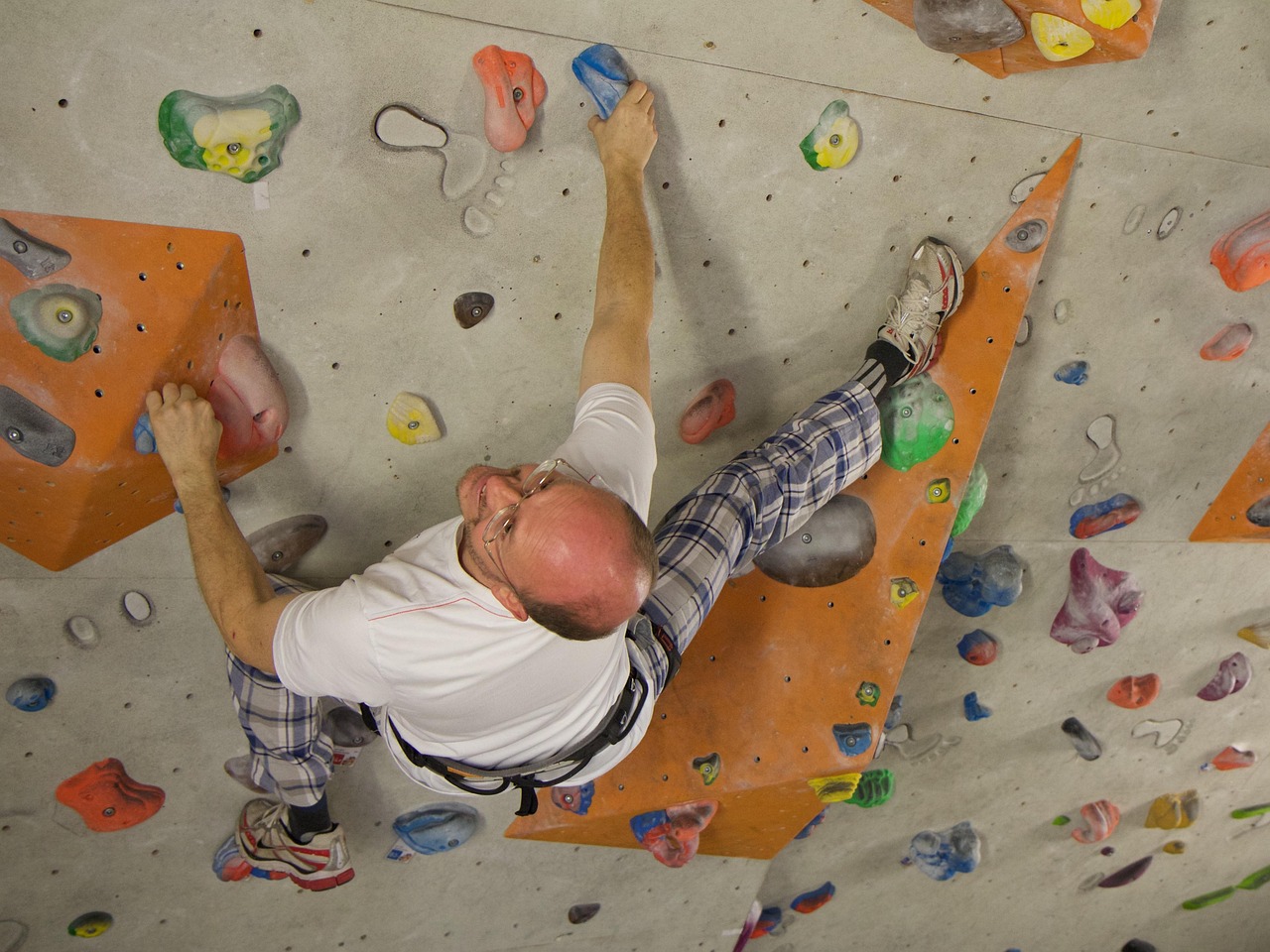
Indoor climbing groups offer unique opportunities for rehabilitation and physical therapy. Climbing requires various physical skills, including strength, flexibility, and endurance, making it suitable for therapy. Many individuals recovering from injuries benefit from climbing, as it enhances their physical capabilities and improves mental health. The social dynamics in these groups foster a supportive environment, encouraging participants to push through challenges together. Group settings provide motivation, where each climber’s progress inspires others. Additionally, these classes are often guided by trained instructors familiar with therapeutic methods. They adapt the climbing experience to individual needs, ensuring safety while maximizing benefits. The combination of physical activity with social interaction aids in quicker recovery and builds self-confidence. Challenges presented in climbing help participants focus on achievable goals, enhancing their overall journey. Various climbing techniques promote motor skills, coordination, and balance, key components in rehabilitation. Beginners and experienced climbers both find value in the inclusive nature of the activity. By participating in indoor climbing groups, individuals can explore new avenues of recovery while enjoying a dynamic and exciting physical activity.
The therapeutic benefits of indoor climbing are numerous, especially in a group setting. These benefits begin with physical outcomes, as climbing improves muscular endurance, strength, and coordination. The diverse climbing routes allow participants to select challenges that suit their current physical condition. Moreover, the negotiation of climbing routes can enhance problem-solving abilities, crucial in rehabilitation. Climbing helps to forge a connection between mind and body, essential for holistic healing. Participants often report feeling a sense of accomplishment upon completing a climb, which can boost mental health significantly. The endorphins released during physical activity contribute to reduced feelings of anxiety and stress, which are common after injury. In a group setting, shared experiences form bonds between participants, providing emotional support. This camaraderie fosters a positive recovery environment, encouraging individuals to focus on their healing journey without fear of judgment. Group fitness classes, such as indoor climbing, often integrate warm-up sessions, skill drills, and cooldown practices tailored for rehabilitation. This structured approach ensures climbers engage safely while maximizing the therapeutic aspect of each session, translating into effective healing and emotional well-being in a collaborative atmosphere.
Building Strength and Confidence
Indoor climbing groups play a crucial role in building both strength and confidence among participants. This physical activity demands various muscle groups to work together, contributing to overall physical health. As individuals learn to climb, they gradually strengthen their arms, legs, core, and back. Each ascent requires not only physical power but also mental fortitude and strategy. This multifaceted challenge creates an empowering experience, essential for those navigating rehabilitation. As participants achieve goals, they often feel invigorated and more confident in their abilities. Climbing also promotes improved balance and coordination, helping to reduce the risk of future injuries. Every completed climb enhances self-esteem, proving to individuals that they can overcome obstacles. Additionally, instructors provide personalized feedback, further bolstering confidence through constructive guidance. The supportive atmosphere within group classes enhances motivation, allowing participants to take on challenges they may not have attempted alone. As individuals push their limits, they also inspire their peers, creating a cycle of encouragement and growth. In this way, indoor climbing groups not only focus on physical rehabilitation but also nurture emotional strength, benefiting participants holistically.
Indoor climbing as a fitness activity offers a distinct approach for rehabilitation-centric physical therapy. The conducive environment of climbing gyms creates a controlled setting where participants can safely explore their limits. Here, climbs are tailored not just for fun but for recovery, integrating stretching, strengthening, and endurance-building techniques. The ability to adapt climbs based on individual abilities ensures people of all ages and fitness levels can participate. This inclusivity is fundamental for those rehabilitating from various injuries, whether they are recovering from surgeries, dealing with chronic pain, or strengthening after sports injuries. Additionally, therapists often collaborate with climbing instructors to design climbing programs that align with specific rehabilitation goals. Such partnerships lead to innovative therapeutic interventions involving climbing. Through guided practice, participants can regain mobility, flexibility, and strength while enjoying themselves in a social group environment. Furthermore, climbing nourishes personal motivation, allowing individuals to track their progress and celebrate achievements together. Such group dynamics impart a sense of belonging, essential for emotional healing, thereby enhancing both physical and psychological rehabilitation outcomes, making indoor climbing an ideal choice for therapeutic exercise.
The Social Benefits of Climbing Groups
Participation in indoor climbing groups carries notable social benefits that complement therapeutic outcomes. Engaging in group fitness enhances not just physical health but also emotional and social well-being. The shared space fosters a sense of community, where individuals support and encourage each other. Such social interactions are vital for those overcoming challenges in rehabilitation contexts. They break down barriers associated with isolation, which often accompanies healing processes. In these settings, climbers celebrate each other’s accomplishments, creating a positive reinforcement loop that boosts morale. Social connectivity plays a pivotal role in maintaining motivation, driving participants to attend sessions consistently. Group classes also offer opportunities for networking, friendships, and support outside the climbing gym, extending the sense of belonging. Sense of community is magnified during group challenges, igniting a spirit of camaraderie among climbers. Research indicates that engaging in team-oriented activities fosters communication and teamwork skills, further facilitating social rehabilitation. Furthermore, these skills translate into everyday life, benefiting personal relationships and self-esteem. Overall, climbing groups contribute immensely to the holistic healing process, returning individuals to their communities stronger and more capable.
In addition to physical and social benefits, indoor climbing further enhances cognitive function. Climbing is not only about physicality; it requires strategic thinking and problem-solving skills. Each climbing route presents distinct challenges, compelling climbers to visualize their movements and plan ahead. Those recovering from injuries often find that focusing on climbing routes distracts them from pain and discomfort, making it easier to engage in therapy. This mindfulness aspect allows participants to immerse themselves fully in the experience, enhancing mental clarity and focus. Furthermore, the cognitive demands of climbing can improve memory and analytical abilities, essential in recovery processes. As individuals repeatedly practice routes, they develop memory skills that aid in learning life skills. Additionally, instructors often integrate cognitive challenges within climbing sessions, promoting an all-rounded growth approach. Providing opportunities for individuals to tackle difficulties both physically and mentally contributes to self-awareness and improvement across many aspects of life. Consequently, climbing emerges as a transformative tool in therapy, enabling holistic development that extends beyond walls. Individuals find confidence to navigate not only their recovery journeys but also their everyday lives with greater resilience and determination.
Conclusion: Embracing Indoor Climbing
Indoor climbing serves as a robust mechanism for rehabilitation and physical therapy. Its multi-faceted benefits provide an inclusive and dynamic form of exercise. As a result, individuals across various ages and abilities find their niche and thrive in climbing groups. The unique blend of physical challenges, mental engagement, and social camaraderie creates a therapeutic haven for participants. Embracing climbing fosters a comprehensive approach to recovery, enabling individuals to rebuild strength, confidence, and social connections. Through adaptive practices, climbing caters to specific rehabilitation needs, ensuring every individual is addressed. The exhilaration of climbing can be transformative, providing emotional support and a sense of accomplishment. The group environment encourages collaboration, making individuals feel part of something greater while pursuing their healing. Ultimately, integrating indoor climbing into rehabilitation offers a refreshing perspective on recovery. Encouraging participants to embrace physical activities in social settings like climbing can revolutionize their therapy journey. As more individuals recognize the benefits of outdoor fitness activities, indoor climbing groups will continue to unite communities, inspiring them to harness the power of physical therapy.
By participating in indoor climbing, individuals step outside their comfort zones while engaging in rewarding and beneficial experiences. Such group classes become sanctuaries for personal transformation and healing. The future of indoor climbing groups in rehabilitation and physical therapy looks promising, and their positive impact will resonate well into the future. With the continuous growth of indoor climbing facilities, more people will discover its enormous potential as a tool for healing and togetherness. Embracing indoor climbing as a rehabilitation method encourages collective growth and individual mastery, instilling a sense of purpose and empowerment.