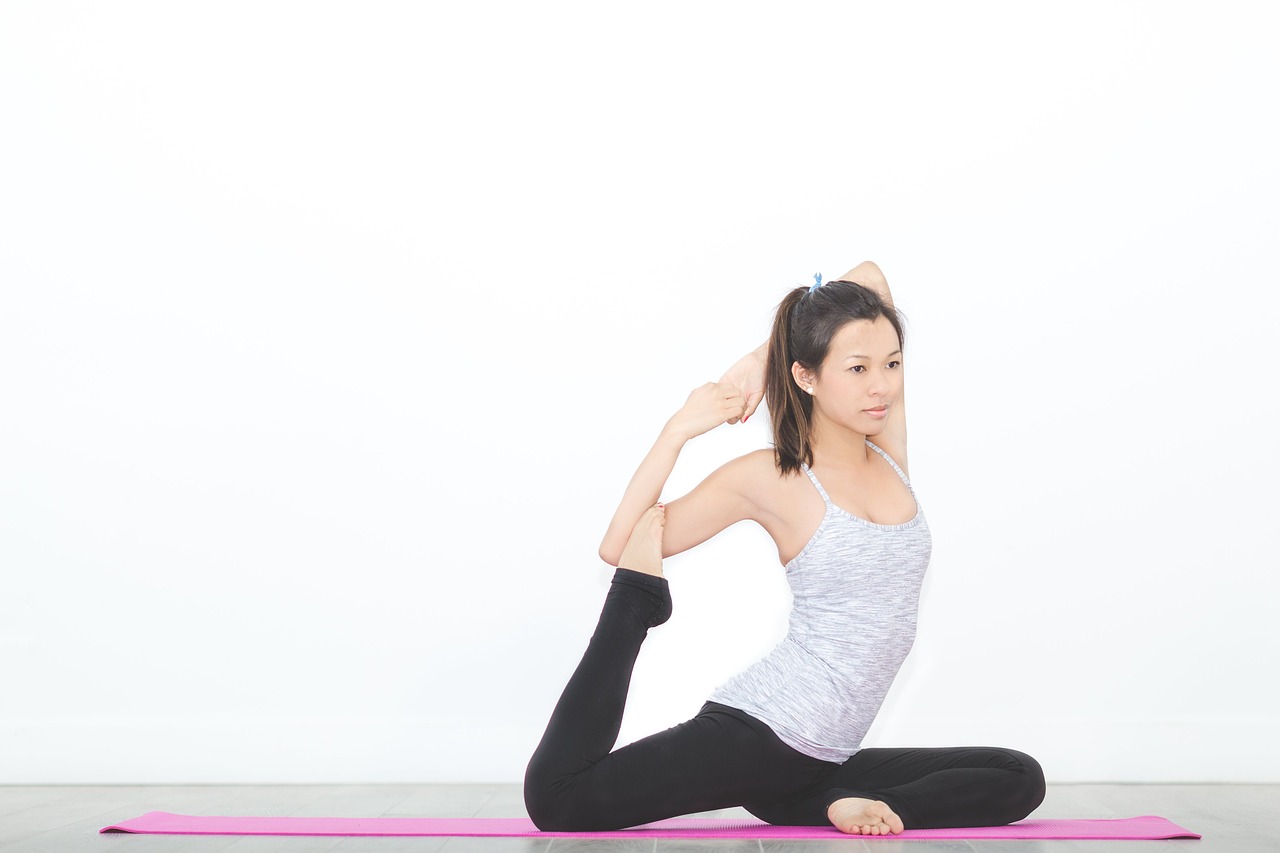

How to Stretch Properly at Your Office Desk
Being busy at work often leads to neglecting our physical well-being. However, stretching at your desk is a simple solution to improve your health. Regular stretching helps to reduce muscle tension, increase blood flow, and enhance flexibility. To start with, allocate just a few minutes between tasks for simple stretches. You can perform neck stretches by tilting your head gently from side to side. Keep your shoulders relaxed to avoid added strain. Additionally, wrist stretches are crucial for those who type frequently. Extend one arm in front, and with your other hand, gently pull back your fingers. Follow up with shoulder rolls. Raise your shoulders to your ears, then roll them back and down, which effortlessly alleviates tension. It’s essential to listen to your body throughout this process. If you feel discomfort during any stretch, ease back on the stretch and avoid pushing through pain. Create a routine by setting hourly reminders. Incorporating these stretches will not only refresh your body but also enhance your productivity and mood in the busy office environment.
In addition to simple neck and wrist stretches, incorporating your full body stretches can be beneficial. A great way to do this is through seated twists. Start by sitting up straight in your chair. Place your right hand behind you and twist your upper body to the right, using your left hand on your right thigh for support. Hold this position for a few breaths before returning to center and repeating on the other side. This stretch allows for spinal mobility and encourages better posture. Additionally, arm stretches can greatly relieve the tightness often felt from prolonged computer use. Extend both arms overhead, palms together, and stretch upwards as you breathe deeply. This expansion opens up your chest and improves circulation. Another beneficial stretch involves standing up briefly if your space allows. Take a step back from your desk and bend forward gently, allowing gravity to help hang your arms down towards the ground; this decompresses your spine and rejuvenates tired muscles. Establishing a habit of these stretches will give your body the necessary rejuvenation it craves during long workdays.
Focusing on Breathing Techniques
A vital aspect of stretching is proper breathing throughout your stretches. Being mindful of your breath enhances oxygen flow and promotes relaxation. Take deep, slow breaths while stretching. Inhale through your nose, allowing your belly to expand, then exhale through your mouth. This technique calms the nervous system, reducing desk-induced stress and fatigue. Practicing this while doing stretches can also help to clear your mind, allowing you to refocus on your tasks after stretching. Consider pairing stretching with breathing exercises such as box breathing. Inhale for a count of four, hold for four, exhale for four, and hold again for four. This rhythm encourages calmness and can be practiced during your desk stretches. Keep your focus on the areas being stretched, and maintain gentle, smooth movements. Avoid holding your breath during this process to ensure effective stretching, as breath control significantly influences muscle relaxation. Notice any tension within your body and consciously release it as you exhale. With these breathing strategies integrated into your routine, you can maximize the benefits of your desk stretches.
To create a more engaging environment for stretching at your office desk, consider incorporating stretching into team activities. Encouraging coworkers to join can make it both fun and beneficial. Schedule brief group stretching sessions during breaks or lunch hours. When multiple people join, it cultivates a sense of community and wellbeing. Also, try to integrate stretching into your meetings; rather than sitting for an hour straight, suggest everyone take a few moments to stretch or shift their positions periodically. Besides, adding stretches into your day not only helps you but promotes a supportive workplace culture that prioritizes health. Share guidelines on stretches you find effective with your colleagues. Consider utilizing visual aids for stretching routines posted so they are easily accessible. Use reminders in communal areas to inspire participation. Providing a shared stretch card with written instructions can serve as a quick reference. Before long, you’ll foster a culture where physical well-being is part of the daily office life. Taking care of one another’s health not only boosts morale but also improves productivity within your team.
The Impact of Regular Stretching
The benefits of regular stretching at your office desk extend beyond individual health; they can positively affect overall workplace culture. Engaging in stretches can decrease feelings of fatigue, tension, and even frustration. Workplace distractions can lead employees to feel overwhelmed during busy times, but stretching can be an excellent outlet for that stress. Notably, it can lower the risk of developing musculoskeletal issues from repetitive movements associated with long hours of typing and sitting. Incorporating such health-promoting activities into your work routine can reduce absenteeism and boost employee morale. Furthermore, when employees feel healthier physically, they perform better mentally. Increased focus, creativity, and productivity are a few of the perks that come from a simple stretching break. Encourage your colleagues to share their personal stretching experiences and insights for a collaborative environment. Cultivating a culture that recognizes the importance of physical well-being fosters commitment to healthy practices. Remember, it’s not just about getting through the day but investing in long-term health and productivity, creating an enjoyable and positive office environment for everyone involved.
Even with the best intentions, it can be challenging to sustain a routine of stretching at work. A great strategy is to keep a physical reminder of your commitment to stretch. Consider placing a sticky note on your computer screen or desk that prompts you to incorporate small stretches throughout the day. Highlight specific times when you can integrate these movements, such as after each meeting or every time you finish a task. Keeping reminders visible can help build the habit over time. Utilize technology as an aid; various apps remind you to stand, stretch, or take a brief walk. You can customize these notifications to align with your work habits. In addition, discover online resources offering guided stretching routines tailored for busy professionals. Videos, blogs, and tutorials can be beneficial for inspiration and proper form. Sharing these resources with team members can also foster an inclusive atmosphere for wellness. Make it a fun challenge; track and share daily stretching accomplishments among colleagues. Together, you can motivate one another towards better health and well-being while promoting a vibrant office environment.
Conclusion: Make Stretching a Habit
Ultimately, the key to successfully incorporating stretching into your office routine is consistency. Gradually building this habit ensures one will enjoy its many benefits. Set realistic goals for yourself; even short, frequent stretches can significantly improve your physical wellbeing. Try to end each work session with a few simple stretches, pausing to listen to your body’s needs. Create a schedule for daily stretches, incrementally increasing the duration and variety of stretches. Surround yourself with positive reinforcements, as motivation often comes from recognizing progress. Reward yourself for sticking to your routine, no matter how small the success may feel in the grand scheme of things. By valuing your health and prioritizing time for self-care, the positive impact will reflect on work performance and interpersonal relationships. The more you practice emphasizing physical well-being, the more it will permeate your workplace culture. In essence, fostering a culture of stretching can lead to a happier, healthier, and more productive environment. Start today, and encourage others to join you on this journey towards better health. Remember, every stretch counts!
By integrating consistent stretching into your daily work routine, you lay the groundwork for a healthier lifestyle. Consequently, you can alleviate the discomfort associated with prolonged office hours. Stretching provides immediate relief and contributes to long-term benefits. This investment in your physical health will translate to improved mental clarity and performance in your work tasks. Ensure that everyone in your workplace recognizes the advantages of taking these small breaks to stretch. Share your journey with coworkers to create accountability and promote collective well-being. Stretching should not be seen as an inconvenience; rather, view it as an essential practice to become more productive. You owe it to yourself and your team to prioritize health, fostering a vibrant workspace. In addition, encourage your employer to consider implementing workplace wellness programs. Suggest allocating time for group stretches throughout the day to cement this practice as part of the company culture. Everyone should feel empowered to take charge of their health. As you experience the benefits of office stretching routines, you may inspire others to adopt similar habits, creating a ripple effect that enhances health across your organization.