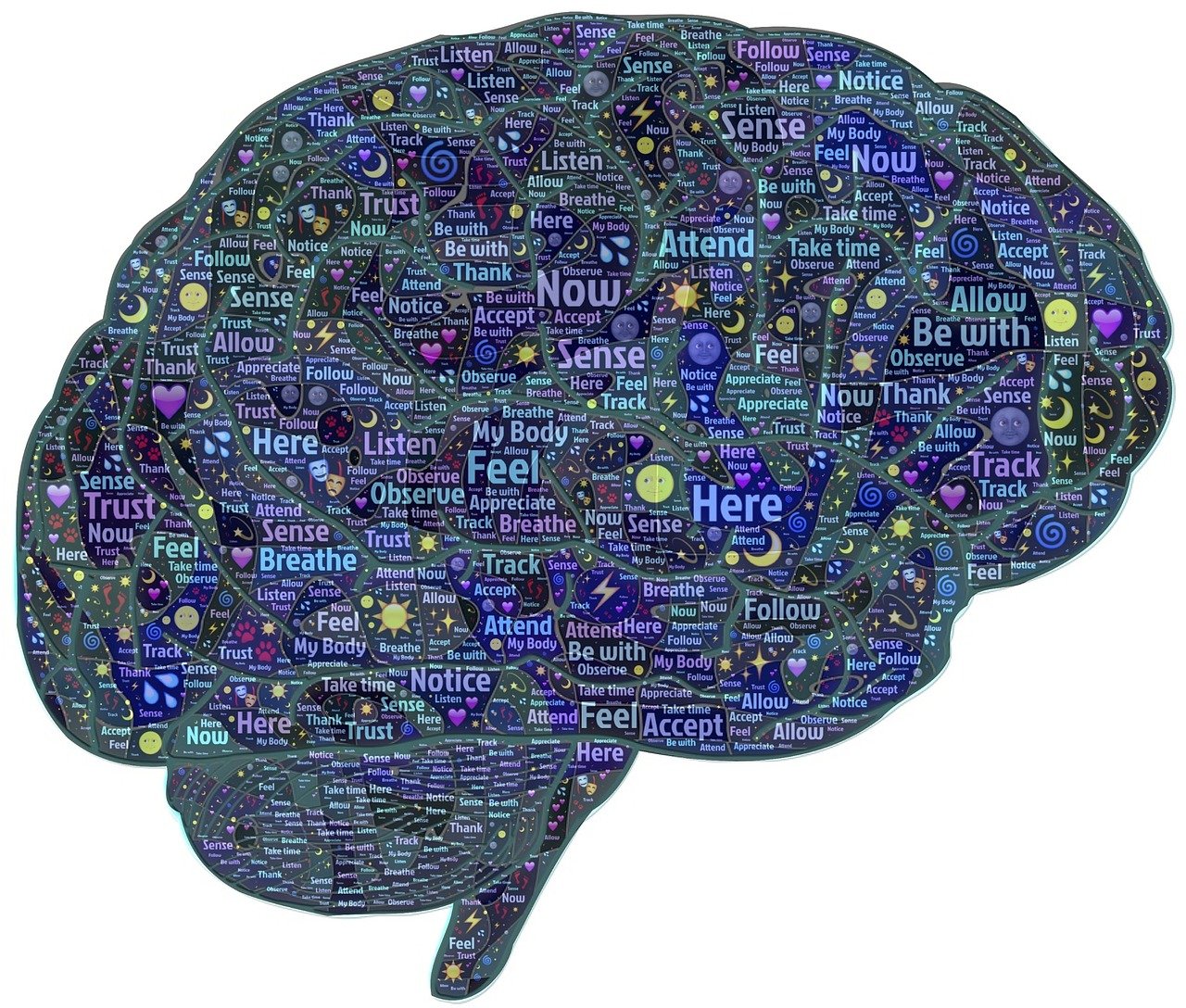

Developing Resilience Through Mind-Body Practices for Chronic Pain
The mind-body connection plays a crucial role in managing chronic pain. By incorporating practices that enhance this connection, individuals can develop resilience against the debilitating effects of pain. Connecting the mind and body involves recognizing how emotional and psychological factors influence physical sensations. This understanding empowers individuals to adopt strategies that promote healing and resilience. Techniques such as mindfulness, meditation, and yoga can significantly alter an individual’s response to pain. These practices enable the brain to process pain differently, often reducing the intensity of sensations felt. Engaging in a regular mind-body regimen can provide structure to daily life, helping to combat feelings of helplessness that often accompany chronic pain. Such practices also foster self-awareness, enabling individuals to recognize pain triggers and develop effective coping mechanisms. Research shows that mind-body approaches help mitigate the stress response associated with pain, leading to improved overall well-being. Incorporating these techniques into daily routines can enhance both psychological and physical health, offering a comprehensive strategy for managing chronic pain and enhancing quality of life.
One powerful method for managing chronic pain is through mindfulness meditation. Mindfulness entails focusing on the present moment with non-judgmental awareness. This practice allows individuals to observe their thoughts and feelings without becoming overwhelmed by them. By training the mind to better manage discomfort, individuals can achieve a greater sense of calm and empowerment. Mindfulness meditation can also facilitate emotional regulation, reducing anxiety and depression, which often accompanies chronic pain conditions. Scientific studies support the efficacy of mindfulness in reducing perceived pain levels and enhancing coping strategies. By maintaining a regular mindfulness practice, individuals can build emotional resilience, making it easier to navigate the ups and downs of chronic pain. Additionally, mindfulness can help identify unhelpful thought patterns, allowing for more constructive responses to pain. Resources such as apps and online programs provide ample opportunities to explore mindfulness techniques, ensuring accessibility for everyone. For those seeking relief from chronic discomfort, mindful practices stand out as a valuable tool to foster a healthier relationship with pain and improve overall mental health.
Another effective mind-body approach is the incorporation of yoga into one’s daily routine. Yoga combines physical postures, breathing techniques, and meditation. This holistic practice has been shown to enhance flexibility, strength, and balance, all vital for individuals managing chronic pain. Furthermore, yoga promotes relaxation and stress reduction, allowing participants to become attuned to their bodies. This heightened bodily awareness can aid in identifying pain triggers, facilitating better pain management strategies. Many studies have highlighted the benefits of yoga in decreasing pain intensity, improving physical function, and boosting overall quality of life. Incorporating breathing exercises within yoga practice teaches individuals to control their physiological responses to pain. Through regulated breath, one can activate the body’s relaxation response, counteracting the stress-related tension exacerbating pain. Whether through group classes or home practice, yoga offers various styles to suit personal preferences and physical limitations. Many online resources provide information and guidance for practitioners at any skill level. By committing to a consistent yoga practice, individuals can cultivate resilience, ultimately transforming their relationship with chronic pain into an empowered journey.
Harnessing Visualization Techniques
Visualization techniques represent another effective method for managing chronic pain through mind-body practices. This approach entails imagining a peaceful scene or recalling pleasant memories to create a sense of comfort and relaxation. Visualization helps in reducing stress and reorienting focus away from pain. Individuals may visualize their pain diminishing or their bodies healing, reinforcing positive outcomes. Scientific evidence supports the effectiveness of visualization in reducing pain perception and fostering a positive mindset. This technique helps to create neural pathways associated with relaxation and relief, which can translate into physical benefits. By actively engaging the mind in this way, individuals can empower themselves to cope with discomfort more effectively. Regular practice of visualization can deepen the connection between the mind and body, enhancing resilience in the face of challenges. Resources such as guided imagery recordings can facilitate this practice, providing clear instructions and support. Creating a peaceful environment conducive to visualization enhances its effects, making it easier to engage fully in the experience. Ultimately, incorporating visualization techniques enables individuals combating chronic pain to cultivate strength and resilience over time.
Journaling can also serve as a beneficial mind-body practice for managing chronic pain. Expressive writing provides a creative outlet for individuals to articulate their pain experiences. Documenting thoughts and emotions surrounding pain can lead to increased self-awareness and clarity. This practice can help individuals process their feelings, transforming frustrations into constructive reflections. Studies indicate that journaling promotes emotional well-being and can even reduce the perception of pain. By reflecting on their experiences, individuals may identify patterns or triggers in their pain, leading to innovative coping strategies. Regularly journaling encourages a routine of self-reflection, which can enhance resilience over time. Furthermore, creative writing fosters positive emotions and allows the exploration of gratitude, further improving mental health. Journals may also serve as a record of progress, enabling individuals to track their pain experiences over time. Retrospectively reviewing entries can reveal insights into personal growth and resilience. Digital journals or traditional notebooks both offer flexibility for those integrating this practice into their lives. Through journaling, individuals navigate their journeys with chronic pain more thoughtfully and intentionally.
Engaging with gratitude practices can also be immensely beneficial for managing chronic pain through mind-body techniques. Practicing gratitude helps shift focus away from pain by encouraging individuals to acknowledge positive experiences and feelings within their lives. This shift in perspective can promote happiness and emotional resilience, reducing feelings of helplessness that often accompany chronic pain. Studies have shown that cultivating a grateful mindset can even result in reduced pain perception over time. Simple activities, such as listing daily gratitudes or reflecting on positive interactions, can enhance mental well-being. Integrating gratitude practices into daily routines fosters intention and consciousness about life’s moments that bring joy. By nurturing a sense of appreciation, individuals may cultivate a more hopeful outlook on their pain journey. These practices take minimal time and can create significant emotional shifts. Gratitude journals or appreciation exercises also inspire a sense of community, encouraging individuals to share their reflections with others facing similar challenges. Embracing gratitude serves as a powerful reminder of both resilience and the potential for joy amidst chronic pain experiences.
Developing Emotional Intelligence
Lastly, fostering emotional intelligence represents a vital aspect of managing chronic pain through mind-body approaches. Emotional intelligence encompasses the ability to understand and manage one’s emotions effectively. Higher emotional intelligence allows for better recognition of how emotions impact pain perception. Individuals can learn to respond to pain with compassion rather than frustration, promoting resilience. By identifying emotional triggers, individuals can develop strategies to mitigate pain exacerbation. Engaging in self-compassion practices cultivates a kinder internal dialogue, critically important amid chronic pain struggles. Many resources, including workshops and online courses, focus on enhancing emotional intelligence to support individuals in their pain management journeys. As emotional intelligence develops, individuals may become better equipped to navigate social interactions, improving their overall support systems. Greater self-awareness, alongside emotional regulation, leads to transformative shifts in one’s relationship with pain. By actively participating in this process, individuals cultivate resilience and foster healthier coping mechanisms. Ultimately, enhancing emotional intelligence empowers individuals managing chronic pain, allowing them to lead fulfilling lives despite their challenges.
In conclusion, mind-body approaches provide effective strategies for managing chronic pain through various practices. Techniques such as mindfulness meditation, yoga, visualization, journaling, and cultivating gratitude all contribute to building resilience and emotional well-being. By recognizing the integral connection between the mind and body, individuals can adopt holistic practices that empower them in their pain journeys. Developing resilience is a continuous process, often requiring dedication and intentionality. These mind-body techniques are versatile, as they adapt to different lifestyles and preferences, allowing for personal exploration and growth. As individuals cultivate their mind-body connection, they become better equipped to manage chronic pain and enhance their overall quality of life. Engaging with supportive resources can enrich this journey, promoting persistent self-improvement and emotional growth. Investing in mind-body practices fosters healthier coping strategies, improving mental health and resilience. The combination of these techniques can lead to transformative changes, providing individuals with the tools needed to face their challenges head-on. Ultimately, embracing a mind-body approach fosters a greater sense of empowerment, enabling individuals to thrive despite chronic pain.