
Aerobic Exercise and Its Effect on Aging Heart Health
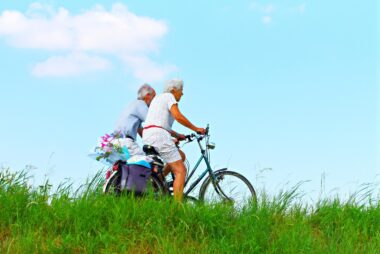
Aging affects heart health significantly, impacting overall wellness and vitality in later years. Aerobic exercise emerges as a crucial tool in countering these effects, helping to maintain cardiovascular strength and function. Regular aerobic activities such as walking, cycling, and swimming enhance heart efficiency by improving circulation and lowering blood pressure. These exercises increase heart rate, promoting the delivery of oxygen to vital organs. Importantly, aerobic exercise can help manage chronic conditions often found in older adults, such as hypertension and type 2 diabetes. Studies show that engaging in moderate aerobic activity can reduce mortality rates associated with heart disease. The Centers for Disease Control and Prevention recommends older adults engage in at least 150 minutes of moderate-intensity aerobic exercise weekly, which can be broken down into convenient sessions to fit varying lifestyles. Furthermore, as we age, muscle mass decreases, which can affect cardiovascular health. Integrating strength training alongside aerobic exercise can amplify benefits. Therefore, older adults should find enjoyable aerobic activities that promote both physical and mental health, ensuring they stay active and engaged in their communities.
Aging brings physical changes that can lead to decreased cardiovascular health, necessitating changes to exercise habits. Aerobic exercise plays a vital role in improving heart health among seniors. Not only does it enhance blood flow, but it also aids in managing cholesterol levels. Older adults may experience elevated cholesterol, increasing the risk of heart disease. Aerobic activities help to raise high-density lipoprotein (HDL) cholesterol, the “good” cholesterol that helps clear fats from the bloodstream. Furthermore, maintaining a healthy weight is crucial, as obesity is a common risk factor for heart conditions. Consistent aerobic exercise encourages weight management by burning calories and improving metabolism. Additionally, regular physical activity fosters greater endurance, allowing seniors to engage in daily activities with ease. The joy of aerobic exercise extends beyond just physical benefits, contributing to improved mood and mental health. Engaging in group activities, such as dance classes or walking clubs, promotes social interaction, which is crucial for emotional well-being. The synergistic effect of physical and social engagement creates a holistic approach to aging. Therefore, exploring and participating in aerobic exercises benefits older adults cognitively and physically.
Mechanisms Behind Aerobic Benefits
The benefits of aerobic exercise extend beyond mere cardiovascular improvements; they also involve intricate biological mechanisms. Engaging in such exercise increases the heart’s efficiency, allowing it to pump more blood per beat. This is crucial as it reduces the overall workload on the heart and promotes heart health over time. Enhanced oxygen uptake and delivery to tissues are facilitated by increased capillary density, meaning more capillaries form within the muscles, improving performance. Moreover, aerobic exercise triggers the release of beneficial hormones such as endorphins and prostaglandins. The former helps alleviate stress and promote happiness, while the latter aids in inflammation reduction, which becomes vital for older adults dealing with age-related inflammatory processes. Regular sessions of aerobic exercise can also encourage angiogenesis, the process wherein new blood vessels form from existing ones, thus improving oxygen and nutrient supply to muscles and organs. This increased blood flow fosters better physical performance and recovery. Additionally, consistent aerobic activity leads to improved elasticity of blood vessels, essential for maintaining healthy blood pressure levels. These cumulative effects of aerobic exercise highlight its multifaceted role in promoting better heart health as we age.
Besides physiological benefits, aerobic exercise greatly impacts mental health, particularly in older adults facing psychological challenges. Depression and anxiety may accompany aging, and studies consistently show that engaging in regular aerobic exercise helps alleviate these conditions. Exercise releases endorphins, known as ‘feel-good’ hormones, which enhance mood and overall sense of well-being. Furthermore, aerobic activities introduce a structured routine, providing purpose and engagement in daily life. Many seniors face isolation, leading to feelings of loneliness. Joining group classes or exercise groups fosters social connections, allowing individuals to share experiences and encourage each other. The social aspect of aerobic exercise enhances motivation, supporting continued participation. Research demonstrates that older adults who engage in regular exercise report higher energy levels, improved sleep patterns, and reduced levels of anxiety. These mental health benefits are life-changing, enhancing both quality of life and longevity. Therefore, promoting aerobic activities among older adults is vital to address physical and emotional challenges that come with aging. As such, community programs focusing on exercise can significantly enhance the lives of elderly individuals, catalyzing widespread health and well-being.
Guidelines for Safe Aerobic Exercise
It’s essential to consider safe practices when incorporating aerobic exercise into an older adult’s routine. Personalized exercise plans should start with a healthcare consultation to assess any pre-existing health conditions. This ensures that the chosen activities are suitable and safe. Walking is often recommended for its low-impact nature, making it accessible for most seniors. Starting with short sessions, gradually increasing duration and intensity over time promotes safety. Older adults should aim for at least thirty minutes of exercise most days of the week, which can be broken into ten-minute intervals if necessary. It’s also essential to listen to the body; any signs of pain, dizziness, or discomfort should prompt an immediate stop and consultation with a healthcare provider. Aerobic exercise can also include activities like water aerobics, which is gentle on the joints yet effective in improving cardiovascular health. Additionally, always warming up and cooling down will prevent injuries and promote flexibility. Staying hydrated before and after exercise is crucial, particularly for older adults at higher risk of dehydration. Adhering to these guidelines ensures a safe approach to reap aerobic benefits.
As older adults embrace aerobic exercise, the importance of community engagement cannot be overstated. Supportive environments that encourage seniors to join group activities foster inclusivity and motivation, creating a sense of belonging. Communities that offer exercise programs devote significant resources to promote health among older residents. Local parks and recreation centers can host classes tailored to seniors’ needs, ensuring accessibility for participants. Engaging with peers is not only beneficial for encouragement but also enhances enjoyment of physical activity. Seniors often find activities more fulfilling when shared with others, fostering friendships that can last a lifetime. Organizations and local governments should invest in promoting accessible fitness opportunities for seniors. Facilitation of walking groups, dance classes, or community challenges creates excitement and motivation. Celebrating milestones and participation fosters pride among seniors. Therefore, creating a culture of activity should be a priority. Fitness providers should adapt programs that consider mobility challenges, physical limitations, and varying levels of fitness among participants. When older adults feel valued and encouraged, they become more likely to pursue regular aerobic exercises. Thus, promoting a community-centered approach enhances public health outcomes for aging populations.
Conclusion on Aerobic Exercise Effectiveness
Aerobic exercise emerges as a vital component in maintaining heart health and well-being among older adults. The physiological and psychological benefits significantly enhance the quality of life, enabling seniors to engage actively in their communities. Through consistent participation, older adults experience reduced risks of chronic diseases, improved cardiovascular function, and enhanced mental health. Emphasizing safe practices and community support creates an optimal environment for older adults to thrive through aerobic exercise. Engaging in social interactions, maintaining a sense of purpose, and enjoying the process of physical activity contribute holistically to the aging experience. Encouragement from family, friends, and healthcare professionals can further motivate older individuals to pursue aerobic activities. Similarly, local initiatives to create accessible and tailored programs can enhance participation rates among this demographic. Overall, the commitment to promoting aerobic exercise for aging populations bears profound implications for public health and longevity. With proper guidance, support, and encouragement, older adults can lead healthier, happier lives, embracing aging with vitality and joy. The future of our aging society depends on recognizing the importance of physical activity, particularly aerobic exercise, for improved heart health.
This is another paragraph with exactly 190 words…