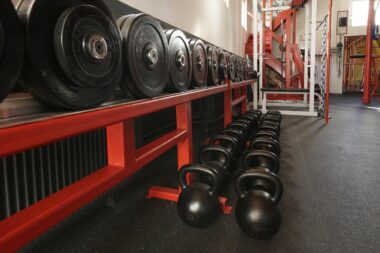

Why Functional Training is Becoming a Fitness Staple
In recent years, functional training has surged in popularity within the fitness industry. This workout style mimics daily movements, providing a practical approach to exercise. Participants can expect to enhance their overall effectiveness in everyday tasks through improved stability, strength, and coordination. Functional training focuses on engaging multiple muscle groups simultaneously, promoting more efficient workouts. Furthermore, it allows individuals to train in a way that closely resembles the activities they perform in real life, promoting better long-term results. Gymgoers are increasingly drawn to programs that enhance functionality in their movements, transforming how they experience fitness. It emphasizes core stability, strength, flexibility, and is accessible to all fitness levels, from beginners to seasoned athletes. Trainers often utilize various tools, such as kettlebells, resistance bands, and stability balls, making these workouts versatile and engaging. Traditional isolated exercises are being replaced by this innovative style, appealing to those looking for effective and enjoyable routines. As a result, functional training is rapidly becoming a go-to choice for individuals wanting to maximize their workout effectiveness and efficiency.
Functional training also cultivates a sense of community among participants. Group classes are often designed to foster camaraderie, encouraging individuals to work collaboratively towards similar fitness goals. This environment not only enhances motivation but also makes exercising more enjoyable. Exercisers often find themselves bonding over shared experiences, helping to create lasting friendships and support systems. The integration of functional movement patterns promotes a holistic approach to health. Reducing the risk of injury during activities is a primary goal, as participants train their bodies for real-life situations. Many gyms now offer dedicated classes focusing on functional exercises, highlighting its appeal in both group settings and personal training. This trend provides a pathway for regular engagement and long-term fitness adherence. Moreover, as more people recognize the importance of functional strength, the demand for this training style continues to rise. Instructors increasingly incorporate various modalities into workouts, further enhancing the benefits of functional training while ensuring participants remain engaged and challenged. By focusing on functional capabilities, this training approach provides a comprehensive workout experience that is set to revolutionize fitness worldwide.
Benefits of Functional Training
There are numerous benefits associated with functional training, making it a popular choice among fitness enthusiasts. One significant advantage is improved overall strength and conditioning for daily activities. Functional training emphasizes movements that enhance athletic performance and physical capacity, particularly for sports. Furthermore, this training style encourages functional flexibility. Incorporating stretches into workouts can improve overall range of motion, allowing participants to move more freely. These physical improvements can lead to an enhanced sense of well-being and quality of life. Another crucial benefit is its adaptability. Functional exercises can easily be modified for individuals of all fitness levels, ensuring that everyone can participate and progress according to their abilities. As a result, functional training supports inclusivity, allowing people with diverse fitness backgrounds to experience its advantages. The personalized nature of these workouts fosters long-lasting results, as individuals engage in exercises tailored to their unique needs. Additionally, functional training enhances metabolic efficiency, leading to improved calorie burn during and after workouts. These multifaceted benefits make functional training a powerful ally in personal fitness journeys.
Another notable aspect of functional training is its diverse range of workouts. Instructors can draw from various exercise styles, including Pilates, yoga, and high-intensity interval training (HIIT), providing a rich training experience. This variety keeps participants motivated and engaged, as they continuously challenge their bodies in new ways. Importantly, balanced programming promotes comprehensive development of strength, flexibility, and endurance. Participants enjoy a lively and dynamic atmosphere that is far from monotonous. Regularly switching up routines not only enhances performance but also combats workout boredom, making it easier for people to stick with their fitness regimen. Moreover, the focus on functional movements supports improved posture and alignment, essential for long-term health. As individuals become more aware of their bodies and mechanics, they naturally develop better movement patterns. Increased awareness translates into more efficient exercise execution, further amplifying the benefits gained from functional training. By engaging in a well-rounded regimen, individuals can experience holistic growth fostering not just improvements in physical fitness but also valuable life skills, enhancing personal accomplishments beyond the gym environment.
The Role of Technology
As functional training grows in popularity, technology plays an increasingly vital role in enhancing the experience. Numerous fitness apps and devices enable participants to track their progress, set goals, and engage with their workouts in innovative ways. Wearable fitness technology such as heart rate monitors and activity trackers allows individuals to monitor their performance, fostering accountability and motivation. This real-time feedback helps individuals make data-driven decisions to optimize their workouts. Moreover, social media platforms facilitate community engagement, allowing fitness enthusiasts to share tips and training experiences. Online resources provide informative content, with tutorials, workout programs, and motivational stories inspiring others to embrace functional training. Virtual training options have become popular, especially during times when in-person sessions are limited. Live-streamed classes and on-demand workout videos allow anyone to participate in functional training, regardless of their location. This accessibility is key to reaching a broader audience and promoting fitness in various communities. As technology continues to evolve, its influence on functional training will undoubtedly shape how individuals approach their health and fitness journeys.
Furthermore, accessibility is crucial for the growth of functional training in today’s health-conscious society. Many people feel overwhelmed by traditional gym settings, which may not always offer the support they need. Functional training environments provide an inclusive atmosphere where individuals feel safe and welcome to learn and grow. Trainers typically guide participants and offer personalized feedback, ensuring that everyone understands proper techniques. This personalized instruction helps newcomers build confidence and competence in their abilities, breaking down barriers that may have previously deterred them from joining a gym. The incorporation of bodyweight movements into functional training makes it attainable for everyone, regardless of fitness level. These modifications facilitate participation for individuals with physical limitations or those just beginning their fitness journey. Additionally, personal trainers are increasingly embracing functional fitness as a core component of their programming to ensure clients reach their goals efficiently. By focusing on functional training, gyms can attract a wider range of clients seeking effective and engaging workout options that support versatility and long-term adherence, ultimately shaping the future of the fitness industry.
Looking Ahead
As functional training continues to evolve, its influence on the fitness industry will undoubtedly expand. The rising interest in holistic health places functional training at the forefront of exercise programming. As more individuals recognize the benefits of training that mimics real-life activities, they will increasingly turn to these methods for effective workouts. Additionally, fitness professionals are likely to pursue ongoing education in functional training concepts, ensuring they remain on the cutting edge of the industry. This trend promotes the integration of science-based practices into exercise programming while addressing diverse populations. Lastly, the concept of functional strength will permeate multiple aspects of health and wellness, from nutrition to mental resilience. As the fitness community embraces functional training as a staple method, we can expect to see a shift in how individuals view wellness. Empowered by practical skills to enhance overall quality of life, people will be more equipped to face challenges in all aspects of their lives. In summary, functional training not only serves individuals seeking fitness but also promotes a richer and more balanced understanding of health and well-being.
This approach can translate into improved everyday experiences for those who engage with such training methods. With a growing array of classes available, functional training is set to become a defining feature of modern fitness culture. As the fitness landscape continues to adapt, functional training will remain an essential tool for individuals seeking effective, evidence-based approaches to health and fitness. Its principles foster engagement, inclusivity, and well-rounded development among participants. The future looks bright for functional training, which offers significant opportunities for individuals to achieve their physical and personal aspirations. As interest grows among fitness providers and enthusiasts alike, functional training will likely solidify its place as a staple in the fitness industry. The emphasis on functional, practical movement patterns inspires individuals to adopt a more dynamic and actionable approach towards their health and fitness goals. The blend of innovation, community support, and widespread acceptance will pave the way for a health revolution. In embracing functional training, individuals from all walks of life can benefit from improved health and fitness, ultimately leading to a more active and fulfilled lifestyle.