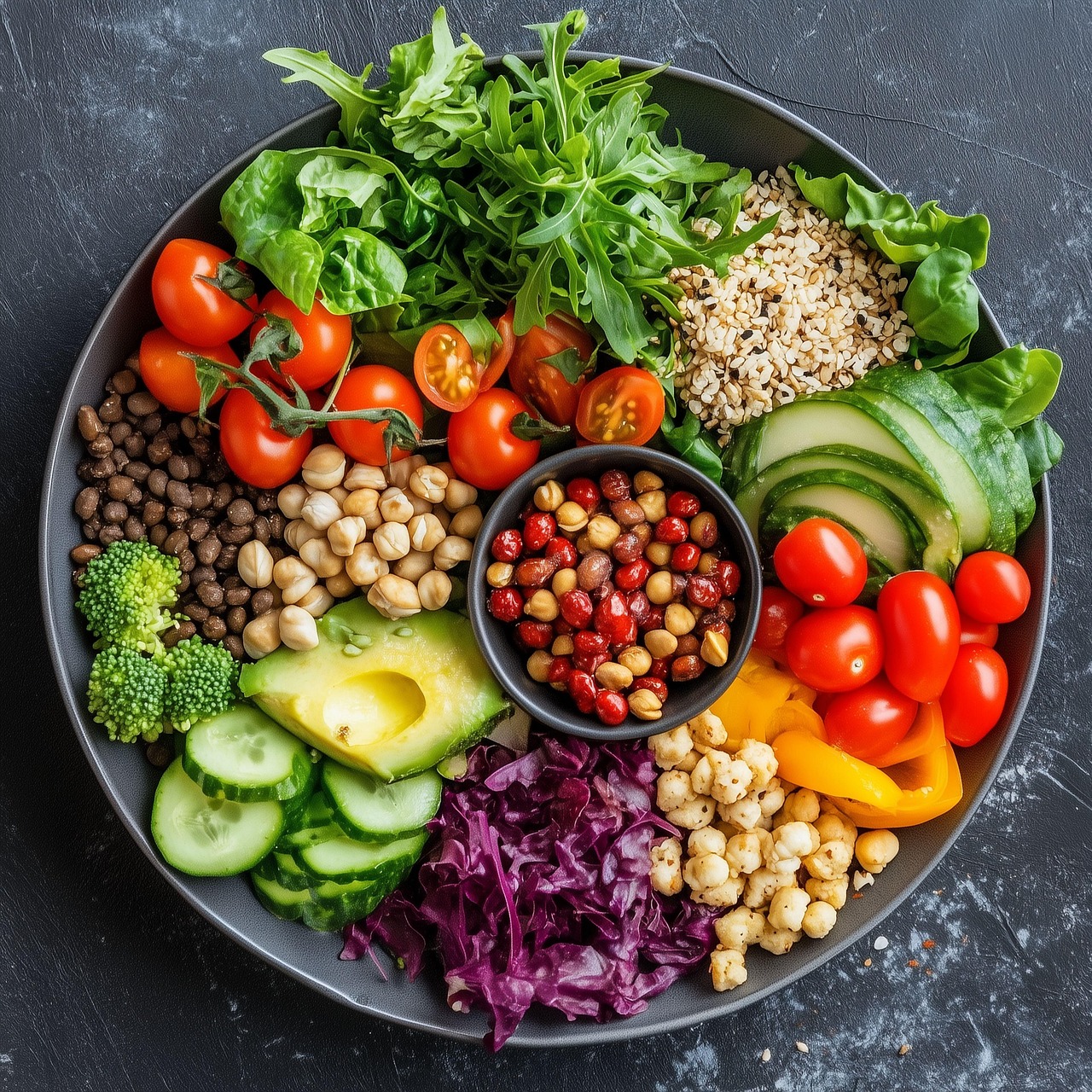

Importance of Balanced Diet in Muscle Growth
Building muscle is a complex process that requires not only rigorous exercise but also a nutritious and balanced diet. This diet plays an essential role in fueling workouts, facilitating recovery, and promoting muscle growth. Proteins, carbohydrates, and fats are the three fundamental nutrients critical to muscle development. Hence, it is paramount to consume a diverse range of foods to ensure you meet your dietary needs. Proteins are particularly vital as they provide the building blocks necessary for muscle fiber repair and growth. Foods like chicken, fish, legumes, and dairy products are excellent protein sources. Coupled with this, carbohydrates act as energy, providing the vitality needed to perform high-intensity workouts. Incorporating whole grains, fruits, and vegetables will ensure a steady supply of energy during training sessions. Additionally, healthy fats are essential for hormonal balance and overall health. Avocados, nuts, and olive oil are beneficial options. Ultimately, a balanced diet that includes these macronutrients promotes optimum recovery, consistency in workouts, and ultimately, muscle growth.
A proper understanding of macronutrients is crucial when it comes to muscle building. Each macro plays a specific role in your diet and affects your performance. Proteins should constitute about 15-25% of your daily caloric intake to support muscle repair and growth. This macro helps in recovering damaged muscle fibers after workouts. On the other hand, carbohydrates should comprise 45-65% of your diet. They are essential for providing energy for workouts and recovery. You should focus on complex carbohydrates for sustained energy levels. Healthy fats, representing about 20-35% of your diet, are vital for maintaining energy and supporting hormone production. Balancing these macros ensures that you have enough energy to perform exercises while also enhancing muscle growth. Moreover, paying attention to your meal timing can also make a significant difference. Consuming the right mix of macronutrients after your workouts is particularly beneficial. For instance, combining protein and carbs post-exercise helps replenish glycogen stores and kickstart recovery. This way, you instigate a conducive environment for muscle growth.
Benefits of Hydration
While focusing on macronutrients is essential, hydration is equally paramount in your muscle-building journey. Water helps transport nutrients throughout the body, facilitating the absorption of the vital proteins and carbohydrates necessary for muscle growth. Dehydration can lead to decreased athletic performance and increase the possibility of injury. Therefore, staying adequately hydrated permits optimal muscle function and endurance during workouts. As a general guideline, aim for at least eight glasses of water daily, but adjust according to your activity level, climate, and individual needs. During workouts, hydrating with electrolyte-enriched beverages can further enhance performance, especially in lengthy or intense training sessions. Proper hydration also aids in recovery, as it helps flush out waste products generated during exercise. Consequently, ensuring hydration before, during, and after workouts can promote better results in muscle growth. Incorporating hydration strategies, like having a water bottle on hand, tracking your water intake, or setting reminders, can contribute to better overall hydration. Thus, prioritize hydration as a key component of your balanced diet to boost muscle growth efficiently.
Micronutrients too hold paramount importance in supporting muscle growth and overall health. These include vitamins and minerals that are often overlooked. Although they do not have caloric value, micronutrients play numerous roles, including tissue repair, energy metabolism and immune function. For example, vitamin D is crucial for bone health and muscle function. Calcium strengthens bones, while magnesium supports muscle contraction. Foods rich in micronutrients include fruits, vegetables, nuts, dairy, and whole grains. Incorporating colorful meals can often ensure you are getting a variety of these essential nutrients. Focus on leafy greens, berries, and citrus fruits, as they are packed with antioxidants that help in muscle recovery. The inclusion of a diverse spectrum of foods enhances your micronutrient profile. Additionally, consider speaking to your healthcare provider about supplements if you have specific dietary restrictions. Ensuring a sufficient intake of vitamins and minerals can help prevent deficiencies that may hinder muscle-building progress. Therefore, prioritize a diet rich in micronutrients. This practice, combined with an overall balanced nutritional strategy, enhances muscle growth and improves your athletic performance.
Consistency is Key
When it comes to muscle building, consistency in both your diet and workout routine is essential. Maintaining a balanced diet rich in macronutrients fosters improved results over time. Adhering to your nutrition plan serves to maximize calorie intake, allowing the body to repair and build muscle effectively. You should focus on meal prepping to ensure you have healthy options readily available rather than succumbing to fast-food temptations. Setting specific goals can further enhance dietary adherence; for instance, you could aim to increase protein intake gradually each week. Sticking to a consistent exercise routine will also synchronize well with a well-planned diet. Consider tracking your progress through journaling or using a fitness app. This practice encourages accountability and reflects your dietary contributions toward muscle growth. Taking progress photos and measurements will further illustrate your achievements. Remember that gaining muscle is a gradual process; results are not always immediate. Having a consistent nutrition and workout plan will ensure success in the long run and create the desired physique that you aim for.
The psychological component of maintaining a balanced diet and exercise regimen cannot be underestimated. Nutrition contributes a great deal to mental well-being, promoting a positive mindset that is crucial for workout success. A well-nourished body leads to better stamina and lesser fatigue, fostering a more enjoyable training experience. Conversely, a poor diet can lead to mood swings and decreased motivation, ultimately hindering muscle growth. To counteract potential psychological barriers, consider applying mindfulness techniques when eating. Savoring meals and paying attention to hunger cues can foster a healthier relationship with food. Surrounding yourself with supportive peers can also encourage adherence to your goals. Consider joining fitness communities or groups that share similar objectives. Social recipes or workout challenges can create a sense of accountability. Additionally, celebrating small victories can reinforce your commitment to muscle-building goals. Focus on progress rather than perfection. In this regard, mental health plays an integral role in your journey toward muscle growth. The link between a balanced diet, emotional stability, and workout success emphasizes the necessity of incorporating psychological well-being into your muscle-building strategy.
Final Thoughts
In conclusion, a balanced diet is imperative for muscle growth and optimal performance. To maximize your muscle-building efforts, carefully consider your macronutrient ratios, ensuring adequate protein, carbohydrates, and fats in your meals. Don’t forget the importance of hydration in enhancing recovery and performance during workouts, along with the role of micronutrients in overall health. Be consistent with both your nutrition and exercise routines and consider psychological aspects to maintain your motivations cheeringly high. A solid foundation centered around a well-planned diet, coupled with regular training sessions, will most undoubtedly yield the best results. Reflect on your dietary habits and make necessary changes as needed to align with your goals. Always remember that small adjustments can lead to significant improvements over time. With patience, perseverance, and time, the fruits of your labor will manifest in your muscle definition and strength. Therefore, begin your journey toward an optimal balanced diet today, and witness remarkable changes in muscle growth and overall fitness. By doing this, you’ll be on your way to achieving your fitness aspirations.
In closing, keeping track of your diet, exercise regimen, and overall goals is vital to long-term muscle growth. Create a clear, realistic plan and be adaptable to changes in your lifestyle. Use various strategies, being mindful of both your physical and mental health. In doing so, you can foster not only muscle growth but improve your overall quality of life. Start today, stay committed, and watch as your physique transforms over time.