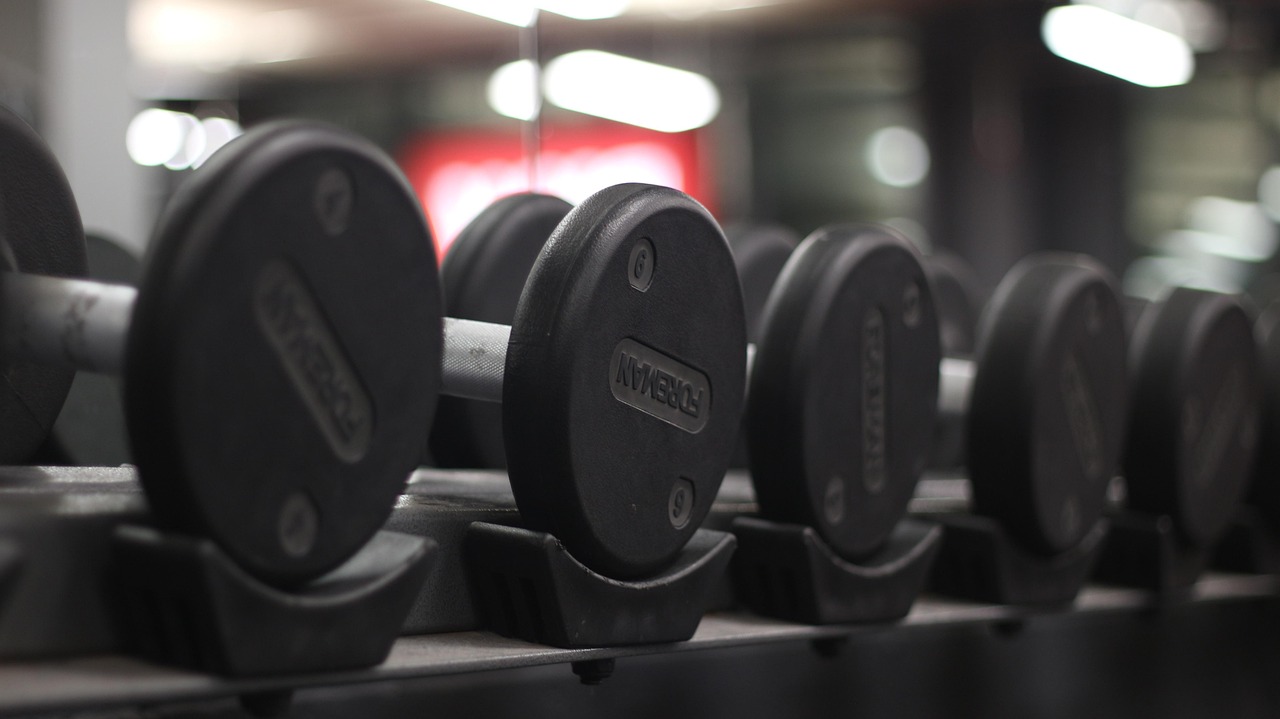

Why Cleaning Gym Equipment is Crucial for Health and Safety
The gym is a communal space where individuals come together to focus on fitness and health. It is essential for gym-goers to prioritize the cleaning of gym equipment to maintain hygiene and safety standards. Properly disinfected equipment not only protects the fitness enthusiasts from germs and bacteria but also fosters a healthier workout environment. During workouts, sweat and bodily fluids can accumulate on machines and surfaces, posing risks for infections. Regularly cleaning equipment can prevent the spread of pathogens. Furthermore, unclean machines are discouraging for new gym members who may perceive the environment as unsanitary. Establishing a culture of cleanliness plays a vital role in the reputation of any gym. Equipment cleaning leads to increased user satisfaction and trust in the facility. Additionally, when members take a few moments to wipe down equipment after use, it promotes personal responsibility and respect towards others. To ensure effective cleaning, facilities should provide disinfectant wipes and sprays along with instructions to educate members. This simple practice helps reinforce safer workouts for everyone.
Taking responsibility for equipment cleaning is beneficial not only for individual users but also for the entire gym community. Regularly cleaning machines enhances their lifespan and functionality. Dust and grime can cause wear and tear, leading to equipment malfunction. By maintaining a diligent cleaning routine, members can effectively contribute to the preservation of their gym resources. Furthermore, the importance of cleaning often goes overlooked. Without proper attention, surfaces can develop stubborn stains and odors that can become difficult to remove. Utilizing disinfectants along with a comprehensive cleaning strategy allows for bulk cleaning with minimal effort. Moreover, members should understand that cleaning is not just about surface aesthetics; it is a fundamental aspect of health safety. Reducing the risk of cross-contamination and illnesses should be a priority for everyone. Therefore, gym owners must encourage and reinforce a culture of cleanliness within their facilities. Regular reminders through signage or announcements can serve as proactive measures. Combatting the sedentary lifestyle through gym use requires a commitment to sanitary practices that must be embraced by all. Everyone in the gym community has a part to play.
Equally, gym cleanliness can positively impact the morale of everyone using the facility. A clean space not only boosts mental well-being but also motivates users to engage in their fitness journey with enthusiasm. Feeling safe and shielded from potential infections allows individuals to focus on their workouts rather than worrying about hygiene. Furthermore, having accessible cleaning supplies spreads awareness about the shared responsibility of maintaining cleanliness. Individuals need to understand that if every gym member took the initiative to clean up after themselves, it would transform the overall atmosphere significantly. Additionally, gym facilities should consider regular deep cleaning services to complement member efforts. Such services should ideally target hard-to-reach areas and often neglected surfaces to ensure comprehensive sanitation. This is particularly important post-pandemic, as many individuals remain conscious of their health and hygiene. The image of cleanliness creates a positive first impression for prospective members and can influence their decision to commit to a gym. Clean gyms are more likely to create a loyal customer base as individuals tend to form habits. Therefore, gym cleanliness becomes a pivotal aspect of member retention.
Impact of Clutter on Safety
In relation to gym safety, cleanliness also involves eliminating clutter that can lead to accidents and injuries. Gym facilities can take measures to ensure that equipment is placed properly and that pathways are unobstructed. When machines and free weights are left out of place, the risk of tripping increases exponentially. It is essential for everyone in the gym environment to be aware of their surroundings. Therefore, proper cleaning extends beyond wiping down machines. Organizing equipment and ensuring that all items are returned to their proper locations is essential for creating a safe space. Furthermore, signs and reminders encouraging members to store equipment properly can be beneficial. Spreading visible reminders about proper cleaning and organization allows for enhanced engagement among gym-goers. This approach not only improves safety but also cultivates an overall sense of respect within the community. Furthermore, consideration must also be given to outdoor gym spaces, where cleanliness can significantly affect safety. Regular inspections of outdoor equipment, removal of debris, and securing loose items are critical practices. A diligent focus on cleanliness should drive positive behaviors within every aspect of gym design.
Consistency in cleanliness practices remains crucial in reinforcing a culture of safety at the gym. Members should feel empowered to maintain the cleanliness and safety of the equipment. Encouraging a sense of ownership amongst gym-goers fosters accountability. Employees should emphasize the significance of this responsibility through engagement and participation. Group workouts that include warm-ups and cleaning sessions can contribute to building camaraderie while addressing hygiene. Furthermore, incentivizing clean habits through rewards or recognition programs can yield positive outcomes. Such initiatives highlight the importance of sanitation and community spirit. Feedback surveys can gauge how well cleanliness protocols are received within the facility. Constructive feedback allows gym management to adjust policies to meet the expectations of members. This creates a dynamic between members and gym leaders that encourages safety and hygiene as shared values. Moreover, when gyms enforce rules, it sets the tone for an informative and proactive approach to cleanliness. Education about the implications of hygiene must remain continuous. Workshops or orientation for new members can be effective in promoting responsible practices within the gym.
Conclusion: A Joint Responsibility
In conclusion, maintaining clean gym equipment is a fundamental aspect of fostering a safe and healthy workout environment. Collective responsibility among gym-goers and management ensures a sustainable culture where cleanliness and safety coexist. By taking the time to clean machines and spaces, members play an active role in safeguarding their health as well as that of others. Elevated health standards can be achieved collectively, primarily through consistent practices and awareness. It is imperative that gyms provide adequate resources for users to clean effectively. Furthermore, when confronting concerns or issues, open communication channels must remain available. Regular health campaigns reminding members of the need for cleanliness and safety matter significantly. A strong commitment to these practices reinforces a shared sense of responsibility towards gym hygiene. Regular assessments of cleaning supplies and their availability can lead to enhanced user compliance. Gym leaders should actively advocate for cleanliness policies and model those behaviors. Taking each step towards cleanliness is not just an act of courtesy; it enhances the overall experience and atmosphere within the gym. Everyone deserves to feel confident and successful in their fitness journeys.
Ultimately, the long-term success of any gym hinges on its ability to create a hygienic and safe environment for its members. The journey to better health starts with recognizing that cleanliness is not optional but essential. Through collective effort, gyms can be places where fitness thrives alongside safety. Future fitness enthusiasts are more likely to choose gyms that prioritize cleanliness and founder responsibility. In addition, clear protocols should be established to address concerns about cleanliness issues. Routine reminders about the importance of personal responsibility should be communicated frequently. With this consistent approach, gym cleanliness will naturally elevate the norms for all members. Additionally, encouraging feedback about sanitation can foster improvements and adapt practices. A clean gym environment attracts and retains members, creating a thriving fitness community. The benefits of investing in cleanliness extend far beyond aesthetics; they impact health outcomes and overall gym satisfaction. Establishing cleaning habits can instill a sense of pride and purpose. Ultimately, making cleanliness a fixture within gym culture leads to better experiences and health for everyone involved.
Ultimately, the long-term success of any gym hinges on its ability to create a hygienic and safe environment for its members. The journey to better health starts with recognizing that cleanliness is not optional but essential. Through collective effort, gyms can be places where fitness thrives alongside safety. Future fitness enthusiasts are more likely to choose gyms that prioritize cleanliness and founder responsibility. In addition, clear protocols should be established to address concerns about cleanliness issues. Routine reminders about the importance of personal responsibility should be communicated frequently. With this consistent approach, gym cleanliness will naturally elevate the norms for all members. Additionally, encouraging feedback about sanitation can foster improvements and adapt practices. A clean gym environment attracts and retains members, creating a thriving fitness community. The benefits of investing in cleanliness extend far beyond aesthetics; they impact health outcomes and overall gym satisfaction. Establishing cleaning habits can instill a sense of pride and purpose. Ultimately, making cleanliness a fixture within gym culture leads to better experiences and health for everyone involved.