
Warm-up Exercises Focused on Shoulders for Swimmers
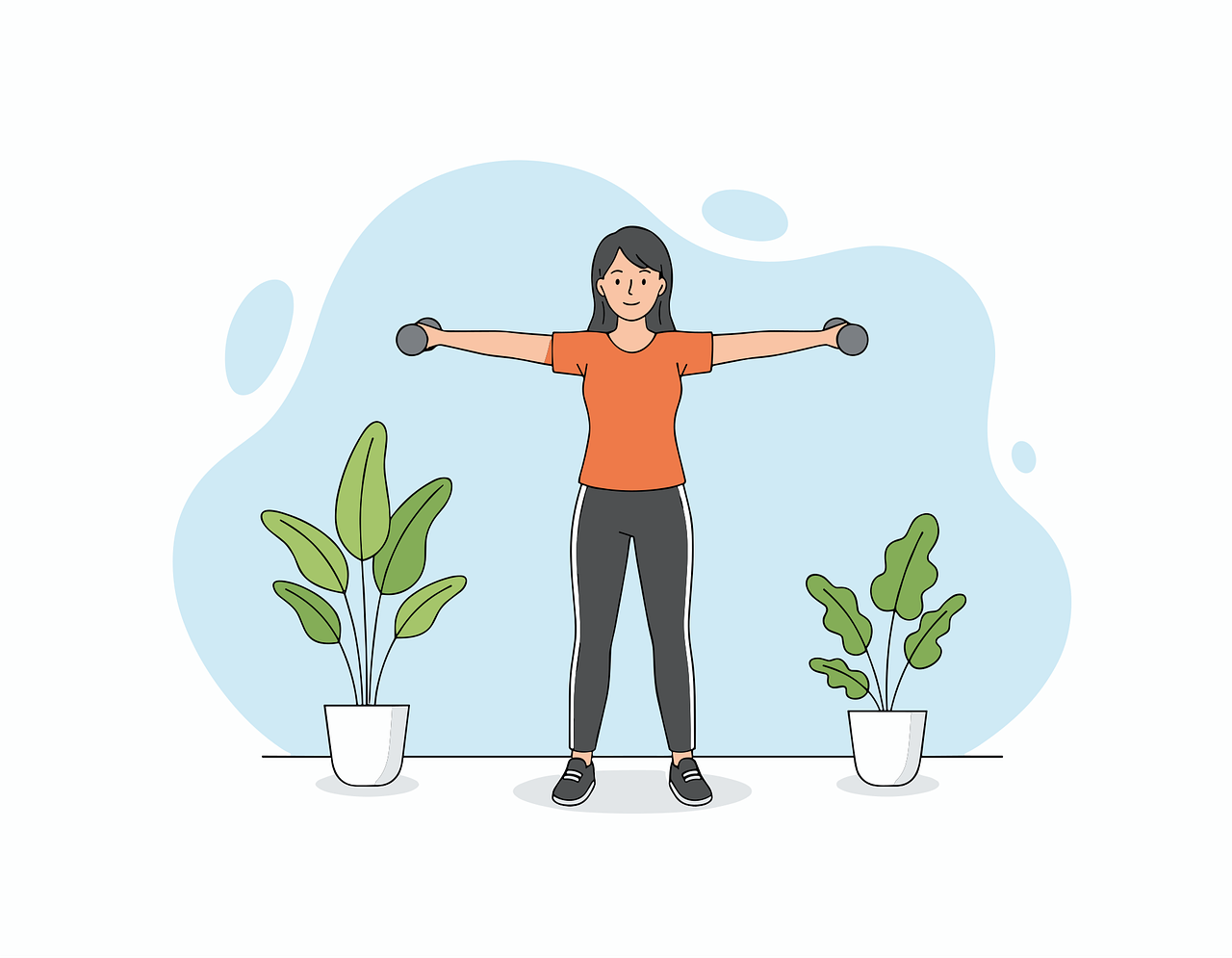
In swimming, proper warm-up exercises for shoulders are crucial. These exercises prepare the muscles for intensive activity, significantly reducing the risk of injury. One effective warm-up is the arm circles. Start by standing upright and extending your arms to your sides. Make small circles, gradually increasing their size. Continue for thirty seconds and then switch directions. This motion enhances flexibility and mobility in the shoulders. Another excellent warm-up is the shoulder shrug. Stand with arms by your sides and gently raise your shoulders towards your ears, holding for a few seconds before relaxing. Repeat this for at least ten repetitions. Additionally, wall angels are beneficial; stand against a wall while keeping your arms in a 90-degree angle and slide them upward and downward against the wall. Maintaining thorough communication with your coach can lead to improved warm-up routines specifically tailored for individual needs. Ensure you perform these exercises before each swimming practice or competition, preparing your shoulders efficiently. Always listen to your body during these exercises, making adjustments where necessary.
Dynamic stretches are vital for swimmers to warm up their shoulders effectively. These stretches are more beneficial than static stretches during pre-training sessions. A great starting dynamic stretch is the ‘cross-body arm stretch.’ To execute this stretch, extend one arm across your body and use the opposite arm to pull it gently. Hold for about fifteen seconds on each side. Performing band pull-aparts is another effective method; utilizing a resistance band, hold it at shoulder width and pull apart slowly. Complete three sets of ten repetitions to strengthen the shoulder muscles. Another dynamic move to incorporate is the ‘scapular push-up.’ This exercise requires you to keep your arms straight and manipulate only your shoulder blades, helping improve shoulder stability. Engaging in these dynamic exercises will elevate muscle temperature, promote blood flow, and provide better range of motion. Make sure to maintain proper form to maximize the effectiveness of each stretch and exercise. Also, consult with a swimming coach or physical therapist for personalized recommendations and adjustments to your approach, ensuring your workouts are unique to your needs.
Specific Shoulder Mobility Exercises
In addition to traditional warm-ups, specific mobility exercises focus on shoulder function. One popular drill is the ‘shoulder dislocation’ using a broomstick or resistance band. Grip the band with both hands about shoulder-width apart, and slowly raise it over your head and down your back. Repeat this for ten repetitions, which helps improve range of motion. Another excellent option is the ‘T-spine rotation; while in a tabletop position, thread one arm under your body, reaching across. This rotational movement stretches both the shoulders and thoracic spine, critical for swimmers. Use a foam roller on your upper back to release tension effectively. Roll out any tight areas for about five minutes before swimming. Consistent practice of these exercises is essential; add them to your pre-training routine. They can vastly enhance shoulder flexibility, power, and overall swimming efficiency. Coupling these exercises with other warm-ups discussed will significantly benefit your swimming performance. Stay consistent and keep a log of your progress to see improvements. Good communication with a swimming coach can help refine these exercises over time.
Cool-down exercises following swimming are as crucial as warm-ups. Gradual recovery helps the shoulders and overall body transition after intense swimming sessions. Focus on passive stretches, particularly for the shoulder muscles used during swimming strokes. The ‘overhead tricep stretch’ is effective; by bringing one arm overhead and bending the elbow, provide a gentle stretch to the triceps and shoulders. Hold this position for about twenty seconds before switching sides. Another excellent stretch is the ‘child’s pose,’ where you sit back on your heels and reach forward with your arms, providing a great stretch for your shoulders and back. Incorporating neck stretches is also vital; gently tilt your head side to side, holding each tilt for around fifteen seconds. These stretches improve flexibility and help with muscle recovery. After your swim, take the time to focus on hydration and nutrition, allowing for proper recovery facilitating muscle repair and growth. Reassessing your cool-down routine regularly ensures that it meets your changing needs as you progress in your training. Emphasizing post-workout recovery will lead to enhanced long-term performance.
Tips for Effective Warm-up and Cool-down
To maximize the benefits of your warm-up and cool-down routines, consistency is key. Developing a structured routine enables your body to adapt better over time. At the beginning of each swim practice, allocate at least fifteen minutes for warming up your shoulders, ensuring you engage all necessary muscles. Incorporate both dynamic movements recommended earlier and mobility exercises to prepare adequately for demands in the pool. Similarly, your cool-down should last around the same duration. Monitor how your body responds to different exercises, tweaking your routine as necessary. Implementing breath control during your warm-up enhances focus and prepares you mentally for swimming. Remember, the overarching goal is to enhance your performance while minimizing injury risks. Keep a journal to track your warm-up and cool-down sessions to identify what works best for you. If you feel pain during any warm-up or cool-down exercise, consult a professional for guidance. Tailor these tips to not only fit specific events or training but also your personal comfort levels as an athlete. Staying flexible with your routine can lead to great improvements in your swimming technique.
It’s essential to combine your warm-up techniques with proper body mechanics during swimming. Focus on optimizing your body position and hand entry technique during strokes, as these areas heavily engage shoulder muscles. Incorporating drills that emphasize these aspects into your warm-up can expose weak areas needing attention. Common drills like the ‘zipper drill’ can aid in promoting a more efficient stroke while keeping shoulders healthy. This drill involves swimming with just one arm while keeping the other arm close to your body as if zipping a jacket. Integrating proper hand entry and recovery should also be part of your swimming regimen, as this sets the tone for effective performance. Emphasizing coordination between warm-ups and stroke mechanics ensures that you swim more efficiently while reducing stress on the shoulders. Communicating with your coach on this synchronization can help identify any mistakes or areas that need refining. Regularly practicing these synchronized drills in your warm-up can lead to improved performance and reduced fatigue. Listen to your body, and make adjustments for optimal results in training and competition.
Final Thoughts on Shoulder Maintenance
Proper management for shoulders in swimming is a continuous process, underscoring the importance of ongoing evaluation of your warm-up and cool-down routines. Stay informed on advancements in shoulder care, such as conditioning programs or new stretches, being sure to maintain flexibility and strength throughout your swimming journey. Explore integrating techniques including resistance training focusing on shoulder stability alongside traditional swimming workouts. Listening to feedback from your body will help promote recovery and prevent potential injuries. If an injury does occur, consult a healthcare professional for appropriate advice on rehabilitation. Shoulders are instrumental for swimmers; proper care is vital to sustain performance over time. Incorporate video analysis of your strokes to observe shoulder engagement, informing necessary adjustments. This combined approach of physical training and technique will lead to improved overall performance. Commit to your warm-up and cool-down rituals, making them a priority in your swimming routine to develop long-lasting skills and endurance. By performing these exercises regularly, your swimming experience will transform positively, allowing you to enjoy this sport while reaching your desired goals.
Taking care of your shoulders with proper warm-up and cool-down routines allows swimmers to maintain peak performance. These exercises empower athletes to enjoy swimming throughout their careers while minimizing injury risks. Through consistent practice of effective warm-up exercises such as arm circles, shoulder shrugs, and mobility drills, swimmers cultivate strength and flexibility. As a result, your imminent swimming practices will be more efficient, giving you an edge competitively. Engaging in cooling exercises after swimming reinforces the muscles, contributing to a smoother recovery process to alleviate soreness. Remember, specific dynamic stretches and stable positioning in the water create the foundation for effective swimming. As you progress in your swimming journey, continue refining these exercises to maintain peak performance. Keep in mind that each swimmer’s needs are unique, necessitating tailored approaches to warm-up routines. Besides focusing on training, prioritize nutrition and hydration to support your recovery and enhance performance consistently. Consider discussing any challenges you face with a coach or therapist to ensure optimal results. With attention on these aspects, swimmers can look forward to a lifetime of success in their chosen sport.