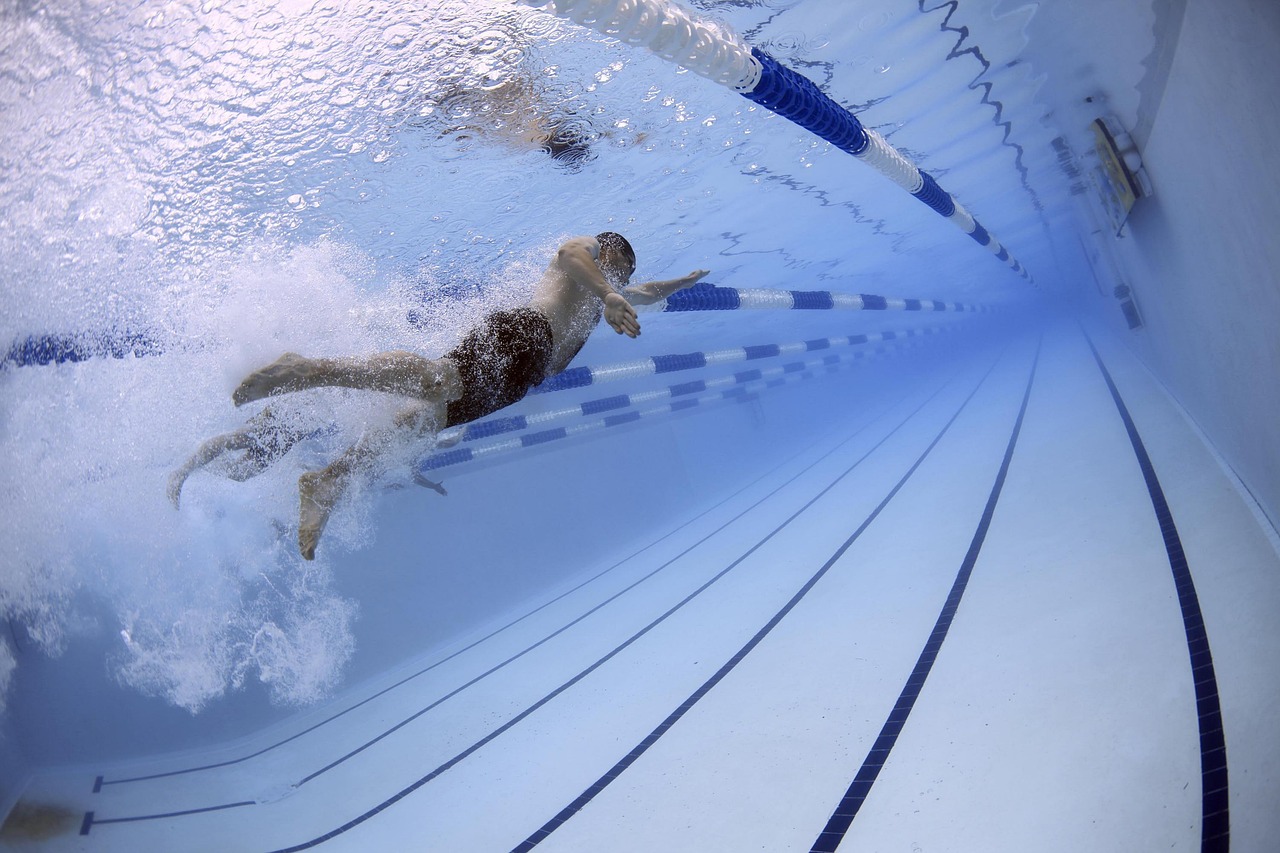

The Impact of Swimming Competitions on Fitness and Life
Swimming competitions have significantly shaped the physical and mental aspects of a participant’s life. Engaging in these events not only enhances physical fitness but also fosters teamwork and discipline. Athletes participating in competitions often experience increased motivation, pushing them beyond their limits to achieve personal bests. Regular training prepares swimmers for intense competition, leading to improved strength, endurance, and technique. Additionally, they learn to manage stress effectively under pressure, which translates into everyday life. The social interactions during competitions cultivate friendships and networking opportunities, enriching athletes socially and emotionally. Moreover, swimming as a competitive sport serves to promote overall health and wellbeing, reducing the risk of chronic diseases through consistent physical activity. With various strokes to master and events to enter, swimmers gain expertise and experience which boosts their confidence both in and out of the water. Ultimately, swimming competitions become a source of pride, illustrating hard work and dedication to personal goals, enhancing not only health but the general quality of life for competitors. In this way, swimming shapes more than just physical fitness; it develops life skills and personal growth over time.
Building Community through Swimming Events
Beyond the individual experience, swimming competitions create a vibrant community that unites diverse participants. These events bring together spectators, families, coaches, and swimmers from various backgrounds, fostering a sense of belonging. The excitement of watching races inspires young viewers to engage in the sport, while parents and families form bonds over shared support. The shared experience creates memories during competitions, with friends cheering each other on as they conquer the challenges of each race. This environment promotes inclusivity, as pools become melting pots of cultures and experiences, enhancing camaraderie through shared endeavors. Local events often raise awareness for important causes, building a sense of purpose among participants. Volunteer opportunities arise during competitions, thus creating pathways for involvement and community service. Swimmers frequently return to mentor young athletes, reinforcing the culture of support. With championships and relays, the community spirit is fostered, encouraging future generations to participate in swimming. Consequently, swimming events serve as hubs for unity, ensuring swimmers not only compete but connect, ultimately leading to a more enriching experience for all involved. The sense of achievement is further amplified by this community connection, making each competition truly special.
The development of skills in swimming competitions enhances various attributes in athletes. Swimmers invest time mastering techniques and refining their strokes, resulting in better performances over time. This continuous improvement fosters a commitment to excellence, pushing athletes to pursue higher levels of competition. Goal-setting plays a crucial role in this journey, with swimmers aiming for personal records or qualifying times for prestigious meets. The thrill of competition drives motivation, but it also helps swimmers develop resilience and a growth mindset. Coping with failure becomes part of the learning process, teaching athletes to bounce back stronger. Furthermore, swimming instills strong time management skills as training schedules must coincide with academic or professional responsibilities. Athletes learn to prioritize and balance their commitments efficiently. Competitions serve not only as a testing ground for these skills but also as opportunities to showcase their dedication and hard work. They provide valuable feedback through race outcomes that can inform future training sessions. Engaging in competitions consistently results in improved performance metrics, allowing athletes to track their progress over time and fostering immense personal satisfaction.
One essential benefit stemming from being part of the swimming competition scene is enhanced physical health. Regular participation in swimming improves cardiovascular fitness, muscular strength, and flexibility. The low-impact nature of swimming alleviates stress on joints, making it an ideal exercise for individuals of all ages and abilities. Furthermore, as swimmers train and compete, they engage in calorie-burning activities, supporting weight management and body composition. Improvements in lung capacity and overall endurance can lead to long-term fitness benefits which contribute to an individual’s quality of life. The cardiovascular conditioning gained through swimming allows for a robust immune response, reducing illness and promoting longevity. Additionally, consistent swimmers often report heightened energy levels and improved mental clarity, enhancing their daily performance in various areas of life. This domain of physical fitness also promotes mental health, where the release of endorphins during exercise stimulates feelings of happiness, combating anxiety and stress. Thus, swimming competitions not only build competitive spirit but also lay the foundation for a healthier lifestyle. Engaging regularly transforms athletes, enabling them to thrive physically, mentally, and socially, leading to an enriched existence.
The Role of Coaching in Competitions
A vital component of the success seen in swimming competitions is the influence of coaching. Coaches propel swimmers toward their full potential through dedicated training programs. They assess performances, offering constructive feedback that allows athletes to fine-tune their techniques. Close guidance ensures that swimmers are well-prepared physically and mentally to tackle competition pressures. Coaches help swimmers set realistic yet challenging goals, incrementally advancing their skill levels without overwhelming them. Furthermore, the mentor-mentee relationship fosters a supportive environment where athletes can thrive. Experienced coaches instill discipline, responsibility, and resilience in their athletes, key traits that facilitate success in both swimming and life. This relationship often extends beyond training, offering emotional support during tough times, which is invaluable for youth and novice competitors. Coaches also play a role in instilling a sense of sportsmanship in swimmers, reminding them of the values of respect and perseverance. Their mentorship is crucial during competitions, helping to build confidence as they navigate the stress and excitement of racing. Together, the coach and swimmer form an integral partnership that elevates performances, solidifying the essential role of coaching within the realm of swimming competitions.
Another significant aspect of swimming competitions is how they inspire personal and professional relationships. Many lifelong friendships are forged through the shared experiences of competing together, swimming alongside teammates, and supporting one another during events. These relationships often extend beyond the pool, creating a network of individuals who understand the demands of a training regime. The camaraderie developed through joint struggles fosters unity, encouraging athletes to collaborate and lift each other’s spirits. Emotional support is crucial when tackling the pressures associated with competition, and these bonds help swimmers to thrive even in challenging circumstances. Furthermore, alumni of swim teams frequently maintain connections long after their competitive days have ended, attending events and supporting others. Many find mentoring roles fulfilling, continuing a tradition of partnership between experienced swimmers and newcomers. Competitions also provoke a healthy level of rivalries, which challenge athletes to improve and drive one another to excel. These interactions ultimately lay the groundwork for a lifetime of friendships and mentorships that positively influence a swimmer’s life journey.
Swimming competitions impact participants significantly, illustrating the balance between competition and personal growth. Athletes gain immense satisfaction from competing, which fosters self-esteem, ambition, and accountability as they work towards personal goals. Successes, whether big or small, serve as motivators to strive for excellence in all aspects of their lives. The discipline and determination developed through rigorous training prepare swimmers to face challenges head-on, enriching their character and life experiences. Additionally, the confidence built in the pool can lead to increased self-worth, enabling athletes to take on new challenges outside of swimming. The instructional elements of coaching teach teamwork, commitment, and goal-setting; principles that can apply in various situations beyond sports. Competitors learn to navigate victory with humility while graciously accepting defeat, teaching essential lessons of resilience. As these experiences accumulate, swimmers are equipped with a robust skill set that influences their future endeavors, whether in education, career, or personal relationships. Ultimately, the holistic development facilitated by swimming competitions ensures that participants emerge not only as athletes but as well-rounded individuals prepared to tackle life’s challenges, creating a ripple effect that extends far beyond the pool.
The positive impacts of swimming competitions extend into mental health benefits, emphasizing the connection between physical activity and emotional well-being. Swimming, particularly in a competitive environment, encourages a sense of accomplishment that contributes significantly to mental clarity. Athletes often report reduced anxiety levels due to the focus required during training and competing, bringing a sense of mindfulness. This engagement helps participants escape everyday stressors, providing a mental reset through concentration on performance. The challenges faced during competitions serve as lessons in perseverance and determination, promoting a positive mindset. Moreover, these competitions foster a supportive environment where camaraderie among peers provides needed encouragement and stability. Regular participation also promotes routine and structure, which is essential for maintaining mental health. The benefits see individuals develop coping strategies dealing with adversity, leading to strong character formation. Engaging in swimming events encourages the release of endorphins, which are linked to feelings of happiness and relaxation. Consequently, the mental health pillars built through swimming competitions positively influence relationships, daily interactions, and overall satisfaction with life, showcasing the profound impact competitions impart on holistic wellness as athletes strive for personal goals.