
The Impact of Stress Management on Athletic Recovery
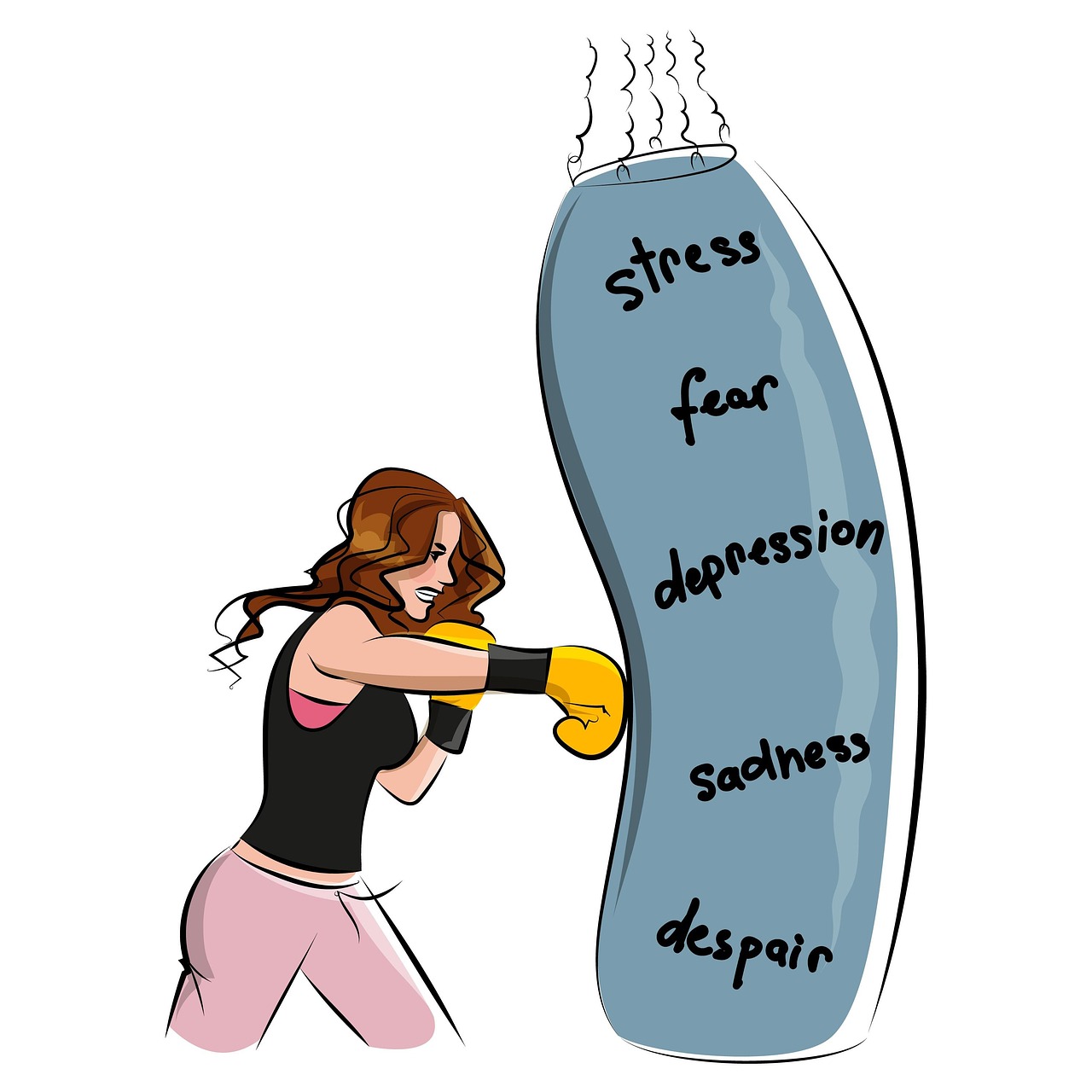
Stress management plays a crucial role in athletic recovery, as effective techniques can significantly enhance an athlete’s performance and health. The body undergoes physical and psychological stress, especially when engaging in rigorous training or competition. Understanding how stress affects recovery processes is essential. Athletes often face anxiety and pressure, leading to poor recovery if not managed properly. Effective methods such as meditation, deep breathing, and mindfulness can mitigate these effects. Utilizing these practices fosters relaxation and gives the mind a break. This approach allows the body to repair and strengthen itself effectively. Furthermore, stress management techniques can lower cortisol levels, the hormone responsible for stress. High cortisol may impede recovery, leading to muscle soreness and fatigue. By focusing on reducing stress, athletes can facilitate muscle repair and growth. In addition to physical recovery, mental resilience strengthens as stress management promotes positive attitudes towards challenges. A comprehensive plan that integrates physical training and mental techniques ensures balanced development. Therefore, athletes should consider stress management a vital element in their overall recovery protocols, leading to enhanced performance and longevity in their sports careers.
Recovery encompasses various dimensions, including physical treatment and psychological care. Understanding how stress impacts both aspects is vital for creating effective recovery strategies. Athletes often face emotional high-stakes scenarios, which can influence their performance. Stress-related fatigue can prevent athletes from achieving peak performance. Psychological techniques such as visualization can help athletes envision their success by focusing on positive outcomes. Techniques like yoga also combine physical and mental benefits, aiding in the recovery process. Regular practice can lead to improved flexibility and tension reduction, promoting overall wellness. Moreover, peer support is invaluable; encouraging open communication among teammates provides a sense of community. By sharing struggles and successes, athletes develop stronger bonds and collective resilience against stress. Nutrition also plays a role in recovery, where a well-balanced diet can buffer the effects of stress. Nutrients like omega-3 fatty acids, found in fish and nuts, have been linked to lower stress levels. Hydration is equally essential, as dehydration can exacerbate fatigue, further hampering recovery. Thus, integrating stress management with physical recovery practices can create a holistic approach.
Mindfulness and Relaxation Techniques
Mindfulness practices, including meditation and progressive muscle relaxation, significantly enhance recovery by reducing stress levels. These techniques allow athletes to focus fully on their physical state, leading to a more profound sense of awareness. Engaging in progressive muscle relaxation helps athletes release tension and improve muscle recovery by consciously relaxing different muscle groups. Additionally, studies indicate that mindfulness can have a positive impact on athletic performance by improving concentration and emotional regulation. Athletes can foster a more favorable mental environment for recovery through consistent practice. Incorporating mindful breaks into training schedules allows athletes to recharge mentally. Practical mindfulness techniques can be as simple as focusing on breathwork during breaks. Techniques such as these not only contribute to muscular recovery but also reinforce mental toughness. Enhanced focus on breathing can decrease anxiety levels, leading to improved recovery times. Regularly practicing mindfulness techniques ultimately cultivates a balanced mindset, which complements physical training. Furthermore, cultivating a feedback loop between mind and body ensures that athletes remain in tune with their needs for optimal recovery. Thus, athletes should prioritize integrating mindfulness into their daily regimen.
Another effective method for managing stress is engaging in regular physical activity outside the sport. Various enjoyable activities, such as swimming, biking, or hiking, can relieve stress while allowing athletes to maintain fitness without the intensity of their sport. This cross-training emphasizes overall fitness but also breaks the monotony of rigorous training schedules. Engaging in alternative activities provides a mental reset, encouraging a fresh perspective on training and competitions. Moreover, connections in nature have been associated with lowering stress hormones, fostering a sense of calm and rejuvenation. Engaging in social sports promotes camaraderie, which creates a support network that can help alleviate stress. Athletes can share their experiences and seek advice or motivation from peers. Implementing structured rest days into training regimens is also crucial. These intentional pauses allow the body to recover adequately and mentally reset. Recovery does not solely consist of physical inactivity but embraces all dimensions of health. Therefore, incorporating fun activities and rest days into training schedules leads to more effective recovery and long-term athletic success. Awareness of the importance of mental health is crucial for athletes striving for peak performance.
The Role of Sleep in Recovery
Undoubtedly, sleep plays a vital role in recovery, especially regarding stress management. Quality sleep enhances the body’s recovery abilities, which is crucial for athletes involved in intense training. During sleep, the body undergoes numerous restorative processes, including muscle repair and hormonal regulation. Establishing a proper sleep routine can significantly enhance both physical and mental recovery. Athletes should prioritize 7 to 9 hours of sleep per night to optimize performance. Sleep deprivation, on the other hand, can significantly heighten stress levels and increase the risk of injuries. Athletes should limit screen time before bed as blue light exposure can interfere with sleep cycles. Creating a conducive sleep environment, such as maintaining a dark and quiet bedroom, also proves beneficial. Implementing relaxation techniques prior to sleep, such as reading or light stretching, can usher in a calm state conducive to rest. Additionally, athletes should pay attention to nutrition at dinner, opting for light meals that promote restful sleep rather than heavy, rich foods that disrupt it. Sleep hygiene should be factored into every athlete’s recovery plan, ensuring they approach recovery holistically.
Stress management and social support are vital components of recovery. Establishing and maintaining healthy relationships within the sports community can help athletes navigate the challenges they face. Coaches and teammates play essential roles in providing encouragement during tough times. Open lines of communication can foster positive relationships, creating an environment where athletes feel supported. Engaging in team-building activities outside sport can enhance these relationships. These shared experiences encourage emotional bonding, which significantly impacts mental resilience. Athletes should also seek professional support when required, such as consultations with sports psychologists. Seeking external help can lead to improved mental health and recovery outcomes. Participating in group recovery sessions, such as yoga or meditation classes, also offers social interaction while promoting relaxation. Connecting with family and friends outside of sports helps provide balance and emotional support during intense training periods. Thus, cultivating these relationships aids in managing stress effectively. This holistic approach to recovery fosters improved performance outcomes and promotes overall well-being. Athletes must understand the value of both mental and social aspects as they work towards their goals.
Implementing Stress Management Strategies
Integrating stress management techniques into daily routines should be a priority for athletes aiming for optimal recovery. Establishing a structured schedule that includes both physical and mental training is vital for success. Setting realistic goals that incorporate stress management practices fosters a sense of accomplishment and motivation. Athletes should create an action plan integrating various stress management techniques, including mindfulness, relaxation, and physical activity. This plan should be flexible, allowing athletes to adapt based on their needs and circumstances. Regular check-ins on their mental well-being can further enhance resilience and recovery. Additionally, athletes must assess the effectiveness of their strategies, adapting as needed to maintain optimal performance. Participating in workshops or nutrition seminars focusing on stress management can also expand an athlete’s resource base. This education empowers them to enhance their approach to recovery effectively. Ensuring access to resources such as meditation apps or professional coaches can further solidify their commitment. By proactively addressing stress through structured plans, athletes cultivate resilience and enhance overall performance outcomes, positioning them for success both on and off the field.
The synergy between stress management and recovery illustrates the holistic nature of athletic performance. By recognizing the multifaceted elements contributing to successful recovery, athletes can adopt a more comprehensive approach. Emphasizing mental health alongside physical training creates a well-rounded foundation for achieving peak performance while minimizing risks associated with stress. The knowledge of the integral role of stress management ensures athletes can harness their full potential, focusing on long-term health and success in their athletic careers. Success is not solely defined by victories or personal bests but also by the athlete’s mental and emotional wellness. A balanced recovery strategy equips athletes with the tools necessary to thrive, ensuring they remain prepared to confront challenges with resilience and confidence. Incorporating a combination of physical exercise, mental techniques, and strong social support will ultimately enhance recovery processes. Thriving in a supportive environment nurtures the resilience necessary to excel in competitive scenarios. By continually refining their recovery practices in line with stress management, athletes pave the way for sustained excellence. Thus, taking a holistic approach greatly influences the trajectory of an athlete’s journey, providing insight into these critical components in achieving success.