
Managing Acne Through Hormonal Balance
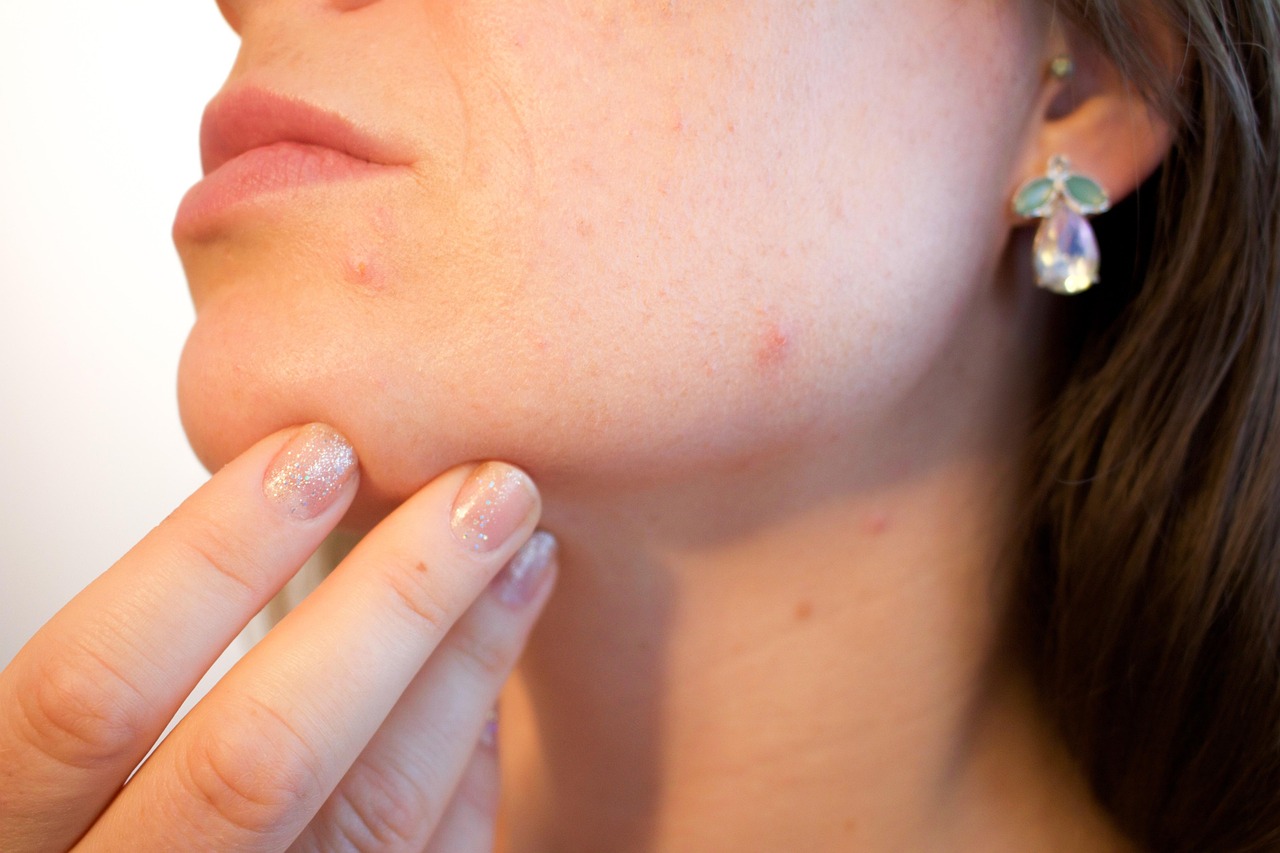
Acne is a prevalent skin condition that affects many individuals, often linked to hormonal fluctuations during various life stages. Hormones like androgens, estrogens, and progesterone play vital roles in regulating oil production in our skin. An imbalance in these hormones can lead to increased sebum production, clogged pores, and ultimately, acne formation. Stress, dietary choices, and certain medications also contribute significantly to hormonal imbalances, exacerbating acne severity. Understanding your hormonal health is crucial in managing and preventing acne breakouts, and it requires a comprehensive approach that includes lifestyle adjustments, diet modifications, and potentially medical intervention. Seeking advice from healthcare professionals can help tailor a plan that addresses acne at its hormonal level, ensuring a holistic and effective approach. Keeping track of changes in skin condition and hormonal levels in a journal can provide insights into triggers and patterns that influence acne flare-ups. Furthermore, educating yourself about hormonal health can empower you to make informed choices that positively impact your skin. Aiming for balance is essential, as neglecting hormonal aspects of skin health may stall progress in treating acne effectively.
Understanding Hormonal Imbalances
Hormonal imbalances occur due to various factors, including metabolic changes, stress, and lifestyle choices. In women, conditions like polycystic ovary syndrome (PCOS) are known to cause androgen imbalances, directly linking them to acne. Men may also experience fluctuations in testosterone, which can trigger similar skin issues. Moreover, during puberty, hormonal changes often lead to increased oil production, a known risk factor for developing acne. Recognizing how hormonal fluctuations sync with your body’s biological clock can greatly aid acne treatment strategies. Keeping a close eye on menstrual cycles can help women identify periods where breakouts are likely to occur, so they can take preventive measures. Similarly, observing life events that induce stress can help pinpoint more profound hormonal shifts. Furthermore, blood tests can reveal hormonal levels, helping to identify specific imbalances contributing to skin issues. By taking the time to understand your unique hormonal patterns, a tailored skincare plan can be developed that addresses these variations effectively. Partnering with a dermatologist can lead to customized treatments aimed at restoring hormonal balance and achieving clearer skin.
Diet plays a critical role in maintaining hormonal balance and, by extension, healthy skin. Consuming a diet low in refined sugars and rich in whole foods can reduce insulin spikes, a known trigger for acne. Focusing on whole grains, lean proteins, healthy fats, and plenty of fruits and vegetables can stabilize hormones effectively. Omega-3 fatty acids, commonly found in fish, nuts, and flaxseeds, have anti-inflammatory properties that help reduce acne. Moreover, keeping adequately hydrated by drinking ample water will aid in detoxifying your body and improving skin health overall. Foods rich in zinc, such as pumpkin seeds and chickpeas, can accelerate healing from inflammation associated with acne. Additionally, regulating dairy intake might be essential for some individuals, as dairy products can exacerbate acne in sensitive people. Incorporating probiotics through fermented foods is also beneficial, as they support gut health and can influence hormonal levels. Navigating dietary choices thoughtfully can significantly impact acne management, therefore it is essential to approach food with intent and awareness.
Incorporating regular physical activity into your lifestyle can have positive effects on hormonal balance and skin health. Exercise helps to reduce stress by lowering cortisol levels, a hormone that can trigger acne flare-ups. It also enhances circulation, which promotes nutrient delivery to the skin, resulting in a healthier complexion. Engaging in aerobic exercises, strength training, and even yoga can significantly improve hormonal dynamics. Aim for at least 30 minutes of moderate activity most days to reap continuous benefits. Furthermore, establishing a consistent sleep schedule—aiming for seven to nine hours each night—can enhance your body’s hormonal regulation and skin recovery processes overall. Recognizing the link between quality sleep and improved mood can aid in reducing stress and, consequently, the hormonal impact on skin health. Creating a relaxing bedtime routine can enhance sleep quality, facilitating better hormonal and skin health. Identify stress management techniques like mindfulness and meditation, as these will remain essential in achieving hormonal balance. Creating room for consistency in lifestyle habits can support effective acne management while enhancing overall wellbeing.
The Role of Skincare Products
Choosing the right skincare products is crucial in managing acne linked to hormonal fluctuations. Non-comedogenic skincare formulas will not clog pores and should be prioritized. Ingredients such as salicylic acid and benzoyl peroxide help reduce inflammation and acne effectively. Furthermore, incorporating topical retinoids can help regulate oil production and promote skin cell turnover, preventing clogged pores that can contribute to acne. When selecting products, consider those that contain gentle, natural ingredients suited for sensitive skin. Overusing harsh products may exacerbate acne conditions by irritating the skin. Additionally, exfoliating regularly can help remove dead skin cells and prevent pore blockages; however, this must be done gently. Double cleansing may also be beneficial, especially after wearing makeup or sunscreen. Hydrating products, including lightweight moisturizers, should not be overlooked, as they keep the skin balanced and help minimize irritation. Before introducing new products, patch testing for allergens is recommended to prevent adverse reactions. Skincare should be a support tool in the fight against hormonal acne.
Consultation with healthcare professionals, such as dermatologists or endocrinologists, can be invaluable in tackling hormonal acne. Seeking professional advice can help identify specific hormonal imbalances fueling your skin issues. With a proper assessment, targeted treatments like hormonal therapy may be suggested. In some cases, medications that regulate hormones can be beneficial in restoring balance and reducing acne severity. Additionally, they will often prescribe treatments tailored to your unique hormonal profile and skin type. Understanding the underlying causes of hormonal acne makes treatment more effective and sustainable. Also, consider discussing supplements that may aid in hormonal health, such as vitamin D, omega-3s, and zinc. Regular follow-ups with your dermatologist can help track progress and make adjustments to your regimen as necessary. This extra support can significantly impact your journey towards clearer skin. Keeping an open dialogue about your skin condition will help empower you and maintain manageable routines for both skincare and hormonal health. It’s crucial to be patient, as visible results from treatments may take time, but consistent care will eventually lead to improvement.
In conclusion, managing hormonal acne involves a multi-faceted approach that takes into account dietary, lifestyle, and skincare factors. Recognizing the interplay of hormones will empower you to take actionable steps towards improving your skin. Integrating exercise, a balanced diet, and proper skincare routines will lay a strong foundation for hormonal restoration. Additionally, collaborating with healthcare professionals ensures that targeted efforts are made, delivering more comprehensive solutions tailored to your needs. Keeping track of personal patterns regarding hormonal health can enhance your understanding, leading to better management skills. Making gradual but consistent changes will likely yield long-term results in skin clarity. Take the time to understand your body and how hormones affect both skin and overall health. With perseverance and dedication, you can pave the way toward achieving and maintaining clear skin while nurturing your overall well-being. Remember, hormonal health is integral to not just skin health but overall quality of life. With a united approach and continuous efforts, a clearer complexion and improved self-confidence will likely follow, encouraging a positive mindset.
For helpful resources on managing acne and hormonal balance, consider exploring reputable articles and recommendations online. Always ensure the source is credible and offers research-backed information. Educational materials can offer profound insights into understanding the connections between hormones and skin health. Joining forums may provide support through shared experiences, and tips from others facing similar issues can foster a sense of community. Don’t hesitate to discuss findings or new products with a healthcare provider to verify suitability for your situation. Connecting with others can be incredibly motivating and empowering in your journey toward achieving acne-free skin. Using platforms to educate yourself further will enhance your ability to manage hormonal skincare effectively. Start documenting your findings to identify which methods resonate most with your personal experience. The world of acne management through hormonal balance is vast and requires a dedicated investigation. The more informed you are, the better you’ll navigate your skincare challenges and feelings of self-acceptance in the process. Remember, persistence through informed choices can lead to lasting improvements, positively influencing both skin and confidence.