
Incorporating Yoga and Pilates for Stronger Ankles
Injuries related to ankle sprains are common, especially in sports. Yet, the process of prevention can be greatly enhanced through methods like yoga and Pilates. These practices not only improve balance and flexibility but also strengthen the muscles surrounding the ankle. By engaging both the small stabilizing muscles and larger muscle groups, we can reduce the risk of sprains effectively. Yoga offers poses that promote joint stability, while Pilates focuses on core strength, essential for overall stability. Integrating these practices into your routine also enhances proprioception, which is your body’s ability to sense its position. This awareness directly contributes to a reduced likelihood of re-injury. In this way, developing a strong base through yoga and Pilates leads to healthier ankle joints. Additionally, practicing these techniques prepares athletes for the dynamic movements encountered in their sports activities. As one dedicates time to these practices, it becomes possible to grow not only stronger but also more resilient against injuries. Consider exploring local classes or online instructions that focus on the integration of these modalities. Finding the right guidance can help ensure the proper alignment and techniques are utilized to maximize benefits.
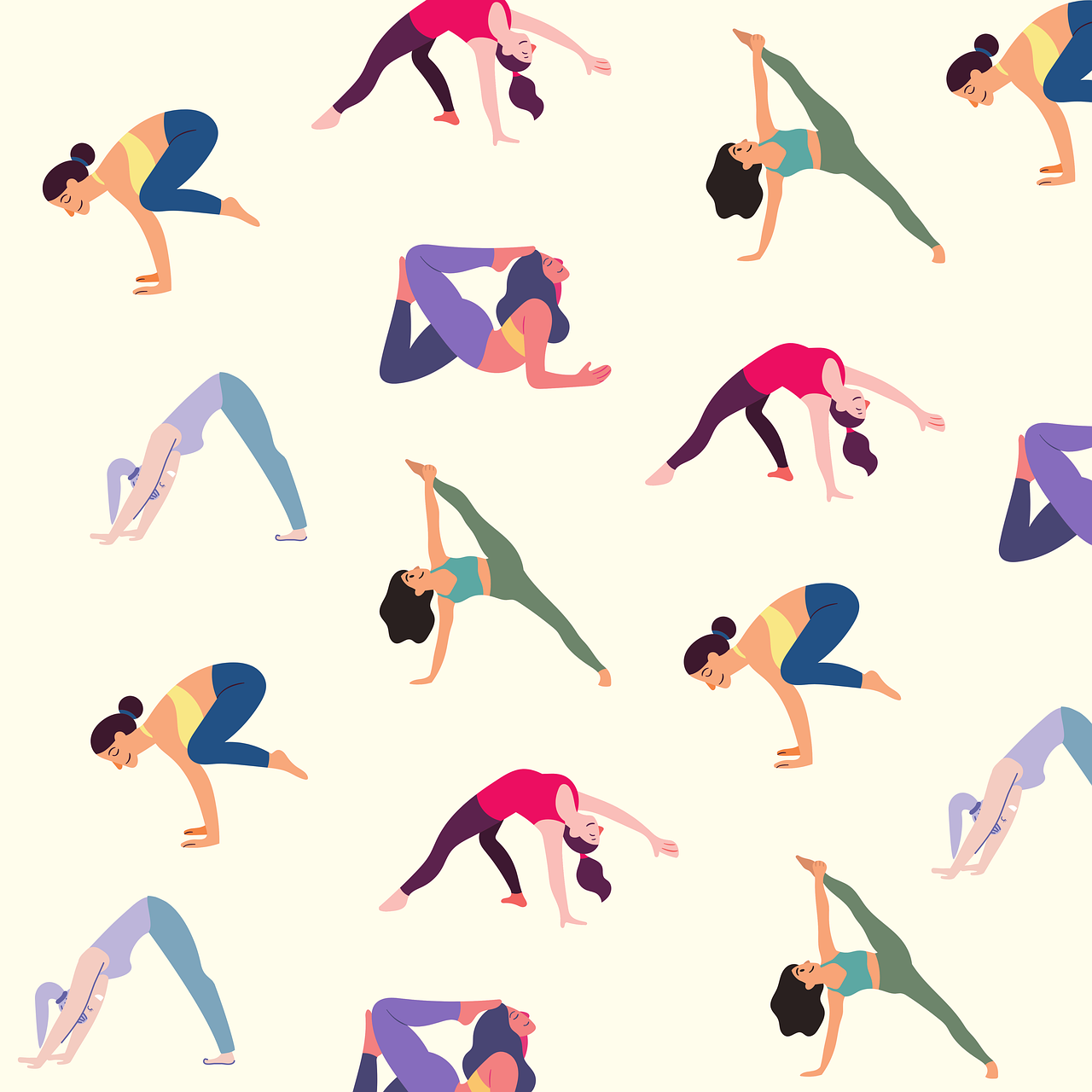
Yoga incorporates a variety of poses that specifically target the ankles, enhancing mobility and strength. Poses like the Warrior series and Tree pose challenge balance while engaging the ankle’s stabilizing muscles. These poses, when practiced regularly, contribute to joint health by increasing blood circulation. This increased flow of blood facilitates healing and nutrient distribution to the ankle region, promoting recovery from earlier injuries. Furthermore, the mindfulness aspect of yoga encourages awareness of body alignment and movements. This holistic awareness can prevent careless actions that may lead to sprains. On the other hand, Pilates emphasizes controlled movements that align the body accurately. Pilates’ focus on strength training helps develop the supportive musculature around the ankle joint. The use of equipment, like the reformer, enhances muscular engagement during exercises, leading to improved strength outcomes. By following a structured routine that includes both yoga and Pilates, individuals can complement their fitness regimens effectively. Additionally, strengthening the feet through foot-specific exercises can further improve ankle stability. Integrating both disciplines also aids in reducing tension, improving overall physical performance.
Benefits of Flexibility in Ankle Health
One crucial aspect of preventing ankle sprains is flexibility, which can be enhanced through yoga and Pilates. Flexibility plays a critical role in allowing the ankle joints and surrounding muscles to adapt during sudden movements. Tight muscles increase the risk of strains and sprains, making them more susceptible to injuries. Programs like yoga include several stretches within their flows that target the calf muscles, hamstrings, and Achilles tendon. These stretches allow an increased range of motion which is essential for athletes and recreational enthusiasts alike. Similarly, Pilates offers specific stretching routines designed to enhance flexibility while building strength. Regular practice enables better functional movement during sports activities, reducing the likelihood of sustaining an ankle injury. Furthermore, improved flexibility allows individuals to execute various movements with greater ease and precision, essential factors in athletic performance. Notably, developing a stretching routine can be beneficial not only before but also after workouts. Practicing stretches consistently ensures that the muscles do not become overly tight as one engages in physical activities. Implementing flexibility training into your routine thus becomes a wise strategy.
Balance is another foundational element for maintaining ankle integrity, and both yoga and Pilates excel in this area. Balance exercises require engaging the core, which correlates directly with ankle stability. In yoga, postures such as the Eagle pose and Half Moon pose enhance coordination and stability through challenging positions that activate numerous muscles. Pilates, too, offers a variety of balance-focused exercises that train the mind and body to maintain equilibrium. Improved balance capacity translates not only to better performance during routines but can significantly mitigate the risk of falls and sprains. Engaging various balance techniques increases neuromuscular coordination, giving a person an edge in their respective sports. Regular practice leads to faster reaction times during quick movements that could otherwise result in ankle sprains. Balance drills should thus be incorporated regularly alongside strength training to create an effective ankle prevention regimen. Additionally, professionals and enthusiasts can create their personalized balance sequence to emphasize areas requiring special attention. Utilizing tools like balance boards or stability balls may intensify training sessions, thus yielding desirable results.
Rest and Recovery: Essential Elements
While strengthening the ankles through yoga and Pilates is crucial, incorporating rest and recovery techniques is equally as vital. Activities should be balanced with adequate rest periods to allow for muscle recovery. Overworking the muscles can lead to fatigue and, consequently, increases the risk of injury. Yoga applications can supplement recovery by offering restorative sequences that emphasize gentle movements and deep stretching. This allows the body to unwind while maintaining flexibility, aiding in faster recovery. Additionally, incorporating breathing techniques from yoga can reduce stress levels, further supporting recovery efforts. On the other hand, Pilates focuses on controlled movements that enhance muscular endurance over time, with an emphasis on proper alignment. Combining both practices offers a comprehensive approach to recovery, ensuring that the body is prepared for future activity. Post-session cooldown exercises and stretches can be specifically focused on areas of tension or fatigue, highlighting the importance of recovery days in every regime. Understanding the significance of recovery is a game-changer, allowing for more effective training sessions in the long run. Regularly scheduled recovery sessions can indeed augment personal performance.
In addition to yoga and Pilates, it’s beneficial to explore additional exercises that complement ankle strength. Resistance training can such as calf raises or ankle dorsiflexion enhances muscle endurance around the ankle joint itself. These exercises can be easily integrated into regular workout routines, contributing to increased performance. Also, functional training may prove advantageous by simulating sports-specific movements. These functional movements enhance the body’s ability to respond appropriately in real-life situations. Furthermore, agility drills can help improve speed and reaction time, which corresponds directly to a reduced injury risk. Resistance bands are also a helpful tool in targeting ankle strength while ensuring that movements remain controlled. Performing various ankle exercises using bands strengthens specific areas that might be overlooked in traditional workouts. Lastly, don’t underestimate the benefits of regular proprioceptive training as it encourages awareness of limb position and balance. This multi-faceted approach combines the best aspects of yoga, Pilates, and additional exercises to ensure stronger feet and ankles. Engaging various modalities creates a well-rounded fitness regimen focused on injury prevention.
Conclusion: Building Strong Ankles
In conclusion, incorporating yoga and Pilates is crucial for those who desire stronger and healthier ankles. These practices offer varied benefits that significantly mitigate the risk of ankle sprains while enhancing overall balance and strength. Flexible, well-conditioned ankles can withstand the demands of numerous sports and physical activities. Undertaking a comprehensive approach that includes flexibility, strength training, balance, and recovery will yield the best outcomes. Furthermore, integrating resistance training and functional movements can elevate the effectiveness of a fitness regimen. Remember that consistency is key; therefore, set aside regular intervals for practice to maximize the benefits these activities provide. Whether you are an experienced athlete or a weekend warrior, the need to care for your ankles should be recognized. Engaging in a thoughtful commitment to fitness through supportive practices not only leads to improved athletic performance but also greatly reduces injury risk. Be sure to research local classes or online resources that focus on integrating these practices. With commitment and the right approach, one can build a strong base that ultimately leads to injury prevention and enhanced physical activity.
As we engage in these activities, fostering a profound awareness of our unique body mechanics becomes paramount. Each individual may respond differently to various exercises, which is an essential consideration during training. Paying attention to signs of discomfort or fatigue allows a timely adjustment in practices, keeping the training safe and effective. Make it a habit to consult fitness specialists or trainers when trying new activities or techniques. These professionals can provide valuable insights into proper techniques, helping to maintain optimal progress. Moving forward, navigating the world of yoga, Pilates, and other supportive activities can be a transformative journey. Staying informed and mindful about such movements leads to significant improvements in personal performance. The integration of diverse modalities is key to fostering a balanced lifestyle, especially for those with active routines. Overall, optimizing your ankle strength has a positive ripple effect on the entire body functionality. As you advance on this journey, patience and persistence will significantly pay off, enhancing both health and wellness. By prioritizing a systematic approach focused on recovery and preventive methods, the chance for stronger ankles and a fulfilling active lifestyle becomes a reality.