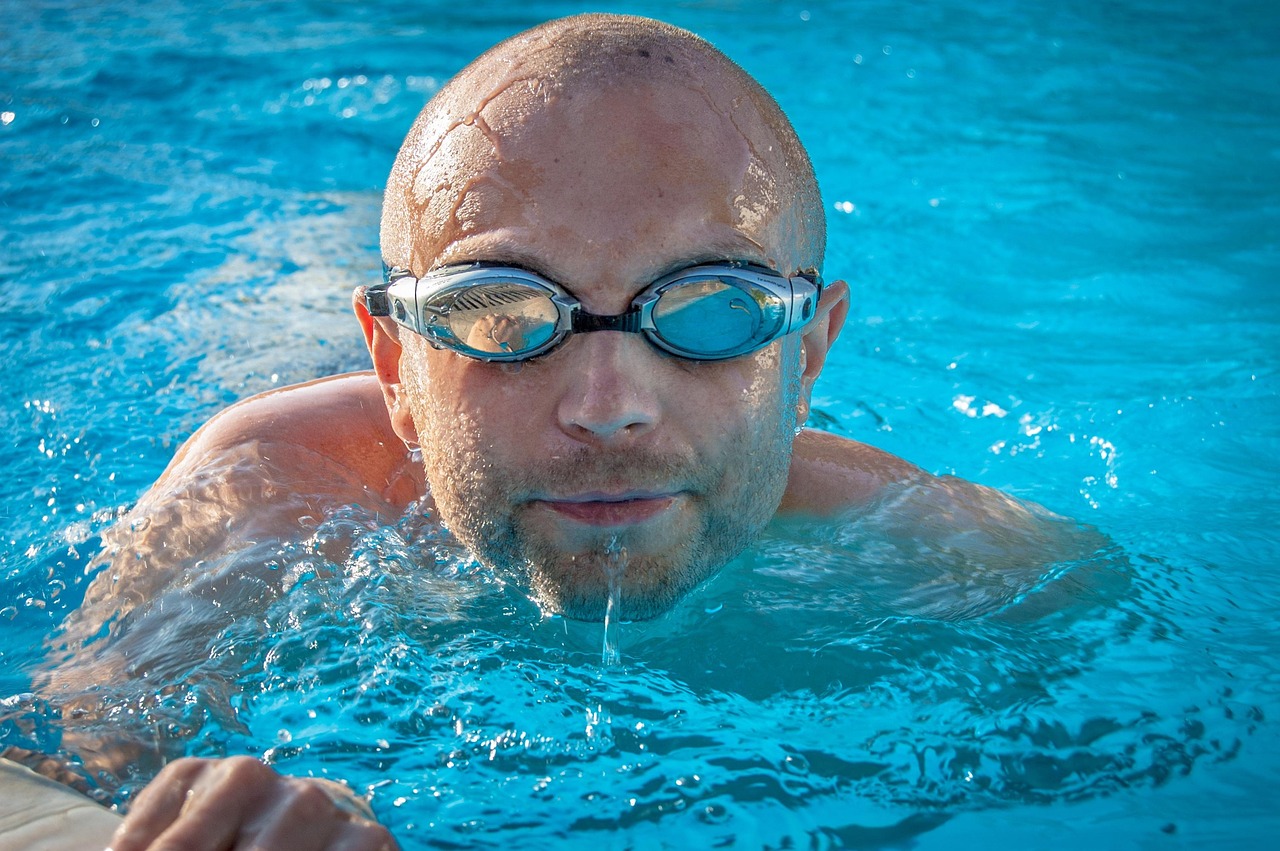

How to Synchronize Breathing With Kicks and Arm Movement
Swimming efficiently requires mastering various skills, including the critical synchronization of breathing with kicks and arms. The first aspect to consider is your swimming stroke. Whether you are using freestyle, breaststroke, or any other stroke, understand the mechanics involved. Each stroke has a unique timing where breathing aligns perfectly with arm movements. For instance, during freestyle swimming, the best moment to breathe is when your head turns to the side as one arm enters the water. Timing your breaths with your arm’s position will help maintain your rhythm. Additionally, every swimmer should experiment with different breathing frequencies. Most swimmers breathe every two strokes, but some prefer breathing every three strokes for a steadier rhythm. It’s also essential to practice bilateral breathing, enabling you to breathe on both sides. This technique gives you a better balance and awareness of your surroundings. Start incorporating drills that focus solely on breathing strategy. Through consistent practice, you can enhance your endurance and form. Lastly, remember the importance of relaxation. Tension can hinder your strokes, so maintaining a calm and steady approach is essential to synchronizing your breathing effectively.
Another effective way to synchronize your breathing with your kicks and arm movements is through proper body positioning. Ensuring your body is horizontally aligned in the water minimizes drag and helps improve your overall speed. When your body is streamlined, you will find it easier to coordinate your movements. Focus on engaging your core muscles to create a solid base, allowing your arms and legs to move more freely. Drill exercises like the ‘catch-up drill’ can enhance this alignment. During this drill, one arm stays extended forward while the other arm strokes, ensuring a natural breath is taken during the stroke cycle. Furthermore, it’s crucial to develop a consistent kicking rhythm. Kicking from the hips rather than the knees helps establish a fluid motion. This, combined with coordinated arm strokes and breathing, creates a rhythmic flow while swimming. Additionally, practice exhaling underwater. This technique helps clear your lungs and prepares you for a quick inhalation when your head surfaces. Establishing a pattern where you kick a certain number of times before breathing can significantly enhance your performance in the water.
Practicing Breathing Techniques
Drills are vital in improving your synchronization of breathing techniques in swimming. Incorporating specific breathing drills into your practice sessions can immensely benefit swimmers at various skill levels. For instance, practice swimming lengths with a focus on inhaling every third or fifth stroke. This helps you establish a pattern that becomes instinctive, allowing you to concentrate more on technique. To further enhance your skills, try the ‘zipper drill.’ In this drill, swimmers focus on keeping their movements streamlined and controlled while ensuring each breath is timed perfectly with the arm movement. Practicing such drills regularly allows your body to remember the movements and breathing patterns required during swimming. Moreover, utilizing a breathing snorkel can be beneficial. A snorkel enables you to work on your stroke parameters without worrying about turning your head to breathe. This allows you to entirely focus on enhancing your arm movements and positioning. Additionally, pay attention to your exhalation. Ensure that you’re fully emptying your lungs underwater to facilitate a more profound and quick inhalation when you come up for air. A consistent practice regimen will ensure that these techniques become second nature.
The setting in which you practice also plays an essential role. Finding the right environment can positively influence your synchronization of breathing and strokes. Look for swim practices with minimal disturbances, where you can focus entirely on your breathing techniques. It may help to swim during less crowded hours to ensure adequate space to maintain focus. Lighting can affect visibility underwater. Ensure that you have a clear view reduces the chances of abrupt movements or alterations in rhythm. Masters of synchronization appreciate the importance of selecting realistic settings. Consider practicing in varying water conditions, as different environments can impact your breathing strategy. Testing out different strokes in various conditions prepares you for competitions or open water swimming, where environmental factors become vital. Using video analysis on your swimming technique while incorporating synchronized breathing drills can reveal areas for improvement. Video review allows you to visually assess how your breathing correlates with arm strokes and kicks. Self-analysis will aid in understanding your movement patterns better. All these factors combined can ensure you’re well-prepared for mastering the synchronization of breathing with swimming kicks and arm movements.
Mindfulness in Swimming
In addition to physical strategies, maintaining a mindfulness approach can significantly enhance your ability to synchronize breathing with kicks and arm movements. Mindfulness involves being fully present and aware during your swimming practice, which can reduce anxiety and improve focus. As you swim, concentrate on the rhythm of your stroke, breath, and kicks. Visualize this rhythm as a continuous flow rather than disjointed movements. This visualization technique can help reinforce your timing as you transition between breaths and strokes. Additionally, take the time to practice positive affirmations before swimming. Affirmations can enhance your confidence and help maintain a calm state while swimming. Being mindful of your body’s sensations in the water will also boost your effectiveness as a swimmer. Pay attention to how it feels when you breathe at specific times, the sensation of your legs kicking, and your arms moving through the water. Each sensation can signal the best timing to breathe, enhancing your overall technique. Establishing a mindful swimming practice will significantly benefit your ability to synchronize your breathing with other movements in the water.
Conditioning your body for swimming involves understanding how vital fitness levels contribute to synchronization techniques. Regular cardiovascular workouts enhance your lung capacity and endurance, which are crucial for swimming. Activities such as running, cycling, or high-intensity interval training (HIIT) can improve your aerobic threshold. These activities benefit your swimming as improved stamina will allow you to maintain better control over your breaths and movements in the water. Swimming-specific strength training can also greatly enhance your performance. Focus on engaging muscle groups that are used during swimming, such as the core, back, and shoulders. Exercises like planks, lat pull-downs, and medicine ball twists target these areas efficiently. Balanced nutrition is an often-overlooked factor, but it plays a crucial role in ensuring your muscles recover and perform optimally. Consuming a diet rich in proteins, complex carbs, and healthy fats will provide your body with sufficient energy. Stay hydrated to keep energy levels high as well. Together, conditioning and nutrition ensure that your body is prepared to swim efficiently, allowing smooth synchrony between breathing, arm strokes, and kicks.
Conclusion: Breathing Synchronization Benefits
In conclusion, mastering the synchronization of breathing with kicks and arm movements is a skill that can enhance your overall swimming performance. It requires commitment and practice to incorporate the strategies discussed. Remember, key aspects such as body positioning, timing, and drills play crucial roles in this endeavor. Consistency is vital for improvement. Regularly practicing can help engrain these techniques into your swimming style, making them natural over time. Always monitor your progress and make adjustments as necessary to refine your skills. Video analysis, feedback from coaches, or peer review can provide valuable insights. It’s crucial to remain adaptable as you integrate different strategies and adjust your breathing techniques depending on the stroke and environment. Don’t forget the importance of mindfulness and conditioning in your training. By focusing wholly on each swim session, you will be better equipped to synchronize your physical elements effectively. Lastly, remember to enjoy the swimming process. Emphasizing enjoyment will ensure you stay committed to improving your skills and achieving your goals in the art of swimming.