
Hormones and Heart Rate: Understanding the Connection
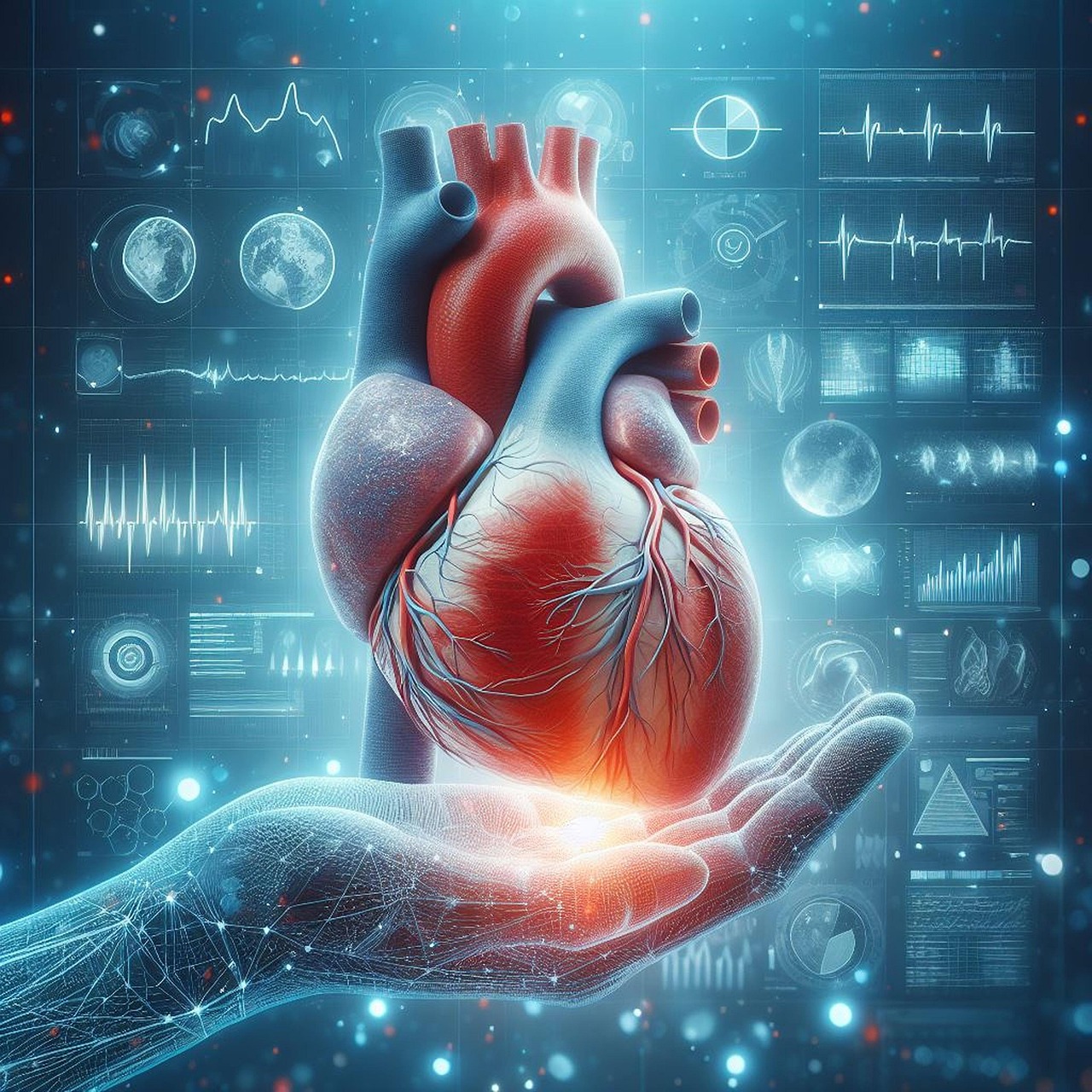
Hormones play a crucial role in regulating heart rate and overall cardiovascular fitness. Various hormones such as adrenaline and cortisol directly influence heart functioning, affecting how the heart responds to physical activity and stress. For instance, adrenaline, released during stress or exercise, temporarily elevates heart rate and improves blood flow to muscles. This response helps our body prepare for challenges. Conversely, chronic elevation of stress hormones can lead to negative cardiovascular outcomes, including high blood pressure. Understanding how these hormonal changes affect heart rate can help individuals optimize their fitness routines. Regular exercise influences hormone levels positively, stabilizing heart rate responses during physical exertion. Therefore, engaging in consistent cardiovascular activity is essential for managing hormone-related heart health. Monitoring these changes can provide insights into individual cardiovascular responses. Furthermore, integrating relaxation techniques can help mitigate excessive adrenal responses. Knowing how to maintain hormonal balance through fitness can promote a healthier heart. Lastly, regular check-ups and self-assessments of cardiovascular fitness can guide hormone management effectively.
As we delve deeper into hormones and cardiovascular health, it’s essential to recognize the significance of balanced hormones. Hormonal imbalances can lead to various health issues, including heart disease. Factors like diet, stress, and lifestyle choices offer a considerable influence on hormone production and regulation. For example, inadequate sleep negatively impacts cortisol levels, leading to increased heart rate at rest and potentially increasing health risks over time. A well-rounded approach, including a nutritious diet rich in essential vitamins and minerals, helps support hormonal health, fostering improved heart function. Foods rich in omega-3 fatty acids, antioxidants, and fiber can positively affect hormone levels and, in turn, heart health. Maintaining a healthy weight is also vital in regulating hormones. Excess body fat, particularly visceral fat, can lead to higher levels of certain hormones linked to heart problems. Regular monitoring of body composition through methods like body mass index (BMI) will offer insight into the hormonal balance. Joining support groups can also provide motivation for manageable lifestyle changes aimed at improving hormone levels and heart rate.
Impact of Exercise on Hormonal Balance
Engaging in regular physical exercise profoundly impacts hormonal health, particularly cardiovascular fitness. When individuals partake in aerobic exercises, hormones like endorphins and insulin tend to stabilize. Endorphins enhance mood and promote a sense of well-being, reducing stress levels. On the other hand, insulin helps regulate blood sugar levels, showcasing the importance of physical activity in maintaining hormonal balance and a healthy heart. Insufficient exercise can lead to imbalances, such as insulin resistance, contributing to weight gain and cardiovascular issues. Exercise serves as a catalyst for hormonal release, activating the body’s adaptive mechanisms. This enables more efficient oxygen utilization, promoting better heart health. Strength training also aids in hormone regulation, supporting lean muscle mass and metabolic functions. In the long term, sustained physical activity fosters heightened cardiovascular efficiency, making the heart work more effectively. This adaptability not only nurtures long-lasting health but also minimizes cardiovascular risks associated with aging. Thus, adopting a routine that includes both aerobic and strength training exercises enhances hormone modulation, which supports heart health.
Furthermore, understanding the intricate relationship between hormones and cardiovascular fitness can amplify fitness outcomes. Different hormones respond uniquely during various physical activities; for instance, during high-intensity workouts, lactate production increases, influencing heart rate and breathing patterns. Training at varying intensities exposes the body to different hormonal environments, enhancing overall adaptability. Additionally, recovery periods are essential for hormonal balance. Inadequate recovery can lead to overtraining, which adversely affects hormonal production similar to aging, resulting in decreased testosterone or elevated cortisol levels. By recognizing the need for rest and recovery, one can maintain a harmonious hormonal landscape, which in turn supports cardiovascular health. Incorporating active recovery techniques—such as light yoga or walking—can promote blood circulation while allowing for hormonal equilibrium. Nutritional strategies post-exercise are also crucial. Consuming protein-rich snacks replenishes energy reserves and aids muscle recovery, prompting a favorable hormonal response. Regular screening for hormonal levels and stress management techniques can further bolster heart health. Purposeful engagement in recovery allows individuals to capitalize on the physiological benefits of exercise, ensuring sustained heart rate regulation.
Nutrition and Hormonal Health
The relationship between nutrition and hormonal health significantly contributes to cardiovascular fitness. Nutritional choices influence the production and regulation of key hormones essential for heart function. Diets high in processed sugars and unhealthy fats can lead to hormonal imbalances, increasing the likelihood of heart disease. Emphasizing whole foods—fruits, vegetables, whole grains, and lean proteins—supports healthy hormone levels. These foods provide essential nutrients that promote the synthesis of hormones, improving cardiovascular health. In particular, potassium-rich foods help manage blood pressure and heart rate continually. Additionally, maintaining adequate hydration is crucial in ensuring that hormones and other bodily functions operate smoothly. Quality fats from sources like avocados, nuts, and fish play a crucial role in hormone production, fostering better heart health by stabilizing blood lipid levels. A balanced diet can counteract adverse effects of stress, thereby influencing heart rate positively. For optimal cardiovascular outcomes, consider meal prepping strategies to avoid unhealthy food choices. By fostering consistent healthy eating habits, individuals can significantly support their hormones and overall cardiovascular fitness.
Another essential aspect of your hormonal health journey involves recognizing how stress management plays a pivotal role in cardiovascular fitness. Chronic stress can negatively affect heart rate and hormone levels. Techniques like mindfulness, meditation, or yoga are invaluable in mitigating stress and promoting hormonal balance for better heart health. These practices reduce levels of cortisol, allowing the heart to stabilize its rhythm regularly. Additionally, engaging in leisure activities enhances mood and reduces emotional stress, which can greatly influence cardiovascular fitness negatively. Incorporating social support—whether through family, friends, or community groups—enriches psychological resilience, allowing better management of stress. A strong social network helps consolidate positive lifestyle choices and provides encouragement to maintain regular physical activity and nutritional balance. You might also explore therapies that focus on emotional health, such as cognitive-behavioral therapy, to further enforce stress management. Adopting a holistic approach to fitness by emphasizing relaxation techniques not only boosts mood but establishes a better hormonal landscape, enhancing your heart’s responsiveness to physical activity. Make regular reflection a habit, evaluating how stress management tactics positively transform your cardiovascular health.
Conclusion: Moving Forward with Hormonal Awareness
In conclusion, understanding the relationship between hormones and heart rate is essential for fostering better cardiovascular fitness. Individuals looking to improve their health must prioritize a well-rounded approach that encompasses exercise, nutrition, and stress management. By actively engaging in physical exercise, selecting nutrient-rich foods, and employing relaxation techniques, one can manage hormonal balances effectively. Regular health assessments can offer valuable insights into individual responses, helping tailor fitness routines to support heart health directly. Also, fostering relationships and creating a support network can aid in maintaining motivation for long-lasting lifestyle changes. Recognize that both mental and physical health are intertwined, emphasizing the importance of holistic wellness in achieving cardiovascular success. Moving forward, individuals should cultivate awareness of their hormonal landscapes through continuous learning about physiology and fitness strategies. Ultimately, possessing knowledge will guide individuals towards optimal hormonal health, ensuring their heart remains resilient while achieving fitness goals. Embrace these strategies to enhance your quality of life, achieving lasting heart health that supports overall wellness and vitality.