
Vitamin E: A Key Antioxidant for Active Individuals
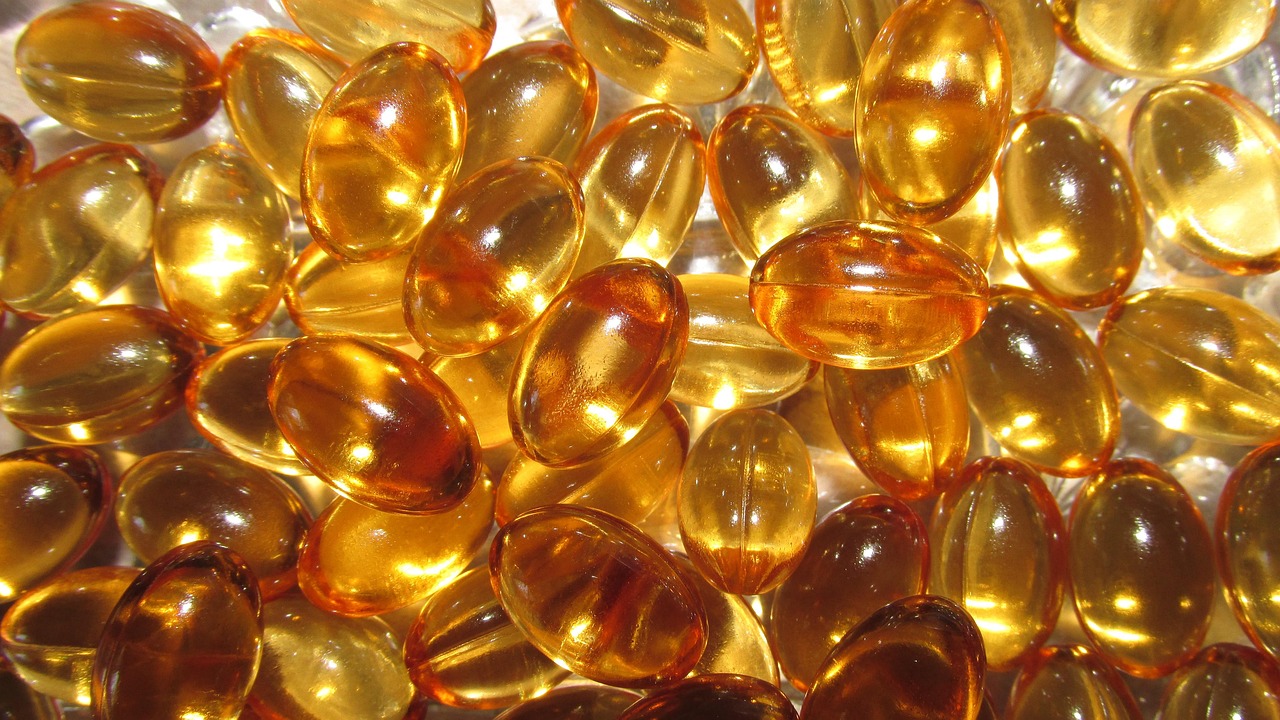
Vitamin E is a crucial nutrient that acts as a potent antioxidant, particularly essential for active individuals. It plays a role in protecting cells from oxidative stress, which can result from high levels of physical activity. Antioxidants like Vitamin E neutralize free radicals, thus preventing lipid peroxidation and cellular damage. Active lifestyles increase the production of these free radicals, making the intake of Vitamin E particularly important. This nutrient is not just beneficial for immune function, but it also promotes skin health and improves recovery from exercise. Food sources rich in Vitamin E include nuts, seeds, and leafy greens. It is also available in supplement form, providing an easy way for active people to ensure adequate intake. Many athletes utilize Vitamin E to enhance their overall health and boost performance. As with any supplement, it’s essential to consult a healthcare provider about dosage and necessity. They can assess individual needs and recommend the best sources for Vitamin E. Incorporating this vitamin into a balanced diet can significantly improve health outcomes for those who lead vigorous lifestyles.
Understanding the Benefits of Vitamin E
Vitamin E boasts a range of benefits that contribute to overall health and well-being, particularly for those engaged in physical activities. Notably, its antioxidant properties help mitigate muscle soreness after intense workouts. By combating oxidative stress, Vitamin E may enhance endurance, allowing for improved performance and recovery. Furthermore, this nutrient supports cardiovascular health by maintaining the elasticity of blood vessels. This is crucial for active individuals, as optimal blood flow ensures muscles receive oxygen and nutrients during exercise. Studies suggest that adequate Vitamin E levels may lead to better athletic performance and reduced injury risk. Another important benefit is its role in skin health; Vitamin E helps combat UV damage and can improve skin hydration, vital for those exposed to sun during outdoor sports. It is also linked to reduced inflammation, which is advantageous in recovery processes post-exercise. While rich food sources are available, supplements can make it easier for individuals to meet their requirements. However, moderation is key, as excessive intake can lead to adverse effects. Overall, understanding Vitamin E’s health benefits helps active individuals make informed dietary choices.
Active individuals may not always receive sufficient Vitamin E from their diets, highlighting the importance of knowing potential deficiencies. Symptoms of a deficiency can include muscle weakness, vision problems, and compromised immune function, which can significantly impact anyone’s ability to perform physically. Even though Vitamin E deficiency is rare, certain conditions such as malabsorption disorders or low dietary intake can increase risk. Athletes, particularly those with high training demands, should be vigilant about their Vitamin E levels. For athletes, ensuring adequate Vitamin E intake can help maintain optimal health and performance. Regular monitoring of nutrient levels can be beneficial. Incorporating a variety of Vitamin E-rich foods into your meals can significantly help. Additionally, supplementation can address any deficiencies, but it is critical to consult with a healthcare professional for tailored advice. Whole foods naturally contain a balance of nutrients that benefit overall health. Combining these foods with appropriate physical training can yield optimal results for fitness enthusiasts. Ultimately, staying informed about Vitamin E and maintaining healthy levels is essential for anyone leading an active lifestyle.
How to Incorporate Vitamin E into Your Diet
Incorporating Vitamin E into your diet can be delicious and straightforward. Foods like almonds, sunflower seeds, and spinach are excellent sources. Snack on a handful of nuts or toss seeds into salads for added crunch and nutrition. Cooking with oils such as sunflower oil or avocado oil can also increase Vitamin E intake. Additionally, green leafy vegetables like kale provide essential vitamins and minerals alongside Vitamin E. Make a smoothie with spinach and bananas for a flavorful drink loaded with nutrients. Fortified foods can also support your intake; check labels for options. While food sources are ideal, Vitamin E supplements are available if dietary intake proves challenging. However, always consult with a healthcare provider before starting supplements, ensuring they meet individual needs. Be mindful not to exceed the recommended daily allowance, as moderation is vital for any supplement regimen. Having a well-balanced diet supports not only Vitamin E levels but also overall health. Exploring various recipes can make it enjoyable to include Vitamin E sources while maintaining a nutritious diet tailored for active lifestyles.
In addition to dietary sources, understanding how Vitamin E interacts with other nutrients is crucial for maximizing its benefits. Fat-soluble vitamins, including Vitamin E, work best when consumed with dietary fats; this enhances absorption and efficacy in the body. Foods rich in healthy fats, like avocados and olive oil, can complement your intake of Vitamin E. Furthermore, pairing Vitamin E with Vitamin C may provide synergistic benefits. Vitamin C can regenerate Vitamin E, amplifying its antioxidant capacity. This interplay can enhance benefits, particularly for those actively engaging in fitness. Antioxidant-rich foods such as berries can also boost overall antioxidant intake alongside Vitamin E. Balancing your diet with diverse nutrients ensures you receive the full spectrum of health benefits. The goal should always be a well-rounded approach to nutrition, focusing on variety and balance. By integrating multiple sources of antioxidants, individuals can support their health and performance effectively. Awareness of how other nutrients work together can facilitate better dietary choices to enhance training and recovery.
Potential Risks of Excessive Vitamin E
While Vitamin E is essential for health, excessive intake can lead to potential risks and side effects. High doses, especially from supplements, may result in increased bleeding tendencies due to its effect on blood clotting. This is particularly concerning for those on anticoagulant medications, as it can amplify the risk of bruising or hemorrhage. Recommendations generally emphasize obtaining Vitamin E from food sources rather than high-dose supplementation. It’s crucial to adhere to recommended daily allowances and consult healthcare professionals regarding any concerns. Individuals who are considering supplements should always weigh the benefits against potential risks. The cumulative effect of antioxidants may also require assessment by healthcare providers to determine safety. Engaging in open conversations regarding vitamin supplementation can facilitate informed decisions about your health. Furthermore, maintaining a balanced diet will support optimal health and minimize risks associated with overconsumption. Those leading active lifestyles should aim to achieve their nutrient needs primarily through whole foods. Awareness and education about Vitamin E can help individuals make informed choices to avoid potential complications during their fitness journeys.
Vitamin E represents a vital component of a comprehensive approach to nutrition, particularly for athletes and active individuals. A focus on balanced diets alongside suitable exercise regimens promotes optimal health and performance. Increasing awareness about this essential nutrient fosters better dietary choices. Incorporating foods rich in Vitamin E, along with understanding its importance, will support overall health and longevity. Combining education with practical dietary strategies empowers individuals to sustain their active lifestyles effectively. Furthermore, keeping informed about current research and guidelines on Vitamin E supplementation can enhance health outcomes. Staying proactive about nutritional needs is fundamental for maintaining peak performance in sports and other physical activities. Engaging in community discussions or seeking expert advice can also encourage adherence to a healthy diet and proper nutrition. Surrounding yourself with knowledgeable individuals creates an environment conducive to fitness success. Ultimately, doing thorough research and connecting with healthcare professionals will lead to informed decisions on supplementation and dietary needs. Targeting Vision to Nutrition is vital for a successful journey in fitness, enhancing both athletic prowess and general well-being.