
Pilates for Stress Relief: Home-Based Techniques
Practicing Pilates at home is an excellent way to manage and reduce stress effectively. With the growing popularity of home workouts, you can easily carve out a dedicated space in your living area for this purpose. To get started, consider using a yoga mat and having various props like resistance bands or a stability ball. Consistency is crucial; therefore, scheduling regular sessions can significantly enhance your results. Setting a calming atmosphere is important too. Dim the lights, play soft music, and remove distractions. Additionally, setting a specific goal for each session, whether it’s improving flexibility or focusing on your core, will help you remain mentally engaged and focused. Another suggestion is to integrate mindfulness into your routine. This could involve breathing exercises alongside your Pilates movements to enhance relaxation and presence. After your workouts, spend a few moments performing gentle stretches to help release any additional tension. Remember to listen to your body; not every day will feel the same, so prioritize how you feel. Over time, this dedication can lead to a profound reduction in stress levels, ultimately benefiting your mental well-being.
Incorporating Breathing Techniques in Your Pilates Routine effectively reduces stress. One fundamental aspect of Pilates is controlled breathing, which plays a crucial role in enhancing the quality of your practice. As you engage in your movements, synchronize your breath with each exercise to foster a deeper connection to your body. Aim to inhale through your nose for a count of four and exhale through your mouth for a count of six. This pattern not only increases oxygen flow but also helps calm your mind. Additionally, try focusing on diaphragmatic breathing, allowing your abdomen to expand as you inhale. Practicing this technique will help distract you from daily worries and create a sense of tranquility. Moreover, incorporating visualization during these breathing phases can further enhance your experience. Imagine inhaling positive energy and exhaling negativity. Such mental imagery can provide additional layers of relaxation. Remember to create a consistent space suitable for these practices, making it comfortable and inviting. When practiced regularly, breathing techniques through Pilates can transform your home workouts into serene sessions, thereby effectively reducing overall stress and improving emotional balance.
Creating a Personal Pilates Space
Creating a designated Pilates space at home maximizes your focus and reduces stress levels during workouts. A clean, uncluttered environment promotes mindfulness and concentration, allowing you to dive deeply into your practice. Choose a space that receives natural light, which can uplift your mood. Consider using plants or other natural elements to enhance the ambiance. Ensure that the floor surface is suitable for your practice, ideally with a smooth, non-slip surface. If you have hardwood floors, a yoga mat can provide the necessary cushioning and grip. Additionally, consider having a full-length mirror to monitor your posture and alignments. This will also help keep you motivated and engaged. You might even include inspirational quotes painted on the wall or use calming colors in your décor to create a soothing atmosphere. Further, have your props easily accessible, so you don’t become distracted while searching for them. Organizing your equipment promotes a focused mindset, which is essential for a successful Pilates session. Over time, your dedicated space will become a sanctuary for stress relief, facilitating a deeper connection with your body and enhancing overall well-being.
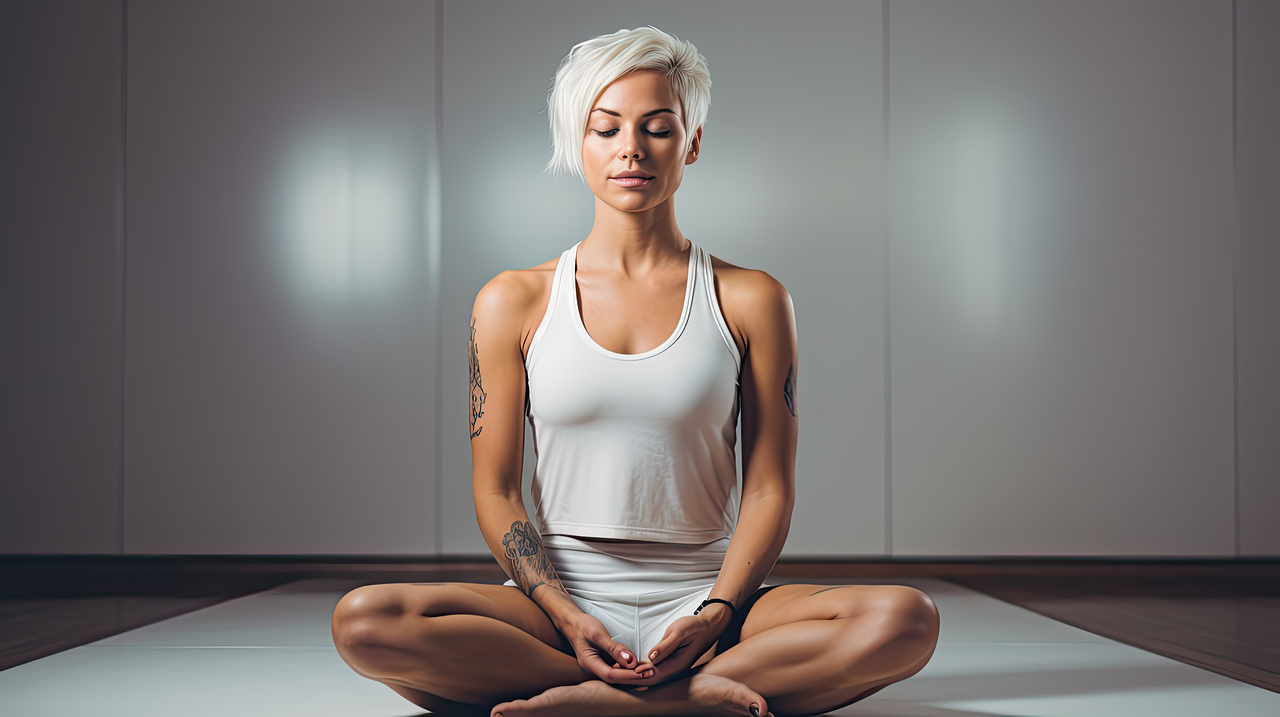
Incorporating Mindfulness Techniques into Pilates is vital for stress relief and overall mental health. Focusing your mind on the movements helps bring your awareness to the present moment. By concentrating fully on each exercise, you minimize distractions from external stressors, creating a meditative state. Start your sessions with a moment of stillness, centering yourself and setting an intention for your practice. It could be as simple as wanting to feel grounded or releasing tension. During your exercises, pay attention to how your body feels within each posture. This focused attention can significantly distract your mind from anxiety, guiding you toward clarity and relaxation. Additionally, you might try closing your eyes during some movements to enhance your sense of feel and balance. Allow your breath to guide your transitions between exercises and focus on its rhythm. Over time, as your mindfulness improves, you will find that you can carry this calmness into your daily life. By consistently practicing mindfulness with Pilates, you’ll cultivate a powerful tool for stress management and emotional balance that you can rely on.
Setting Achievable Goals for Your Practice
Setting achievable goals for your Pilates practice at home is crucial for long-term success and stress relief. When you establish clear, attainable objectives, you create a roadmap for your journey. Start by identifying your overall aspirations, whether it’s improving flexibility, achieving greater balance, or simply reducing stress levels. Break these goals down into smaller, manageable milestones that you can track weekly or monthly. This approach allows for gradual progress, preventing overwhelm and frustration. For example, aim to master a new exercise each week or increase your repetitions gradually. Additionally, keeping a journal can be beneficial, allowing you to reflect on your achievements and adjustments. Celebrate your successes, both big and small, as a way to maintain motivation. Remember to be kind to yourself; Pilates is a journey, and every small achievement counts. Moreover, visualize what success looks like for you in each session. This mental imagery keeps your focus aligned with your goals and fosters a positive attitude towards your home workouts. By setting realistic expectations and celebrating your progress, you cultivate an empowering practice that both uplifts and supports your emotional health.
Incorporating Aromatherapy During Pilates sessions can greatly enhance relaxation and stress relief. Utilizing essential oils is a simple yet effective way to boost your at-home experience. Choose calming scents, such as lavender or chamomile, which can soothe the mind and promote tranquility. Essential oils can be diffused in the room or used as a personal fragrance on pulse points before you start your practice. Alternatively, try applying a drop to your palms and inhaling it deeply during your warm-up to center your focus. Be mindful of using oils that are appropriate for your individual preferences and sensitivities. Adjusting the intensity and diffusion time according to your needs will personalize the experience. Additionally, consider creating a calming ritual involving breathing exercises while enjoying the aromatic environment. Many enthusiasts find that certain scents pair well with specific exercises, enhancing their overall experience. It’s crucial to cultivate a relaxing atmosphere as you connect with your body. As you incorporate aromatherapy, you’ll find that your Pilates sessions can transform into a deeply restorative practice that nourishes both your body and mind, allowing for effective stress relief.
Final Thoughts on Home-Based Pilates
Committing to Pilates at home can be a profound tool for stress relief and overall well-being. As you develop a consistent routine, you will start noticing the benefits not just physically but mentally as well. Integrating various techniques, such as mindfulness, breathing methods, and aromatherapy, can enhance the effects of your practice. Personalizing your space allows you to create an inspiring environment that maximizes your focus. Setting achievable goals will keep you motivated and promote a sense of accomplishment in your practice. Remember, it’s not just about the physical benefits but the mental clarity and peace that Pilates can provide. Practicing at home gives you the advantage of working at your own pace and tuning in with your body without distractions. Be patient with yourself, as this is a journey with ups and downs, but each session constitutes a step towards better mental health. Over time, enjoying Pilates as a calming ritual will help you release stress and cultivate positive energy. Embrace the process, and you will flourish both physically and mentally as you delve deeper into your practice.
Overall, Pilates at home for stress relief is a rewarding journey that encourages physical, emotional, and mental wellness. The flexibility to create a tailored practice aligned with your unique needs empowers you to take charge of your health. By prioritizing your mental well-being, you’ll learn to balance challenges in everyday life more easily. With dedication and consistency, you will find this practice invaluable. Embrace the power of Pilates and discover how it transforms your stress into serenity.