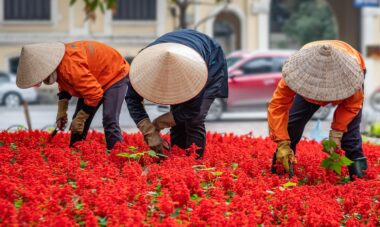

Environmental Fitness Concerns: How Urban Gardening Contributes to Cleaner Cities
Urban gardening is increasingly becoming a vital component in addressing environmental fitness concerns within metropolitan areas. By transforming concrete jungles into vibrant green spaces, urban gardens not only beautify cities but also play a key role in improving air quality. Plants absorbed carbon dioxide and release oxygen, significantly reducing air pollution levels and contributing to overall healthier urban environments. Furthermore, these green spaces encourage biodiversity by creating habitats for various species of birds, insects, and other wildlife. The establishment of urban gardens also enhances community engagement and fosters social connections among residents. People come together to plant, maintain, and harvest, sharing not just food but also knowledge and experiences. As more urban dwellers recognize the ecological benefits of gardening, we see a shift towards sustainable practices that prioritize environmental well-being. Both small-scale rooftop gardens and larger community plots contribute to this green revolution by offering sustainable food sources. A holistic approach to urban gardening can lead to cleaner cities, creating opportunities for residents to fight against climate change while enhancing their quality of life.
The Impact of Urban Gardens on Air Quality
One of the most significant environmental fitness concerns in urban settings is air quality, which directly impacts public health. Urban gardening can profoundly influence this issue. Through the cultivation of plants, urban gardens help filter pollutants from the air. Trees and shrubs in these gardens absorb harmful gases such as nitrogen dioxide and sulfur dioxide, while also capturing particulate matter. These actions improve overall air quality, benefiting all city inhabitants. Furthermore, the presence of greenery has a cooling effect, reducing heat islands in densely populated areas. Cooler urban zones require less energy for air conditioning, leading to decreased greenhouse gas emissions from power plants. Studies have shown that areas with abundant vegetation are linked to lower respiratory illnesses among residents. The mental health benefits associated with urban gardening also play a significant role, as exposure to nature can alleviate stress and anxiety. By enhancing urban biodiversity, urban gardens create ecosystems that support pollinators and other important species. Therefore, fostering these gardens is essential for promoting ecological balance within urban communities, ensuring healthier living conditions for everyone.
Urban gardening initiatives have been embraced in cities around the world, yielding positive results concerning food production and management. These gardens serve as local sources of fresh fruits and vegetables, dramatically reducing dependence on industrial agriculture. By growing food within city landscapes, urban gardeners contribute to food security in underserved neighborhoods. Local food production shortens the supply chain, reducing carbon footprints associated with transportation. In addition, community gardens often rely on organic farming techniques, decreasing the use of harmful pesticides and fertilizers. Composting organic waste generated by local households can significantly reduce landfill waste while enriching the soil in these urban plots. The closed-loop systems facilitated by urban gardening can transform waste into valuable resources, demonstrating a commitment to sustainability. As more individuals recognize the importance of home-grown produce, urban gardening can become a tool for community empowerment. These initiatives allow urban dwellers to take charge of their food sources while simultaneously promoting healthier lifestyles. Moreover, educational programs surrounding gardening encourage responsible practices and environmental stewardship, instilling values that resonate with future generations.
Strengthening Communities Through Urban Gardening
Urban gardening initiatives have also demonstrated their ability to unite diverse communities. In areas with cultural or socioeconomic divides, gardens provide neutral grounds where residents can collaborate, share experiences, and foster friendships. Often organized by non-profit organizations or local governments, these community gardens serve as hubs for social interaction and mutual support. Through shared labor, participants cultivate not only food but also a sense of belonging. Gardening workshops and educational events can empower residents to learn essential skills, such as sustainable practices and basic horticulture. Moreover, urban gardens promote cultural exchanges in multicultural settings, offering opportunities to share local culinary traditions and gardening techniques. By increasing accessibility to fresh produce, urban gardens also tackle food deserts, allowing people to nourish themselves economically and nutritionally. The enhanced sense of community engagement that emerges from urban gardening leads to reduced crime rates and greater civic responsibility. Communities that prioritize collaboration through green spaces are better equipped to address local issues collectively, making urban gardening a cornerstone for holistic city development. The social fabric of urban environments can become healthier and stronger through these gardening efforts.
Not only do urban gardens beautify landscapes, but they also transform previously neglected spaces into thriving ecosystems. Land that was once abandoned or otherwise overlooked can be revitalized through collaborative gardening projects, returning it to productive use. Such transformations have a ripple effect on local property values, increasing community pride and encouraging further investments in the area. The act of gardening fosters a sense of ownership and responsibility among residents, leading to increased vigilance against vandalism and decay. Additionally, urban gardens contribute to the management of stormwater runoff, mitigating the effects of flooding in urban areas. By allowing rainwater to percolate into the soil, gardens minimize the volume of water entering drainage systems during heavy rainfall events. Such natural methods of stormwater management exemplify greener infrastructure solutions. Urban gardening provides an optimal platform for reducing heat island effects, thereby enhancing city resilience to climate change. The hidden benefits of urban gardens extend beyond immediate aesthetics and provide long-lasting advantages to both communities and the environment. Encouraging the growth of urban gardens can thus be viewed as an investment in a sustainable future.
Conclusion: The Future of Urban Gardening
As awareness about environmental fitness concerns rises, urban gardening initiatives are likely to become even more prevalent in cities worldwide. The movement is fueled by a demand for greener, healthier living spaces that promote sustainable practices. Partnerships between local governments, community organizations, and residents will play a pivotal role in supporting urban gardening endeavors. Innovation in urban gardening techniques, such as vertical gardening and hydroponics, continues to emerge, offering new possibilities for food production in limited spaces. Technology can enable urban gardeners to efficiently manage resources, reduce waste, and track environmental impacts through smart gardening solutions. Schools and educational institutions can integrate gardening programs into curricula, inspiring the next generation of environmental stewards. Public awareness campaigns will further encourage community involvement in urban gardening activities. Ultimately, the future of urban gardening will extend beyond mere aesthetic appeal, paving the way for cleaner cities through conscious efforts to improve air quality, foster biodiversity, and create sustainable food systems. Urban gardening represents a powerful tool for addressing environmental and social challenges while building more resilient communities.
By providing countless environmental and social benefits, urban gardening stands at the forefront of efforts to create cleaner cities. As cities become increasingly dense, the need for green spaces becomes ever more crucial. Urban gardens address environmental fitness concerns and offer viable solutions to combat pollution, promote biodiversity, and nurture healthier communities. Whether through community plots or individual rooftop gardens, the impact of urban gardening can be transformative, creating vibrant green spaces in urban settings. As awareness of these issues grows, urban gardening represents an opportunity to engage city dwellers in meaningful actions that contribute to their environment. Overall, urban gardening signifies hope for a sustainable future, as it empowers residents to take ownership of their surroundings while enhancing their quality of life. The potential for urban gardens extends beyond personal advantages, encompassing collective benefits for the community and environment alike. As more individuals and organizations invest in urban gardening initiatives, cleaner cities become attainable goals for urban populations. Indeed, urban gardening embodies the innovative spirit required to tackle contemporary issues, making it an essential aspect of sustainable city planning.