
Breath-Focused Meditation: A Natural Remedy for Anxiety
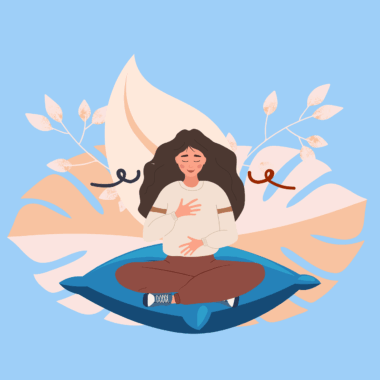
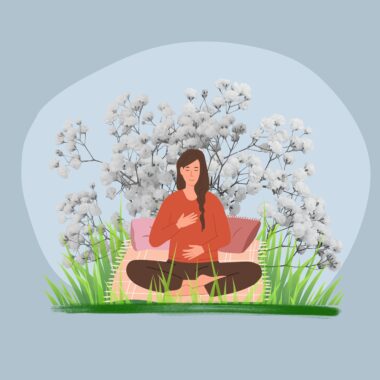
Breath-focused meditation is an effective technique that helps individuals cope with anxiety and stress. In our busy lives, it can sometimes be challenging to find moments of peace. This method empowers us by focusing on our breathing patterns, allowing our bodies to release pent-up tension and anxiety. By practicing breath-focused meditation, we become aware of our breath’s natural rhythm. We can observe our inhales and exhales, drawing attention to how they influence our physical and emotional state. This increased awareness creates a more profound connection between body and mind. To begin, find a quiet space where you can sit comfortably. Close your eyes and take a deep breath in through your nose, allowing your abdomen to expand. Hold for a moment, then slowly release through your mouth. Repeat this process, noticing how your body feels with each breath. This simple act promotes relaxation, decreases heart rates, and centers our thoughts. It enables us to cultivate a sense of calm that can persist throughout the day. Engage in this practice regularly for improved overall mental wellbeing and resilience against daily stressors that can arise frequently.
The Science Behind Breath-Focused Meditation
Scientific research supports the benefits of breath-focused meditation, particularly in stress reduction. Studies indicate that controlled breathing can alter brain activity, promoting a state of relaxation. Our brains respond to distress signals, often inducing a fight or flight response that increases anxiety levels. By engaging in breath-focused techniques, we stimulate the parasympathetic nervous system. This response helps reduce heart rates and lower cortisol levels, effectively combating stress. Moreover, participants who practice breath-focused meditation report feeling more grounded and present, reducing anxiety symptoms significantly. In one notable study published in 2014, researchers found that participants who practiced breath meditation exhibited measurable improvements in anxiety and overall emotional regulation. Participants reported increased feelings of calmness and emotional stability. Regular practice not only helps individuals feel less anxious but also enhances cognitive function by sharpening focus and concentration. With consistent practice, breath-focused meditation equips individuals with tools for managing anxiety. It transforms how we respond to stress, allowing us to approach life’s challenges more effectively. Mindful breathing makes our minds sharper, contributing to our wellbeing and resilience much beyond the confines of our meditation practice.
The earliest practices of breath-focused meditation date back thousands of years to ancient traditions, including Buddhism and Hinduism. These traditions emphasized the importance of respiration in achieving mental clarity. The ancient texts speak of breathing techniques as a way to connect with one’s inner self and promote mental health. Today, breath-focused meditation has gained popularity as a modern technique for stress reduction. Many practitioners find that these ancient methods resonate deeply in today’s fast-paced environment. By integrating historical practices with contemporary mindfulness approaches, breath meditation becomes powerful for managing anxiety. It is often incorporated into various wellness programs and fitness routines, emphasizing the vital role that breath plays in maintaining balance and harmony. Many yoga classes, for instance, incorporate breathwork throughout their sessions to improve overall practice. This connection between breath and movement fosters a deeper sense of mindfulness and presence, enhancing the benefits experienced. People from all walks of life engage in these practices, finding stability and tranquility in their busy lives. As we explore the profound nature of breath-focused meditation, its potential to positively impact mental health becomes increasingly evident for many individuals seeking relief from stress.
How to Incorporate Breath-Focused Meditation into Daily Life
Incorporating breath-focused meditation into daily life does not require extensive time or elaborate settings. You can practice even in short sessions, allowing you to find peace within any hectic schedule. Begin with just five minutes each day, gradually increasing your practice as you feel comfortable. To integrate breath-focused meditation, identify specific moments in your daily routine to dedicate this practice. For instance, consider meditating in the morning upon waking, during your lunch break, or before bedtime. Establishing these consistent moments ensures that they become a regular part of your day. When you choose your time, find a comfortable space where distractions are minimal, so you can immerse yourself in the practice. Use guided meditation apps or listen to calming music to enhance your experience. Additionally, inviting deep breaths during stressful moments—such as waiting in line or sitting in traffic—can serve as a quick reset for your mind and body. Regular practice nurtures mental resilience, ensuring that anxiety does not overwhelm you as you navigate daily challenges. This approach enhances not only emotional wellbeing but promotes a healthier mindset overall.
As you delve deeper into breath-focused meditation, various techniques can enhance your practice further. Experimenting with different styles uncovers which ones resonate best with you. Some popular methods include diaphragmatic breathing, box breathing, and alternate nostril breathing. Each offers unique benefits and can provide additional layers to your meditation experience. Diaphragmatic breathing encourages full oxygen exchange, promoting relaxation and reducing stress. Additionally, box breathing presents a structured approach, involving a four-step process of inhaling, holding, exhaling, and pausing for equal counts, cultivating focus and calm. Switch to alternate nostril breathing to balance energy and ensure mental clarity. This technique requires closing one nostril while breathing through the other, alternating between sides for complete tranquility. Often, these techniques harmonize well with physical activities like yoga or tai chi. Participants report enhanced focus and calmness, providing better emotional stability during challenging situations. The key is to remain patient and gentle with yourself as you navigate these techniques. Over time, you can create a tailored practice that accommodates your needs and preferences, ensuring longevity in your journey toward mental wellbeing.
Conclusion: Embracing Breath-Focused Meditation for Stress Reduction
In conclusion, breath-focused meditation serves as a valuable tool for individuals seeking to manage anxiety and stress effectively. It empowers us to draw from ancient wisdom while adapting those practices for modern-day challenges. As awareness of breath deepens, individuals often experience clarity, calmness, and a sense of control over their emotions. The simplicity of focusing on our breath makes it highly accessible for everyone. With consistency, breath-focused meditation can cultivate longer-lasting resilience and serenity in everyday life. Individuals report improved emotional regulation, greater self-awareness, and increased ability to cope with daily stressors. Its arrival into mainstream practices highlights the growing recognition of mental wellbeing. Hence, finding moments throughout each day, no matter how brief, paves the way for sustained mental health benefits. Consider committing to daily practice; begin slowly and weave it into daily routines. This way, breath-focused meditation becomes not just a standalone activity but a vital life skill. As we continue to embrace breath-focused meditation, we invite a natural remedy to alleviate anxiety and enhance our quality of life, ultimately transforming the way we respond to stress.
In summary, breath-focused meditation offers individuals a natural remedy to combat anxiety and stress. Building upon ancient practices, it aligns with modern stresses, creating accessible methods for everyone. Regular practice promotes emotional stability while enhancing self-awareness and cognitive function. With simple techniques at our disposal, we can learn to reconnect with our breath, providing a sense of empowerment and peace. Embracing breath-focused meditation allows us to live more fully in the present, equipping us for daily challenges. Research and personal stories continue to affirm its effectiveness, encouraging more people to explore this transformative practice. While life presents numerous pressures, these mindful moments dedicated to our breath create lasting change and resilience. So, whether at home or in the office, take the time to breathe and reflect. By integrating these techniques, we cultivate an inner sanctuary that becomes crucial for our wellbeing. Ultimately, as we nurture mental health through breath-focused meditation, we unlock the potential within ourselves to thrive amidst life’s ups and downs, fostering a profound shift that leads to lasting serenity and peace.
Overall, implementing breath-focused meditation creates a pathway to a calmer, balanced life. Each session encourages a deeper understanding of ourselves and enhances our ability to manage stress. We begin to recognize our triggers and learn how to respond rather than react impulsively. Tailoring our practice to suit personal preferences ensures sustainability, allowing us to make gradual yet impactful changes. Over time, the consistent implementation of this practice illuminates paths to a healthier mindset, improving our overall outlook on life. Seeking additional resources, such as workshops or community classes, can enhance learning. These environments allow individuals to connect and deepen their understanding of breathwork techniques. Moreover, practicing with others can foster motivation and support, providing further encouragement. Video and audio resources can also supplement personal exploration. Finding guides that resonate with you will enhance your understanding of various techniques. Breath-focused meditation is a journey that requires dedication and patience, but the outcomes are profoundly rewarding. As we embrace these practices, we entwine a sense of peace into our daily lives, paving the way for enhanced emotional health and a fulfilling, present life.