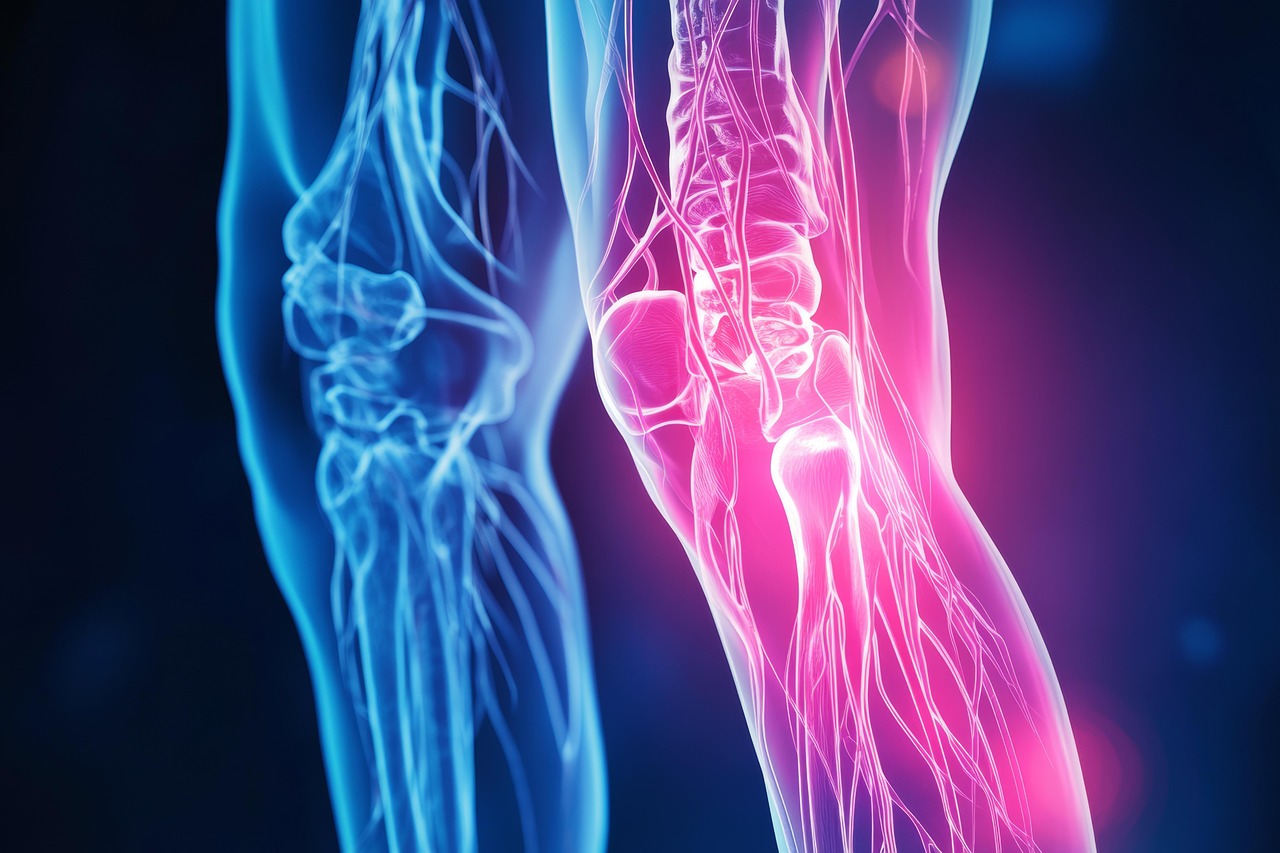

Understanding Age-Related Changes in Joint Health
As we age, our bodies undergo significant changes that can affect many aspects of our health. One of the most critical areas impacted is joint health, which can lead to a variety of issues. The aging process often leads to a reduction in cartilage, which serves as a cushion between bones. Consequently, individuals may experience pain and increased stiffness, particularly in weight-bearing joints like the knees and hips. Moreover, the occurrence of osteoarthritis grows with age, making it essential to understand these changes. To manage joint health effectively, it is crucial to engage in regular physical activity to maintain flexibility and strength. Additionally, a balanced diet rich in omega-3 fatty acids can support joint function. Staying hydrated also benefits cartilage, fostering lubrication in joints. Self-care practices that include proper rest and the use of supportive devices can aid in alleviating discomfort. Lastly, individuals should consult healthcare providers for personalized strategies to maintain joint health as they age. Understanding these components will empower older adults to make informed decisions about their health and overall well-being.
Continuous education on joint health is vital for aging individuals to lead active lives. Physical activity plays a critical role in reducing the risk of joint issues, as it strengthens surrounding muscles. Ideal exercise routines integrate stretching, strength training, and aerobic activities tailored to personal comfort levels. Resources like community fitness classes or online workout programs provide accessible options to seniors. Furthermore, combining these exercises with a nutritious diet can augment overall health. Foods rich in vitamins C and D, along with antioxidants, can protect joints and reduce inflammation. Learning about the signs of joint deterioration early can lead to timely interventions. When necessary, healthcare professionals may recommend physical therapy to enhance mobility and function. This treatment can tailor exercises to specific needs, ensuring safety and effectiveness. Technology, such as wearable fitness trackers, also promotes adherence to exercise regimes, encouraging progress monitoring. As awareness grows, so does the importance of preventative measures to enhance joint health. Seniors equipped with knowledge and resources can effectively counteract age-related joint changes, promoting longevity and independence.
Factors Influencing Joint Health in Older Adults
Several factors can influence joint health as individuals age. Genetic predisposition can play a crucial role in determining one’s vulnerability to joint disorders. Individuals with a family history of arthritis or other musculoskeletal conditions may need to be especially vigilant. Lifestyle choices, including diet and exercise, greatly affect the integrity of joints. Obesity, for instance, places additional stress on weight-bearing joints, exacerbating existing conditions. Thus, managing weight through a balanced diet is essential. Additionally, the type and intensity of physical activity can impact joint health differently. Low-impact exercises, such as swimming or cycling, provide cardiovascular benefits without excessive stress on joints. Furthermore, environmental factors, such as exposure to cold and humidity, can also exacerbate joint pain, particularly in those with pre-existing conditions. Mental health adds another layer; emotional well-being is crucial. Stress and depression can intensify the perception of pain. Engaging in social activities and maintaining good health can foster a positive mindset towards aging. Incremental lifestyle adjustments, focusing on physical and mental well-being, can significantly improve joint health outcomes.
Older adults should also be aware of the symptoms that indicate joint health concerns. Common signs include persistent pain, swelling, and audible sounds such as crunching during movement. These symptoms may not only signify wear and tear but could also suggest underlying conditions that require medical attention. Tracking these symptoms in a journal can allow seniors to share detailed information with their healthcare providers. Early detection is pivotal in managing joint issues effectively before they escalate into major problems. Furthermore, understanding the importance of regular medical check-ups provides another layer of preventive care. Doctors can offer tailored advice on the best strategies for maintaining joint health, including any necessary medical interventions. Nutritional supplements, like glucosamine and chondroitin, have gained popularity among seniors for their potential benefits in improving joint function. However, it is essential to approach them with caution and consult healthcare professionals before starting any new supplements. In conclusion, awareness and communication play significant roles in promoting joint health among older adults, ensuring long-term mobility and quality of life.
The Role of Nutrition in Joint Health
Nutrition plays a fundamental role in supporting joint health and mitigating pain associated with aging. Consuming antioxidants, such as those found in fruits and vegetables, aids in reducing inflammation that often affects joints. Foods rich in omega-3 fatty acids, like salmon or flaxseeds, possess anti-inflammatory properties and promote better joint function. Incorporating nuts, whole grains, and legumes can further enhance nutritional intake, fostering overall health. It is vital to include adequate protein sources in meals to maintain muscle mass and provide structural support to joints. Moreover, hydration is often overlooked but is essential for joint lubrication; seniors should aim to drink ample water daily. Research has suggested that specific vitamins, including Vitamin D, are necessary for calcium absorption, which is crucial for bone health. Observing dietary habits can lead to positive lifestyle changes that benefit joint health. Additionally, limiting processed foods high in sugars and unhealthy fats is advisable. Maintaining a well-balanced diet, combined with physical activity, is instrumental in supporting seniors’ overall joint health and reducing age-related discomfort.
The importance of appropriate footwear cannot be understated for older adults concerned about joint health. Shoes that provide adequate support and cushioning can significantly alleviate stress on the joints, particularly in the knees, hips, and back. Footwear should be well-fitted, offering stability and proper arch support to prevent misalignment. Furthermore, seniors should consider orthotic inserts as an option to enhance comfort and provide additional support. Engaging in activities that require excessive foot strain should be minimized, and individuals should alternate their routines to avoid overuse injuries. It is crucial to prioritize comfort over style; well-designed shoes can make a substantial difference in overall mobility. Regularly assessing the condition of footwear is necessary as worn-out shoes can contribute to joint problems. Additionally, using assistive devices such as canes or walkers can mitigate stress on joints, enhancing safety while maintaining mobility. Education on the significance of proper foot care goes hand in hand with joint health awareness. As older adults pay attention to their foot health, they are likely to experience improved joint stability and comfort.
Conclusion: Embracing Healthy Aging
In conclusion, understanding age-related changes in joint health is essential for older adults seeking to maintain active and fulfilling lives. By recognizing the factors that contribute to joint degeneration, individuals can develop proactive strategies to enhance their well-being. Nutrition, exercise, and awareness of foot health collectively play pivotal roles in promoting joint longevity. Older adults should remain engaged with healthcare professionals to ensure they receive appropriate guidance tailored to their personal health needs. This collaborative approach fosters informed decision-making and encourages healthier lifestyles. Through continuous education and a commitment to health, seniors can mitigate many age-related joint problems. Social connections and community involvement also provide vital support, encouraging consistent engagement in healthy activities. As individuals embrace the aging process with knowledge, they can experience improved quality of life overall. Participation in fitness and wellness programs suited to their abilities can further support their journeys toward healthier joints. Ultimately, an informed and holistic approach will empower older adults to celebrate aging while maintaining vitality and mobility.
Finally, it’s crucial to celebrate the achievements made in joint health management. Seniors can share their experiences and strategies with peers to foster a supportive community atmosphere. As older adults open dialogues about their joint health journeys, it creates a platform for shared learning and encouragement. They can motivate each other to stay active and seek professional help when needed. Engaging in local support groups or community resources can bolster their resolve to prioritize joint health. Resources such as workshops on bone and joint health, hosted by community organizations, provide valuable information. Furthermore, collaboration with family members aids in creating a supportive home environment conducive to healthy aging. Encouraging loved ones to participate in healthy activities reinforces the advantages of joint care. As seniors navigate the complexities of aging, they should embrace every opportunity to advocate for their joint health. Sharing knowledge and experiences reinforces a collective effort toward tackling age-related challenges, ultimately leading to healthier, more fulfilling lives.