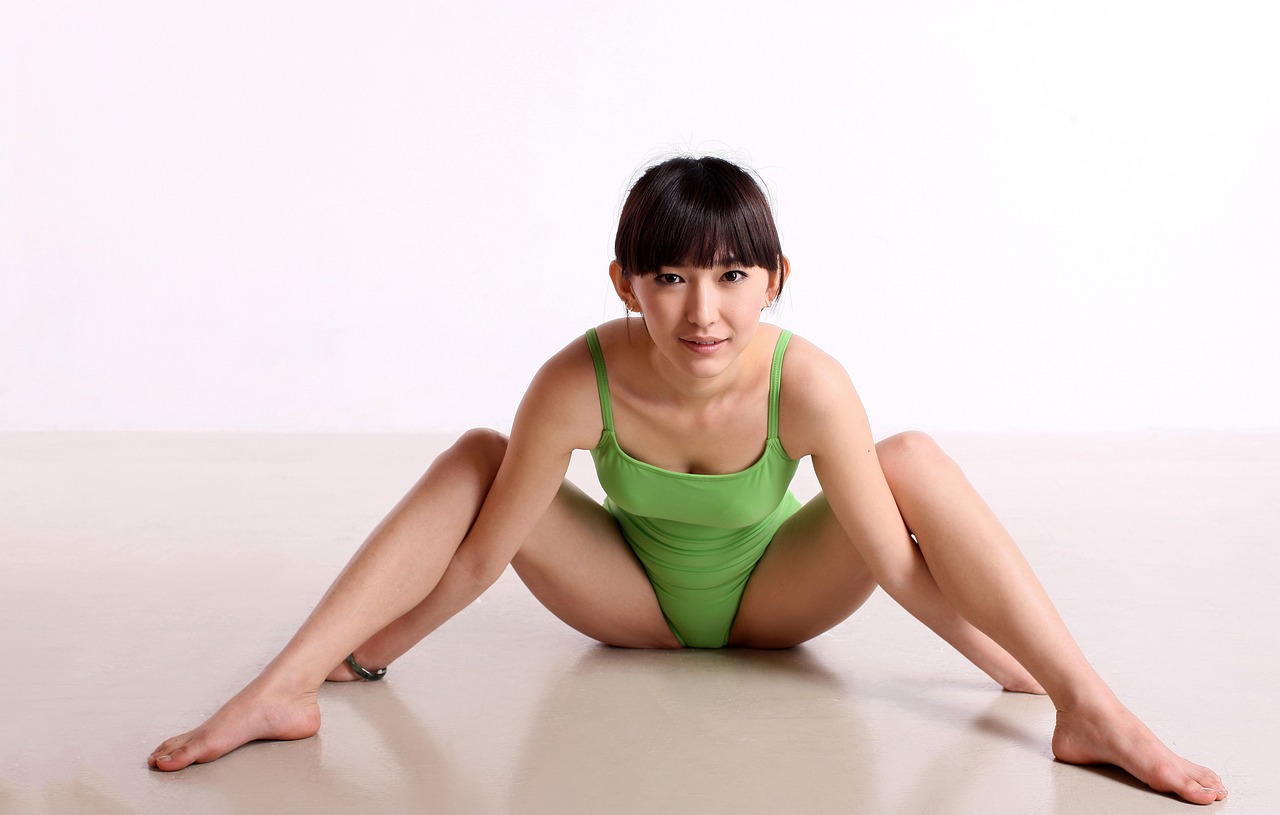

Dance Fitness Basics: Tips for Maintaining Proper Posture
In the realm of dance fitness, developing proper posture is crucial for maximizing performance and preventing injuries. Musical movements can significantly amplify body alignment challenges, so understanding foundational postures is essential. Always start by standing tall and maintaining an engaged core; this stability serves as your anchor. Gently pull your shoulders back and down to reduce tension, allowing your arms to move freely. Additionally, placing your feet shoulder-width apart promotes better balance, especially in dynamic routines. During various dance styles, whether it’s Zumba, hip-hop, or salsa, retaining this posture benefits every step and transition. Pay attention to how the movements feel; maintaining a strong center helps with executing intricate choreography. Notably, retaining a tall spine aids not just in aesthetics, but in performance efficiency. As you practice, gradually remind yourself of these adjustments. Partner with a mirror or record your sessions to self-assess your form. This process offers valuable insights into how your alignment affects overall technique in dance routines, leading to more enjoyable sessions. By prioritizing posture, you pave the way for effective workouts devoid of unnecessary strain and discomfort.
Core Engagement in Dance Fitness
Engaging the core is fundamental to achieving proper posture in dance fitness. A strong core stabilizes the entire body and aids in flawless choreography. Start with exercises that focus on activating the abdominal muscles, as these will help support your spine. When you begin a routine, practice drawing your navel toward your spine, which establishes a solid foundation. This technique not only helps in maintaining posture but also in controlling your movements effectively. Incorporate exercises like planks, leg raises, and pelvic tilts into your warm-up routines. These movements will activate and build core strength, directly contributing to how you hold your posture while dancing. Additionally, consider ending each class with deep stretches focusing on the core and lower back. This practice will enhance flexibility and improve the overall range of motion, allowing for more dynamic movements. Furthermore, remember that proper breathing complements core engagement; as you inhale, imagine your spine elongating, and as you exhale, draw your belly button in. Integrating this awareness improves performance while reducing the risk of injury. Ultimately, consistent focus on core engagement will impact your overall dance fitness journey positively and sustainably.
Another significant aspect to consider is the alignment of your head and neck. Proper alignment begins from the crown of your head down to your toes. When dancing, it’s easy to overlook where the head is positioned; avoid jutting the chin forward. Instead, maintain a neutral neck position by imagining a string gently pulling the top of your head upward. This simple adjustment not only elongates the spine but also enhances your ability to execute movements fluidly. Moreover, the neck and head’s positioning impacts how movements are perceived, signaling confidence and poise. Make sure your gaze remains forward when transitioning from one move to another; this visual focus strengthens both balance and presence. Lastly, avoid tilting your head too much in either direction, as this can lead to discomfort. Regularly practicing head and neck exercises, such as gentle stretches and rotations, can promote flexibility and enhance your overall alignment in dance. Pay attention to how these adjustments feel, and you will likely notice improved performance and confidence on the dance floor. Quality posture greatly enriches the effectiveness of your dance fitness routines over time.
Foot Placement and Grounding
Foot placement is another critical element in maintaining proper posture for dance fitness. Your feet serve as the foundation for all movements, so understanding ground connection considerably aids in achieving balance. Begin by practicing your alignment with feet positioned shoulder-width apart. This positioning provides a stable base that maximizes your ability to move and easily flow into different dance styles. Ensure that your weight is distributed evenly across your feet while keeping your knees slightly bent to absorb movement impacts. Each step or pivot you take should originate from this grounded stance, allowing you to transition smoothly. As you progress through various routines, practice articulating your foot movements. This articulation includes pointing, flexing, and rolling your feet, which enhances mobility. Focus on creating an awareness of how your feet move through space while maintaining posture. Furthermore, consider investing in appropriate footwear designed for dance fitness. Well-fitting shoes support natural foot movement and assist in posture maintenance. To strengthen ankle stability, add exercises that target this area, and practice balancing on one foot during stretches, as well. Strengthening your base will ultimately elevate your dance performance.
As you become familiar with the elements of proper posture, it’s important to consider the role of relaxation in your body. While maintaining strong engagement is essential, over-tensing muscles can lead to fatigue or potential injuries. Aim for a balance between strength and relaxation across your body. Begin by releasing any tension in your shoulders, hands, and face during routines. Creating a mind-body connection can help you become more aware of where stress may accumulate. Utilize visualization techniques to help with relaxation; picturing energy flowing smoothly through your body can alleviate tension. Furthermore, don’t hesitate to take breaks during practice sessions to check in with your body and adjust as needed. As you work through various dance styles, embrace moments of stillness, letting your body recalibrate average under the rhythm of the music. Understand that combining strength with relaxation enhances both your posture and movements. When you can flow through movements effortlessly, without overexertion, you are more likely to enjoy the experience and discover a lasting connection with dance fitness. This balance directly leads to increased longevity in your practice.
Practicing in Front of a Mirror
Practicing in front of a mirror can significantly improve how you maintain proper posture during dance fitness. Mirrors allow for immediate feedback on your body alignment and movement execution. Begin by assessing your posture standing still, focusing on your alignment from head to toe. This assessment creates a reference point as you transition into different dance routines. Once you become aware of any misalignments, it’s easier to correct them in real time. Additionally, observing your reflection helps to build confidence, as you see how your movements flow and respond to the beat. This self-checking technique can minimize bad habits from developing while reinforcing good postural practices. Regularly incorporate mirror workouts into your sessions, even if briefly, to enhance your awareness. Experiment with different angles and speeds to understand how they influence your posture. Also, consider recording yourself to spot improvement over time. This practice can boost your overall development, enabling you to execute choreography at a higher proficiency level. By being able to see yourself, you foster a deeper connection between posture and performance, ultimately leading to a more fulfilling dance fitness experience.
Finally, remember the importance of consistency in practicing proper posture within dance fitness. Incorporate posture checks into your warm-up and cool-down routines regularly. By integrating these checks consistently, you develop a stronger awareness of your body alignment over time. Engage family or friends to dance along with you while offering feedback on your form and posture. This social approach fosters motivation and accountability, enhancing your growth. Participate in classes with instructors who emphasize proper alignment and postural techniques, as they can guide you in adjusting your techniques further. Consistency leads to muscle memory that resembles a natural instinct over time, making it easier to maintain your posture while dancing. Establishing a regular practice schedule can yield long-term benefits. Monitor your progress by journaling advances in both technique and body awareness. This self-monitoring approach enables you to track changes and improvements, leading to a greater appreciation of your journey. Overall, the commitment to maintaining proper posture will reflect in your performance, enjoyment, and overall experience of dance fitness.
This is another paragraph with exactly 190 words…