
Common Flexibility Mistakes in Pilates and How to Avoid Them
When practicing Pilates, many individuals often make common flexibility mistakes that can hinder their progress. One such mistake is pushing beyond personal limits, which can lead to strain or injury. It’s essential to recognize that flexibility develops gradually. Emphasizing the importance of controlled movements during stretches can significantly enhance overall functionality. Rushing through stretches, especially when attempting challenging poses, can create unnecessary tension. This tension not only risks potential injuries but also diminishes the benefits of prolonged stretches. Instead, take the time to warm up your muscles properly to allow them to adapt naturally. Engage in deep breathing exercises to help release tension. Moreover, understanding the body’s limits is crucial. Utilize props, such as blocks or straps, to assist with poses. These tools can make exercises more accessible and promote gradual improvement. With patience and awareness, flexibility in Pilates can improve without compromise. Incorporating mindful practices can significantly reduce the likelihood of mistakes and injuries. Consistency is vital; commit to regular practice, and celebrate small achievements along the way as each contributes to your flexibility journey.
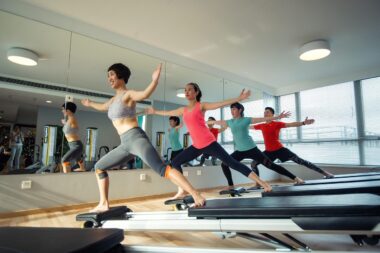
Another common mistake when focusing on flexibility in Pilates is neglecting proper form and alignment. Misalignment during exercises can lead to inadequate stretching of targeted muscles and may introduce stress to other areas. It’s important to pay attention to body posture and alignment throughout each movement, ensuring that your spine remains neutral. Always engage your core while performing stretches, as this provides stability. Creating awareness must become part of your practice routine, and using mirrors to check alignment can be immensely beneficial. Furthermore, listening to your body is an essential aspect of Pilates. If a stretch feels uncomfortable or causes pain, it’s a signal to adjust your position or back off slightly. The goal of any stretch should be to feel tension, not pain. Additionally, practicing consistently with a qualified instructor can guide you in maintaining proper form. During sessions, they can correct any misalignments and offer personalized tips. Consider joining a Pilates class that focuses on flexibility. These sessions are designed to address common pitfalls in a supportive environment, allowing for more significant progress while avoiding mistakes.
Setting Realistic Goals
Setting realistic flexibility goals in Pilates is pivotal for progress. One common mistake is aiming for unrealistic expectations of flexibility. This can generate frustration, leading to inconsistency and potential injury. Instead, it’s beneficial to establish gradual milestones that consider your unique body. Everyone’s body is different, and flexibility varies from person to person. If you’re just starting out, prioritize achievable goals, such as increasing the range in specific movements, rather than simply focusing on a full split or advanced poses. Celebrate minor achievements, as they signify progress and motivation to continue. Additionally, incorporate variety in your flexibility training; mix dynamic stretches with static ones. Dynamic stretches prepare the body for active movements, while static stretches help improve overall flexibility. It’s essential to allow adequate rest to avoid overexertion, contributing to faster recovery. Tracking your progress over time encourages you to appreciate the journey. Consider maintaining a journal to highlight improvements and setbacks. Keeping a record can help you adjust goals accordingly and maintain momentum without unnecessary pressure, proving vital in achieving long-lasting success.
Many individuals attempting flexibility exercises in Pilates may also overlook the importance of breathing techniques. Incorrect or shallow breathing can limit muscle performance, preventing muscles from fully relaxing. Focus on deep breathing to enhance oxygen flow during stretches — this helps muscles relax, improving flexibility over time. Each inhalation and exhalation should be synchronized with movements. For example, breathe in as you lengthen the spine and exhale while lowering into the stretch. To boost your practice, consider practicing mindfulness; during Pilates sessions, remain aware of your breath and how it interacts with your movements. If you find it challenging to maintain a steady breath, pause between stretches to ground yourself. Steady breathing exerts numerous health benefits too; it calms the nervous system and can reduce stress levels. Practicing meditation may also abound within Pilates routines. It cultivates mindfulness, ultimately leading to improved flexibility. The correlation between breath and movement cannot be overstated, particularly in flexibility training. When incorporated effectively, proper breathing can transform your Pilates experience, paving the way for enhanced flexibility and deeper relaxation.
Incorporating Warm-Ups and Cool-Downs
An essential aspect of practicing Pilates for flexibility involves incorporating warm-ups and cool-downs into your routine. Neglecting these crucial elements can lead to stiffness or tight muscles that hinder performance. Warm-ups prepare the body for physical activity by increasing blood flow to muscles and enhancing mobility. Simple dynamic stretches, such as arm circles or leg swings, can help activate key muscle groups before moving into more intensive Pilates routines. Cool-downs serve equally important purposes, allowing muscles to recover after strenuous activity. Ideally, a cool-down should include gentle stretches targeting groups used during your Pilates session. Slow stretches promote recovery by preventing soreness and improving flexibility. Remember to dedicate a minimum of ten minutes for both warm-up and cool-down phases. This short commitment demonstrates a significant improvement opportunity with potential long-term benefits. Additionally, hydration plays a role; drink water before and after your exercises. It ensures the body functions optimally and aids recovery. By incorporating these gradual elements into your routine, you’ll witness significant improvements in flexibility and overall performance during your Pilates practice over time.
Finally, another common mistake practitioners make in Pilates for flexibility is not customizing their routines. Many might follow standard practices without recognizing their unique needs and goals. Not every stretch may benefit every individual, as tailored routines yield better results. Assessing your own body limitations and strengths should be an integral step in creating a flexibility practice. For optimal benefits, include stretches targeting specific areas requiring improvement. Address tight hamstrings, hips, or shoulders based on personal experience. Developing a personalized flexibility routine allows for addressing unique challenges and stimulating more significant progress over time. It would be beneficial to consult with professional Pilates instructors for advice and recommendations to tailor sessions according to your needs. Moreover, consider building a support network, engaging with fellow practitioners seeking similar goals. Together, participants can share tips, progress, and successful practices. Accountability can considerably enhance commitment; participating with others can motivate you to stick with your routine as you witness collective progress. Take this opportunity to explore what works for you personally, as individualization ensures optimal outcomes.
Conclusion
In conclusion, understanding common flexibility mistakes in Pilates can drastically enhance your progress while ensuring you enjoy the journey. Incorporate awareness of body alignment, realistic goal setting, proper breathing techniques, and warm-ups and cool-downs into your practice. Personalizing routines to suit individual needs can further maximize results. Remember that the path to improved flexibility is gradual, and consistency is vital. Overexertion can lead to setbacks or injury over time, so it’s crucial to listen to your body and respect its limits. Focus on quality over quantity, and take pride in every minor improvement, as these signify dedication to your flexibility journey. Engage with qualified instructors and fellow practitioners for additional support and guidance along the way. By adopting mindful practices, customizing goals, breathing correctly, and warming up adequately, you’ll not only avoid common pitfalls but enhance the overall Pilates experience. Embrace the challenge, and enjoy the benefits of greater flexibility as it unfolds. Lastly, commit to your practice with perseverance, never lose sight of your progress, and celebrate your achievements. Every step forward in flexibility contributes to your overall well-being.
Consider documenting your Pilates journey, as it can yield significant insights over time. Each entry serves as a reminder of how far you’ve come, encouraging long-term commitment. Sharing your insights with others can enrich your flexibility journey, fostering community support. Remember, flexibility is not just about achieving advanced positions, but also about overall body wellness. Consistent dedication will bring numerous benefits to your life, including increased mobility, reduced pain, and better posture. Incorporating holistic approaches will enable you to cultivate greater awareness of both mind and body, making every Pilates session worthwhile. Celebrate small victories, knowing they contribute to the bigger picture of your physical health. Challenge your limits in every session—striving for improvement while respecting your body’s signals is key. Flexibility plays an essential role in enhancing quality of life. As you embrace this journey, witness how your commitment transforms your body and mind. Together with Pilates, you can create a healthier lifestyle and enhance overall wellness. Ultimately, approach your flexibility goals with an open heart and explore the transformative power of Pilates.