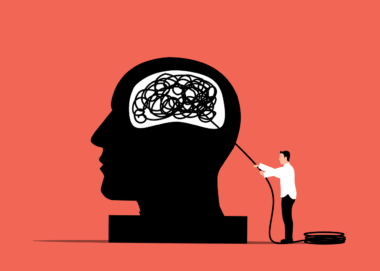

The Importance of Social Connections in Holistic Mental Health
Social connections significantly affect mental health and well-being. Holistic approaches in mental health emphasize the importance of relationships and community support. These connections can provide emotional resources, offering a buffer during stressful times, which can enhance one’s overall mental health. People who maintain strong social ties often enjoy lower levels of anxiety and depression while experiencing a sense of belonging and purpose. Studies suggest that engaged social interaction cultivates resilience, making it easier for individuals to navigate life’s challenges. Furthermore, friendships and supportive relationships may encourage healthier lifestyle choices that contribute positively to mental health. When individuals share their experiences, they can foster a sense of empowerment and reduce feelings of isolation. Supportive relationships can help individuals develop better coping strategies and instill hope. This sense of community becomes essential during difficult times, providing encouragement and understanding. Professionals in mental health advocacy encourage creating and nurturing these connections as part of treatment and prevention strategies. In times of crisis, maintaining these bonds can be critical in achieving optimal mental well-being. When integrated with conventional care, strong social networks can significantly enhance holistic health outcomes and overall life satisfaction.
Incorporating social connections into holistic health approaches requires awareness and active participation. Individuals should intentionally engage in community activities, join support groups, or maintain regular contact with friends. It’s beneficial to prioritize spending quality time with loved ones, as it nurtures emotional bonds. Sharing experiences fosters empathy and understanding, which are fundamental in holistic approaches. Additionally, involving oneself in meaningful volunteer activities can create new connections while reinforcing one’s sense of community and purpose. When individuals contribute to the well-being of others, they also enhance their mental health. Taking part in social hobbies, such as art classes or group sports, can be excellent avenues for building relationships. These interactions not only improve one’s mood but also contribute to cognitive stimulation. Moreover, utilizing technology can help maintain connections, especially for those who may feel isolated. Video calls, social media, and messaging apps facilitate communication, enabling friendships to flourish despite geographical barriers. Professionals in mental health encourage these avenues as methods to create a vibrant social life while endorsing self-care practices that nurture the mind and body. Overall, the emphasis on social connections is vital for achieving optimal holistic mental health and well-being.
The Role of Community in Mental Health
Community plays an essential role in shaping mental health through shared experiences and collective support. Being part of a community provides individuals with a sense of identity and belonging that positively impacts mental well-being. When individuals engage in community events or initiatives, they cultivate relationships that can be protective factors against mental health challenges. These relationships enable sharing of resources, information, and support during difficult times. Moreover, communities can create safe spaces where individuals feel accepted and understood, which is vital for mental health. Engaging in local community efforts allows individuals to connect with others who may have similar experiences. This shared understanding fosters deeper connections that are crucial for emotional support. Community-driven mental health initiatives such as workshops and seminars can educate individuals about the importance of mental health. These programs can demystify mental health issues and reduce stigma, promoting more open discussions. Additionally, having access to community resources allows individuals to seek help easily and encourages them to support one another. By recognizing the importance of community involvement, individuals can enhance their holistic mental health and ensure the well-being of those around them.
Furthermore, specific community activities can deliberately enhance social connections to foster holistic mental health. Activities such as community gardening, book clubs, or fitness classes serve as excellent backdrops for forming friendships. These shared interests can help individuals bond over similar passions, creating a natural environment for fostering connections. Surrounding oneself with like-minded individuals encourages sharing of experiences and feelings, cultivating a sense of understanding. These initiatives further promote overall well-being by providing enjoyable and fulfilling activities, enriching mental health through participation and engagement. Additionally, social events within communities often encourage inclusivity, ensuring that individuals from all walks of life can engage and find commonality. Such platforms can also reduce feelings of loneliness, especially among vulnerable populations. In times of shared experiences, individuals can find a sense of comfort and reassurance, which is vital for fostering hope and resilience. Moreover, establishing strong networks within communities allows for the identification of those in need, enabling proactive support for mental health challenges. Thus, investing in these community activities can yield significant dividends, promoting not just individual well-being but also communal health and happiness.
Online Connections and Mental Wellness
In today’s digital age, online connections play a vital role in supporting mental health. While traditional social interactions are important, virtual platforms offer additional avenues for building relationships. Online communities allow individuals, regardless of geography, to find support groups and communities with shared interests or challenges. These digital spaces often provide anonymity, which can encourage open discussions about struggles that may be difficult to mention in person. Furthermore, social media can serve as a powerful tool for sharing resources and information about mental health, increasing awareness and encouraging individuals to seek help. Engaging online can reduce feelings of isolation and empower those facing similar challenges to connect and support one another. However, it is essential to approach online interactions mindfully due to potential negativity or toxicity in some online spaces. Maintaining balance between online and offline interactions is crucial for holistic mental health. Encouraging face-to-face meetings or engaging in local community activities can complement online connections and enhance well-being. Emphasizing the importance of a balanced approach can lead to healthier engagement with both online and in-person social networks, positively impacting overall mental wellness.
In conclusion, social connections are a vital component of holistic mental health practices. By prioritizing relationships and community involvement, individuals can significantly boost their mental resilience and overall well-being. The emphasis on social ties ensures a well-rounded approach that empowers individuals to thrive despite life’s challenges. Community engagement normalizes discussions about mental health, reducing stigma and fostering a supportive environment. Incorporating social connections into daily practices encourages self-care, resilience, and personal growth. Mental health professionals advocate for strong social networks, emphasizing their role in fulfilling emotional needs. The integration of these connections into holistic approaches can lead to more effective mental health strategies and encourage individuals to take a proactive stance on their well-being. Ultimately, the nurturing of social relationships serves as both a preventative measure and a source of support for those experiencing difficulties. Encouraging individuals to value and enhance their social connections creates a ripple effect, promoting not only individual health but also the overall well-being of communities. As we recognize the importance of these ties, we empower ourselves and those around us to foster profound connections that enrich our lives.
Strategies for Building Strong Connections
Strengthening social connections requires intentionality and effort in today’s fast-paced world. Individuals can adopt various strategies to enhance their social networks and improve their mental health. First, individuals can seek opportunities to meet new people by attending local events, workshops, or community gatherings. Networking events can help cultivate professional relationships, while hobby groups foster personal connections based on shared interests. Additionally, reaching out to acquaintances and making plans, even if it feels challenging, can revitalize faded friendships. Second, improving communication skills is crucial in forging deep connections. Practicing active listening and empathy fosters trust and intimacy in relationships. Effective communication reduces misunderstandings, ensuring that individuals feel heard and valued. Third, establishing regular social routines, such as family dinners or weekly game nights, can strengthen bonds and create meaningful memories. Lastly, considering online platforms such as social media can introduce individuals to new communities while maintaining existing friendships. Engaging with others through shared interests can encourage emotional sharing, leading to stronger connections. By embracing these strategies, individuals can develop richer relationships that enhance holistic mental health and foster a supportive network.
The importance of social connections in mental health cannot be overstated. They act as a protective layer during tough times, providing comfort, understanding, and encouragement when most needed. Moreover, individuals integrated into strong social networks often experience improved mood, reduced stress, and enhanced emotional resilience. Research supports the notion that social connections can alleviate feelings of loneliness or isolation, which are common factors contributing to mental health issues. By engaging with others, individuals can share experiences, advice, and coping strategies, transforming personal struggles into collective support. Importantly, establishing and maintaining friendships requires effort. Individuals need to prioritize their social lives, making time to nurture those relationships. This can include reaching out to friends through phone calls, spending quality time together, or simply checking in to see how someone is doing. By valuing these connections, individuals can create a support system that can withstand the challenges of life. Ultimately, prioritizing social connections not only enhances individual mental health but also uplifts those around them, creating a supportive and harmonious community for everyone involved.