
Short Mindfulness Exercises You Can Do Anytime
In the fast-paced world we live in today, incorporating mindfulness into our daily routines can feel challenging. However, short mindfulness exercises can be incredibly beneficial, even with a busy schedule. These exercises require only a few minutes, and they can help improve your concentration, reduce stress, and enhance your overall well-being. You can perform these exercises virtually anywhere—at your desk, in traffic, or even during a short break. Some effective mindfulness exercises include deep breathing, mindful walking, and brief meditations. Engaging in these practices allows you to reconnect with yourself and navigate your day with greater calm and clarity. Consider integrating mindfulness into your day to foster a more balanced lifestyle and improve mental health. Taking just a few moments to practice mindfulness can transform how you approach challenges and experiences throughout the day. As you begin to incorporate these exercises, you’ll find your ability to manage stress improves significantly. Remember, small changes can lead to profound shifts in your perception and response to everyday situations.
One of the simplest mindfulness exercises you can practice is deep breathing. Take a moment to find a comfortable position, either sitting or standing. Close your eyes gently and inhale deeply through your nose for a count of four, hold that breath for a count of four, then exhale slowly through your mouth. Repeat this process for several cycles, focusing entirely on your breath. Feel how your body expands with each inhale and softens with each exhale. This practice centers your mind and helps you cultivate present-moment awareness. Aim to practice deep breathing for approximately five minutes whenever you feel stressed or overwhelmed. It can be especially helpful during hectic workdays or demanding situations. Additionally, practicing deep breathing before important meetings can help clear your mind and improve your focus. Integrate this simple exercise into your routine, and you’ll notice a significant difference in your ability to remain calm and centered. In today’s busy world, these few moments of mindful breathing have the potential to transform your experience, enabling you to navigate each day with tranquility.
Another effective mindfulness exercise is mindful walking. This practice allows you to cultivate awareness while engaging in a simple activity that many of us do regularly. To begin, choose a quiet place where you can walk without distractions. As you start to walk, focus on the sensations of your feet touching the ground and the rhythm of your breath. Notice the movements of your body as you walk and the environment around you. Engage your sense of touch, sight, and sound, becoming fully aware of your surroundings. Observe the colors, the sounds of nature, and the feeling of air against your skin. During this exercise, aim to let go of any distracting thoughts and focus solely on the experience of walking. If the mind wanders, gently redirect your attention back to the present moment. Walking mindfully for just ten minutes can significantly enhance your concentration and reduce anxiety levels. Consider taking mindful walks during your breaks to recharge and refresh your mind. This practice not only reduces stress but also allows you to enjoy the beauty of your surroundings.
Meditation Practice Anywhere
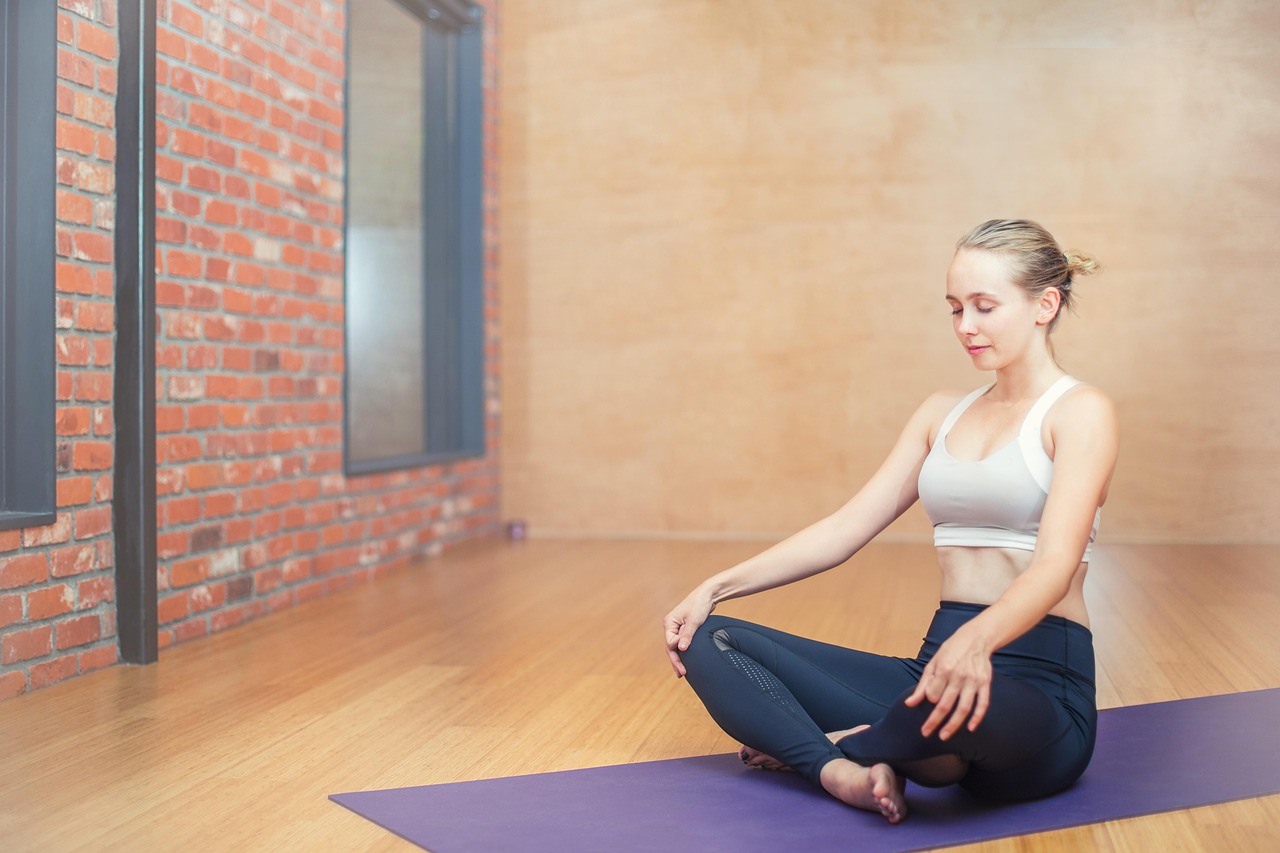
Meditation is another powerful tool for enhancing mindfulness, even if you have little time to devote to it. You can practice short meditations virtually anywhere and at any time, which makes it a perfect fit for busy lifestyles. To engage in a quick meditation, find a quiet spot to sit comfortably. Close your eyes and focus on your breath, following each inhale and exhale. If your thoughts begin to wander, gently bring your focus back to your breath without judgment. Aim for a meditation session of five minutes. Over time, you can gradually extend the duration. Incorporating this exercise into your daily routine can help you cultivate a habit of mindfulness and presence. Even just a few minutes of meditation can help quiet your mind, reduce stress, and improve emotional regulation. Consider scheduling a regular time for meditation, whether in the morning, during lunch, or before bedtime. Creating a routine around meditation will help strengthen your commitment to practicing mindfulness throughout your busy days.
Progressive muscle relaxation is another mindfulness exercise that works wonders for busy individuals. This practice promotes relaxation by systematically tensing and then relaxing different muscle groups throughout your body. Start at your feet, tensing the muscles for about five seconds as you inhale, then relaxing them as you exhale. Gradually move up your body, incorporating your calves, thighs, abdomen, arms, and finally your shoulders and neck. By the time you reach the top of your head, you should feel significantly more relaxed and centered. Practicing progressive muscle relaxation can be especially effective after a long, stressful day at work or following a demanding week. It helps you recognize areas of tension and release them, instilling a greater sense of calm and awareness. Try practicing this technique for about ten minutes—perhaps even utilizing it as a before-bedwind-down exercise. This practice not only enhances mindfulness but also promotes better sleep quality by creating a peaceful state before bedtime.
Visualization techniques can also enhance your mindfulness practice. Use your imagination to picture a serene and peaceful environment that evokes a sense of tranquility. Close your eyes and imagine every detail—colors, sounds, and smells—in that perfect, calming space. Spend a few minutes visualizing yourself in that designated environment. You might envision yourself on a quiet beach, beneath a leafy tree in a serene forest, or even at your favorite park. Whenever you’re feeling stressed, take a moment to access the tranquility that comes with your visualization. This exercise can effectively ground you and improve your mental clarity, especially in chaotic work environments. Visualization helps you cultivate a stronger sense of presence and awareness throughout the day. Engaging in this practice regularly allows you to develop a personal tool for coping with stress and anxiety. Dedicate a few minutes each day to this visualization exercise, whether at your workspace or during your downtime, to promote a greater connection with yourself.
Conclusion
Incorporating short mindfulness exercises into your daily routine can yield significant benefits for your mental and emotional well-being. Whether it’s through deep breathing, mindful walking, meditation, progressive muscle relaxation, or visualization, these techniques offer ways for busy individuals to reconnect with themselves. Each of these practices can be performed in just a few minutes, making them accessible even in the most hectic schedules. As you begin to integrate these exercises into your daily life, aim to be consistent and patient with yourself. Developing mindfulness requires practice and commitment, but the advantages are worth the effort. You may find that these moments of mindfulness enhance your focus, reduce anxiety, and cultivate a deeper connection to your life. Remember, every small step you take toward mindfulness is a step toward a more balanced and fulfilling life. As you embrace these exercises, you’ll not only improve your own well-being but also cultivate a sense of peace and calm that radiates into your daily interactions. Start your journey toward a more mindful lifestyle today.