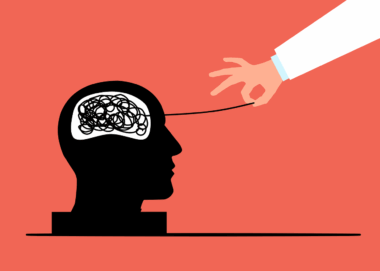

Motivation and Mental Health: Staying Active with Chronic Disease
Chronic diseases can present significant challenges to physical activity. Individuals often feel overwhelmed by their diagnosis, leading to a decrease in motivation. However, staying active is crucial for mental health. Physical activity stimulates the release of endorphins, which can enhance mood and reduce anxiety levels. To overcome these challenges, consider setting small, achievable goals. Joining support groups can help. Connecting with others who share similar experiences can foster motivation. Finding enjoyable forms of exercise is key. Activities like swimming, yoga, or walking can be beneficial. Additionally, establishing a routine can make these activities a regular part of life. Track your progress, no matter how small, to encourage persistence. Celebrate small victories to reinforce positive behaviors. Reach out to healthcare professionals for tailored advice. They can provide guidance on safe exercises suitable for specific conditions. Stay informed about your illness, as knowledge empowers decisions. Regular check-ins with a physician can provide insights into how your body responds. Each day presents an opportunity to improve both physical and mental well-being.
The Importance of Mindfulness in Chronic Illness
Mindfulness practices can greatly enhance motivation for individuals with chronic illness. Being present in the moment helps reduce stress, which can often hinder physical activity. Techniques such as meditation, deep breathing, and progressive muscle relaxation have shown promise in improving mental health. A consistent mindfulness practice enables individuals to address negative thoughts that may arise from living with chronic disease. These thoughts often lead to decreased motivation and poor coping strategies. When practicing mindfulness, focus on understanding your body and its signals. This awareness can foster a more compassionate relationship with oneself. Use journaling to reflect on daily experiences and emotions. Writing can clarify thoughts and enhance emotional processing. Incorporating mindfulness into exercise routines can also be beneficial. For example, during a gentle yoga session, focus on each movement and breath. Setting aside time for mindfulness daily enhances resilience and promotes better decision-making regarding health choices. Remember, every individual’s journey with chronic illness is unique. Tailor mindfulness exercises to fit personal preferences and lifestyles. Over time, these practices can become powerful motivators for maintaining an active lifestyle.
Building a Support System
Establishing a solid support system is essential for staying motivated. The journey of managing chronic illness can be isolating, making emotional support crucial. Family and friends often play a vital role, but reaching out to others having similar experiences can prove invaluable. Online forums and social media groups allow individuals to connect deeply. These platforms provide a space to share triumphs, seek advice, or vent frustrations. Consider joining local community groups focused on chronic illness or fitness. Here, members can share tips, arrange group workouts, or provide encouragement. Combining efforts with others can also introduce new activities that one may not have tried alone. For instance, if someone in the group enjoys hiking, it offers an opportunity to explore nature while exercising. Furthermore, having an accountability partner can be a game changer. This person can help individuals commit to their fitness goals, participate in activities, or simply check in regularly. The strength of a support system lies in mutual encouragement and shared experiences, which can uplift spirits. It’s vital to recognize that everyone struggles, and together, we can foster resilience.
Adopting a positive mindset can transform the relationship with chronic disease. Facing daily struggles may be daunting; however, positivity can create meaningful change. Start by identifying personal motivations for staying active. This can range from improving physical health to enhancing mental well-being. Focusing on these motivations reinforces the intention behind activities. Surround yourself with positive influences, from motivational quotes to uplifting podcasts. Seek out stories of others triumphing over similar challenges. Visualization techniques can be powerful in mental conditioning. Imagine achieving physical activity goals, leading to increased confidence and ambition. Be patient and forgiving with yourself. There may be days when motivation wanes, and that’s okay. Acknowledge these feelings without self-judgment. Incorporate fun and spontaneity into workouts by trying different exercises, classes, or sports. It helps break monotony and keeps motivation alive. Moreover, discovering how certain exercises affect mood can deepen one’s desire to stay active. Create a playlist of motivating music to accompany workouts. Celebrate your commitment at each stage, nurturing a culture of self-encouragement. Focus on progress rather than perfection, allowing for a sustainable approach to fitness.
Nutrition plays a role in motivation and overall mental health for those with chronic diseases. Eating a balanced diet rich in nutrients can significantly improve energy levels and mood. Processed foods may exacerbate symptoms and can lead to fatigue. Opt for whole foods such as fruits, vegetables, lean proteins, and whole grains, which fuel both body and mind. Incorporating anti-inflammatory foods can also be beneficial. Examples are berries, fatty fish, and leafy greens. Staying hydrated is equally crucial; water consumption helps regulate bodily functions and maintain energy. Consider meal planning to ensure nutritious options are readily available. Creating a structured eating plan can reduce the temptation to choose unhealthy snacks during low-energy times. Engage in cooking as an enjoyable activity; experimenting with new recipes can ignite creativity. Moreover, sharing meals with family or friends can enhance social connections and motivation. Remember to listen to your body’s signals. It’s vital to understand what foods energize or drain you. Tracking your food intake may reveal patterns and assist in making informed dietary decisions. Ultimately, good nutrition supports both physical activity and mental health.
Goal setting is an integral part of maintaining motivation while managing chronic illness. Setting specific, measurable, achievable, relevant, and time-bound (SMART) goals provides direction. Instead of vague intentions, outline concrete steps towards achieving fitness objectives. For example, instead of aiming to “exercise more,” set a goal to walk for 30 minutes three times a week. Break down larger objectives into smaller, manageable milestones; this way, each accomplishment feels rewarding, promoting further motivation. Regularly assess and adjust these goals according to your progress. It’s essential to remain flexible and adapt to changing circumstances or energy levels. Create a visual tracking system, such as a calendar or app, to mark achievements and stay accountable. This may be in the form of stickers or progress photos to provide a sense of accomplishment. Incorporate both short-term and long-term goals, as both serve different purposes for motivation. Short-term goals give immediate satisfaction, while long-term goals foster a sense of purpose. Share your goals with friends or family to create support and accountability. Celebrating reaching goals, regardless of size, reinforces positive behavior and enhances overall well-being.
Lastly, understanding and accepting the fluctuations in energy levels is crucial. Chronic illnesses often lead to unpredictable days where motivation may be lacking. Recognizing that this is a normal part of living with such conditions fosters self-compassion. Allowing oneself to rest is equally important as staying active; both are components of a healthy lifestyle. Developing a flexible exercise routine can accommodate varying energy levels. On low-energy days, opt for lighter activities like stretching or relaxation yoga, while reserving more intense workouts for high-energy days. Tracking energy fluctuations can clarify patterns and help in planning activities accordingly. Consider scheduling breaks throughout physical activity to prevent fatigue. This, in turn, can enhance the overall exercise experience. Focus on listening to your body and identifying its needs at any moment. Incorporating restorative practices, like tai chi or gentle movement, can nourish mental health during challenging times. Ultimately, embracing this flexible approach encourages consistent effort without overwhelming oneself. Accept that motivation will ebb and flow, but the goal is to maintain resilience and find balance in an ever-changing journey with chronic illness.
Chronic diseases can present significant challenges to physical activity. Individuals often feel overwhelmed by their diagnosis, leading to a decrease in motivation. However, staying active is crucial for mental health. Physical activity stimulates the release of endorphins, which can enhance mood and reduce anxiety levels. To overcome these challenges, consider setting small, achievable goals. Joining support groups can help. Connecting with others who share similar experiences can foster motivation. Finding enjoyable forms of exercise is key. Activities like swimming, yoga, or walking can be beneficial. Additionally, establishing a routine can make these activities a regular part of life. Track your progress, no matter how small, to encourage persistence. Celebrate small victories to reinforce positive behaviors. Reach out to healthcare professionals for tailored advice. They can provide guidance on safe exercises suitable for specific conditions. Stay informed about your illness, as knowledge empowers decisions. Regular check-ins with a physician can provide insights into how your body responds. Each day presents an opportunity to improve both physical and mental well-being.