
Magnesium’s Role in Supporting Immune Health During Cold and Flu
Magnesium is an essential mineral that plays a vital role in numerous bodily processes, including immune function. During the winter months, colds and flu become more prevalent, making it crucial to maintain a robust immune system. Magnesium significantly supports the immune system by promoting cellular function. It helps in the production of various immune cells, including lymphocytes and macrophages, which are essential for defending the body against pathogens. Furthermore, magnesium is involved in the synthesis of antibodies that help combat infections. Low magnesium levels can lead to a weakened immune response, increasing the risk of contracting illnesses like colds and flu. Therefore, maintaining adequate magnesium intake is critical to ensure optimal immune function. Foods rich in magnesium include leafy green vegetables, nuts, seeds, and whole grains. Supplementing magnesium may also be beneficial, especially during cold and flu season when dietary intake may be insufficient. Adults should aim for a daily intake of approximately 400-420 mg for men and 310-320 mg for women to support overall health effectively. These measures can lead to better resilience against seasonal illnesses and improve recovery times if an illness occurs.
The Impact of Magnesium Deficiency
Magnesium deficiency can have significant consequences on immune health, especially during cold and flu outbreaks. When magnesium levels drop, the immune system becomes vulnerable, making it less effective in fighting off infections. This deficiency can occur due to inadequate dietary intake, certain medical conditions, or increased physiological demands, particularly stressful periods or illness. Individuals experiencing chronic stress may find their magnesium levels depleted faster, which can lead to immune dysfunction. Furthermore, low magnesium levels may result in elevated inflammatory markers, promoting an environment conducive to infections. This inflammatory response can hinder the body’s ability to recover from illnesses like colds and flu. Recent studies suggest that individuals with higher magnesium intake exhibited lower rates of respiratory infections and improved immune responses. Therefore, addressing magnesium deficiency should be a priority for anyone looking to bolster their immune defenses. Including magnesium-rich foods in the diet or considering supplements can help improve overall health. Regular check-ups with healthcare providers can also ensure that potential deficiencies are identified early, allowing timely interventions to support the body’s immune capabilities effectively during the cold and flu season.
Magnesium’s role extends beyond just enhancing immune responses; it also influences stress management and sleep quality, both of which are crucial during colds and flu seasons. Stress tends to elevate cortisol levels, which can suppress the immune system, leaving individuals more susceptible to illness. A diet rich in magnesium can help mitigate stress and promote relaxation. Additionally, magnesium is known to enhance sleep quality, which is essential for optimal immune function. During illness, the body requires extra rest to recover and heal effectively. Without proper sleep, immune responses may slow down, prolonging illness duration. Therefore, ensuring adequate magnesium levels can promote better sleep, reducing the time spent suffering from colds and flu symptoms. Incorporating magnesium supplements or foods such as dark chocolate, avocados, or bananas can improve sleep quality and support the body’s recovery efforts. Furthermore, magnesium acts as a natural muscle relaxant. This benefit can alleviate muscle tension often associated with colds and flu. Including magnesium in your diet can enhance overall wellness, enabling better immune response and recovery through improved rest and reduced stress. Thus, it is essential to prioritize magnesium for better health during vulnerable periods.
Choosing the Right Magnesium Supplement
When looking to improve your magnesium intake, selecting the right supplement is important. There are various forms of magnesium supplements available, including magnesium citrate, magnesium oxide, and magnesium glycinate, each directly impacting its absorption and efficacy. Magnesium citrate is well-absorbed and can help with digestive issues, making it a popular choice for supplementation. Magnesium glycinate is often recommended for those who require better tolerance and absorption; this form is gentle on the stomach and helps improve sleep quality. For individuals looking for a more cost-effective option, magnesium oxide can be considered, although its absorption may be lower. It’s also essential to speak with a healthcare provider to determine the most appropriate form and dosage based on individual needs and health conditions. They can help identify potential interactions with medications and assess overall magnesium levels through blood tests. Remember that while supplements can provide a boost, they should complement a well-rounded diet rich in magnesium-containing foods. This holistic approach ensures optimal immune health, especially during the cold and flu season, harnessing the many benefits associated with adequate magnesium intake.
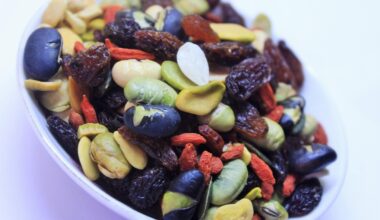
Incorporating magnesium-rich foods into your diet is an excellent way to further support immune health during cold and flu season. Dietary sources of magnesium are plentiful and diverse, making it relatively easy to enhance your intake. Leafy greens such as spinach and kale, nuts and seeds like almonds and pumpkin seeds, and whole grains are outstanding sources of magnesium. Additionally, legumes, avocados, and dark chocolate are also excellent options for increasing magnesium intake. By ensuring a varied diet, individuals can not only support their immune system better but also guarantee an array of nutrients essential for overall health. Furthermore, a balanced diet rich in various vitamins and minerals can help synergistically boost immunity. For optimal benefits, aim to combine magnesium-rich foods with other nutrients, such as vitamin C and zinc, known for their immune-boosting properties. Exploring new recipes or meal plans that highlight these foods can add excitement and variety to your diet while focusing on your health. This proactive approach will efficiently fortify your body against the dangers of colds and flu, leading to a healthier, more robust immune system ready to combat seasonal illnesses.
Conclusion: Emphasizing Magnesium for Health
The importance of magnesium in supporting immune health cannot be overstated, particularly during the cold and flu season. Maintaining adequate magnesium levels helps bolster the immune system, improve sleep quality, and reduce stress, all of which are essential for fighting off infections. By choosing the right supplements or enhancing dietary magnesium through foods, individuals can significantly improve their health. Consulting with healthcare professionals can further ensure personalized strategies for incorporating magnesium into one’s lifestyle. As part of a holistic approach to health, magnesium should be viewed as a key player in safeguarding immunity during critical times of the year. By understanding the benefits this essential mineral brings and making informed choices, individuals can fortify their immune defenses, promote quicker recovery when illness strikes, and ultimately lead a healthier life. Ensuring sufficient magnesium intake, whether through diet or supplements, is a simple yet effective strategy to enhance overall well-being and resilience against seasonal challenges like colds and flu. So, prioritize magnesium and embrace healthier habits; your immune system will thank you!
Making magnesium a priority in your health strategy can set you on the right path towards greater resilience against seasonal illnesses. To summarize, magnesium supports immune function, helps manage stress, and contributes positively to sleep quality, all of which can influence recovery and prevention of colds and flu. Therefore, recognizing the importance of this mineral and taking active steps, whether through dietary changes or supplementation, can lead to improved health outcomes. As flu seasons approach, consider assessing your magnesium levels and making necessary adjustments to your daily routine. Such proactive measures help ensure your body is equipped to handle the stresses of colds and flu more effectively. Simple changes like incorporating magnesium-rich foods, consulting with healthcare professionals, and potentially using supplements can make a significant difference in overall health. Continuously focusing on a balanced diet and proper nutrient intake will yield positive outcomes in health and immunity. Engage in healthier lifestyle choices and witness the remarkable impact magnesium can have during cold and flu season. By prioritizing your well-being through magnesium, you empower yourself to better combat the challenges that arise during these illness-prone months.