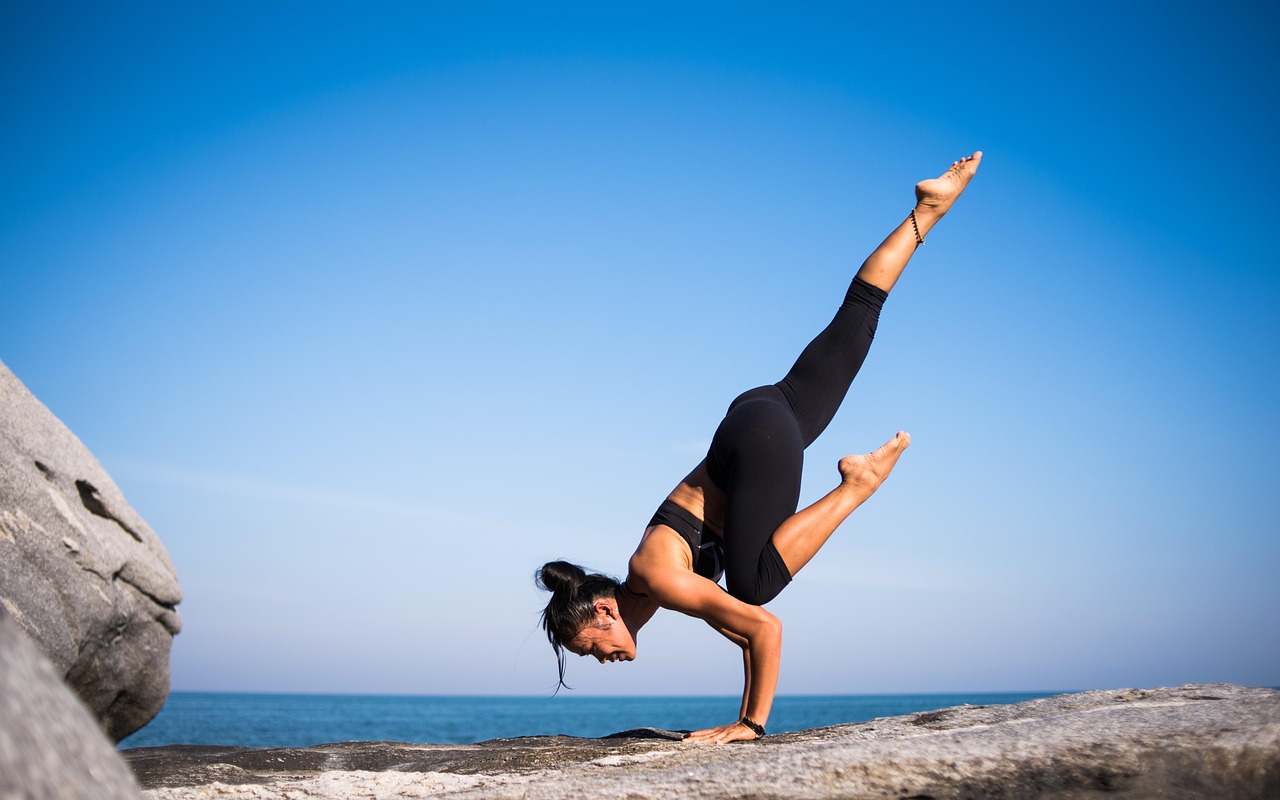

How to Measure Progress in Balance Training
Measuring progress in balance training is vital for ongoing improvement in athletic performance and daily activities. Accurate assessment helps identify weaknesses and strengths, facilitating tailored training programs. Initially, it’s crucial to establish a baseline by documenting the current balance capabilities through standardized tests. Tests such as the single-leg stand, balance beam walks, and stability ball exercises can be useful. These benchmarks allow for tracking advancements effectively over time. Consistently practicing these drills encourages increased stability, which translates to enhanced overall performance. Another aspect is to incorporate balance challenges that progress in difficulty. Techniques could include reducing the surface area of standing, increasing the duration, or introducing movements that require multi-directionality. This variation stimulates the muscles and the nervous system, promoting agility, stability, and coordination. Regularly re-evaluating performance and reassessing the methods used will optimize your training approach. Utilizing technology, such as balance boards and assessment applications, can provide more precise feedback. Keeping detailed records of your training journey will serve as a motivational tool, showcasing growth among all measurable factors. Regular reviews and adaptations ensure your balance training remains effective and challenging to continue your improvement.
Another useful method for measuring progress in balance training is by utilizing qualitative metrics alongside quantitative assessments. This can involve subjective feedback from trainers or personal reflection on performances during balance drills. Participants could identify specific challenges such as difficulty maintaining balance during complicated movements. Keeping a training journal to record these insights may assist in setting realistic goals for future workouts. Revisiting previous assessments can provide clarity on specific improvements noted from earlier records. Engaging with various balance-enhancing exercises will keep motivation levels high and prevent monotonous training patterns. Additionally, exploring methods such as incorporating feedback from video analysis can yield valuable insights. Watching recorded evaluations of your balance drills can reveal areas requiring more focus. Comparing different attempts provides visual feedback that is essential for making necessary adjustments in technique. Balance training isn’t limited to stationary work; it also extends to dynamic exercises. Incorporating tools, such as foam pads or BOSU balls, increases instability, challenging the body’s proprioception and improving reaction times. As progress occurs, revising training protocols will reinforce a focus on targeted areas that require refinement. Flexibility in approach should remain a priority for enhancing overall balance stability.
Utilizing Assessment Tools
Utilizing various assessment tools specifically designed for balance training can vastly improve the measurement of progress throughout your training regimen. Commercially available devices, including stability platforms and accelerometers, allow for precise measurements of weight distribution and center of gravity. This data can be crucial in interpreting how well an individual performs balance activities. Moreover, performing assessments regularly can yield valuable insights. Conducting these evaluations in controlled environments ensures consistency, enabling valid comparisons over time. For more comprehensive assessments, integrating clinical tests such as the Berg Balance Scale may highlight areas needing improvement. It is essential to involve professional trainers or therapists when utilizing advanced assessments to ensure accurate interpretation of results. Further, assessing balance in conjunction with strength and flexibility can present a clearer picture of overall physical readiness. Utilizing well-rounded metrics ensures enhanced understanding of one’s balance abilities while addressing potential areas of concern. With technology increasingly advancing, numerous apps can track progress, visually displaying developments over time through graphs and charts. Using both qualitative and quantitative metrics creates a holistic approach to evaluating balance training effectiveness, helping to identify which methods yield the best results for continued improvement.
In addition to structured assessments, observing the practical application of balance skills in real-life scenarios can serve as a significant progress indicator. This involves monitoring performance during specific sports-related tasks or daily activities, which highlights the actual benefits of balance training. For example, individuals may notice improved confidence while navigating uneven terrain or during complex footwork drills in sports. Recording observations during these activities can solidify the importance of balance training in enhancing coordination and functional strength. Additionally, implementing immediate feedback from trainers can add an extra layer of improvement during routine assessments. Their insights can guide modifications, ensuring training remains relevant and adaptive to changing needs. Incorporating community feedback can reveal unique perspectives, identifying issues that individuals might overlook when evaluating their progress. Social reinforcement through group training settings encourages motivation and promotes accountability. As participants observe peers experiencing similar challenges, mutual support arises, fostering a collaborative environment for collective improvement. Emphasizing inclusive activities strengthens not only individual balance skills but also camaraderie among participants, leading to a more enjoyable training experience while recognizing active progress achieved unit by unit.
Progressive Overload in Balance Training
Employing the principle of progressive overload is key to measuring and enhancing balance training outcomes effectively. To achieve continued improvements, individuals must expose themselves to increasingly challenging exercises. For instance, starting with basic static positions will gradually shift towards dynamic or plyometric activities that significantly demand core stability. Creating a systematic approach involving progressive elements ensures continual growth in balance capabilities. This may include modifying the range of motion, duration, repetition, or the complexity of the underlying movements. Regularly increasing demand can stimulate neuromuscular adaptation, promoting enhanced balance through this form of challenge. Moreover, keeping track of how balance difficulties evolve over time provides insight into physical changes. Individuals can note achievements in terms of performance, such as maintaining posture during advanced positions. Setting micro-goals tied to progressive overload ensures motivation remains high throughout the training process. Periodic reassessment allows individuals to reflect on personal achievement, recognizing the growth while simultaneously challenging themselves for future accomplishments. By incorporating progressive overload, key elements of resilience and strength emerge, positively impacting overall body mechanics in balance activities and functional fitness routines for numerous individuals.
Feedback mechanisms are imperative for charting progress in balance training, allowing individuals to gain awareness of their strengths and areas for development. Having an accountability partner can significantly enhance this process, creating a supportive environment for sharing insights. This collective analysis encourages reflection on past performances, driving ongoing progress through shared experiences. Furthermore, wearable technology, such as smartwatches, can assist in tracking metrics relevant to balance training. Monitoring heart rate and calorie expenditure during specific drills provides additional information about overall efficacy and endurance. This added dimension supplements traditional assessment tools and adds quantitative measures for evaluation purposes. Even app developments focused on balance training can offer notifications, reminders, and structured progress timelines. These modern tools keep participants engaged in their training consistency, permitting ongoing motivation. Utilizing these integrations paves the way for streamlined progress evaluation, establishing accountability measures crucial for success. Additionally, themed group sessions focused on specific balancing objectives enhance social engagement while driving collective improvement. Incorporating game dynamics can foster excitement and support, encouraging participants to push themselves further while enjoying the training process, illustrating progress effectively. Reviewing strategies implemented will ensure continual enhancement throughout the journey toward improved balance.
Conclusion: The Importance of Exclusive Assessment
In conclusion, advanced measurement strategies are essential for successful balance training and improvement. A well-rounded plan that integrates qualitative assessments, technology, and progressive overload is fundamental for lasting success. Documenting experiences, both objectively and subjectively, enables the individual to visualize their journey while reinforcing commitment and motivation. Engaging with professionals ensures that participants receive insightful feedback during the training process. Continuous reflection on both successes and challenges creates a more immersive experience, allowing for strategic adaptations to existing programs. Furthermore, making use of technology enhances accessibility, driving interest in balance training. Personalized pathways help participants take ownership of their balance journey, promoting accountability and responsibility throughout their development. Utilizing various methods establishes a multi-modal approach allowing flexibility to cater to changing needs. Celebrating both minor and major milestones fosters a positive outlook on the pursuit of fitness through balance training. The ultimate goal remains to cultivate functional, practical skills that enhance the quality of life and sporting performance through balance improvement. Each progressive step brings value, enriching lives while propelling individuals toward maintaining a balanced, active lifestyle in everyday activities.
Enhancing balance capabilities not only improves sports performance but also significantly contributes to overall physical wellness. Addressing potential weaknesses through targeted training maximizes coordination, balance, and functional fitness for various age groups. As individuals translate their training progress into practical life skills, the benefits of balance drills become clear. More inherent stability may lead to fewer injuries and increased confidence levels during physical activities. Engaging in balance training creates a foundation for achieving higher goals in fitness. As well, promoting awareness among more individuals about the importance of balance training in their routines becomes a necessity. Ultimately, progress in balance training cultivates resilience and fortitude, enriching lives by promoting a commitment to lifelong health and wellness.