
CrossFit Powerlifting and Functional Fitness: A Perfect Match
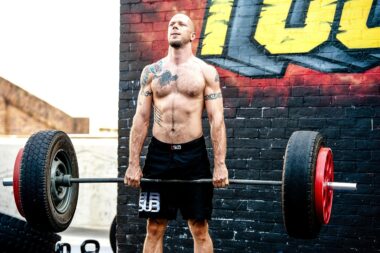
Combining CrossFit powerlifting with functional fitness offers numerous benefits for athletes seeking overall performance enhancement. This unique fusion not only builds strength but also prevails in improving agility, endurance, and flexibility. The versatility of combining these two disciplines allows individuals to tailor their workouts according to their specific goals. Athletes can focus on specific strength targets while also emphasizing functional movements that transfer to everyday activities. In addition, this blend helps in preventing injuries, as functional training emphasizes proper biomechanics and movement patterns. This intricacy serves as a safety net for athletes, enabling them to push their limits while maintaining their health. Incorporating this variety leads to well-rounded physical fitness, a vital factor in competitive sports. This focus on all-around development is essential for athletes participating in various events. Furthermore, CrossFit powerlifting integrates a fun, community-based atmosphere, allowing individuals to train together. This camaraderie can foster greater motivation and accountability during workouts, resulting in enhanced discipline and commitment to training routines. Ultimately, the cross-pollination between powerlifting and functional fitness presents a holistic approach to physical conditioning.
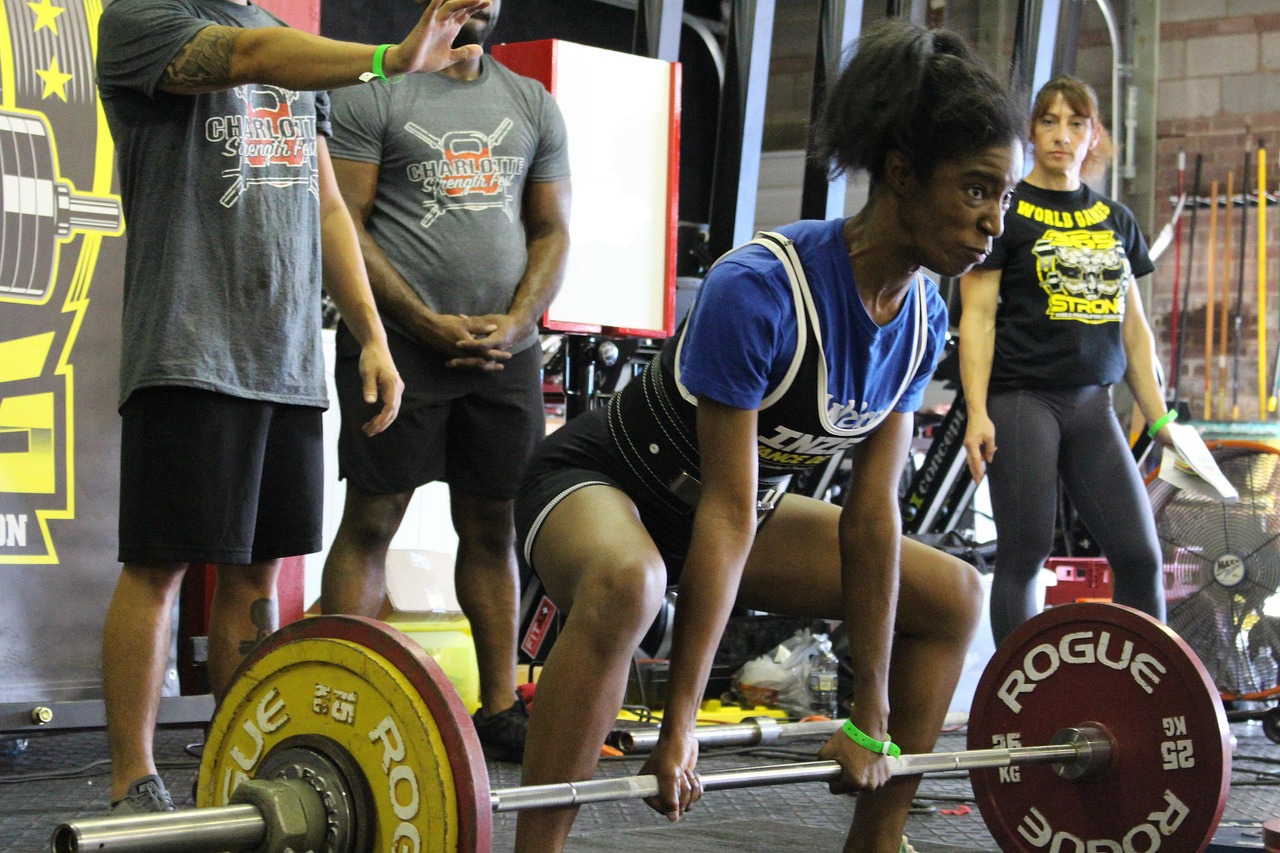
The unique approach of CrossFit powerlifting integrates various aspects that foster athletic progression. It emphasizes strength training elements seen in traditional powerlifting, but with an additional layer of dynamic movements. Unlike conventional weightlifting routines that might focus solely on maximum strength output, this program includes a variety of exercises. These change frequently to keep workouts engaging and challenging. Athletes will find themselves performing a range of functional movements that mimic real-life activities. Incorporating Olympic lifts, squats, deadlifts, and presses, the routine encourages the development of overall strength and functional ability. Balancing strength and conditioning reduces the risk of developing muscle imbalances and enhances joint stability. This symmetry is crucial for longevity in athletic endeavors. The aim is not solely to excel in powerlifting competitions but also to develop an athlete’s all-around capabilities. Moreover, athletes take advantage of a vibrant community that thrives on shared learning, motivation, and competition. In turn, this supportive environment often provides the drive needed to push beyond individual limitations. Overall, the combination of explosive and strength-based movements offers a comprehensive path towards fitness while keeping routine exciting.
Strength training is essential for enhancing performance in various sports and everyday activities. CrossFit powerlifting emphasizes the importance of building substantial muscular strength. It’s necessary for successful execution of functional fitness exercises, which require core stability, joint integrity, and muscular endurance. This integration offers vast advantages to athletes, making them more prepared to attain their goals. Through consistent training, individuals gain improvements in their overall body mechanics. The result is enhanced athletic performance, reduced chances of injury, and improved physical resilience. Additionally, powerlifting-focused training enables diverse engagement in movements that challenge dynamic stability. Recognizing the role of strength in functional tasks cannot be overstated. Likewise, functional fitness exercises, such as kettlebell swings and box jumps, endorse strength-building principles, emphasizing activation of multiple muscle groups. Athletes can measure progress, ensuring they focus on gains that are attainable while fostering overall health. CrossFit’s community setting encapsulates the competitive spirit inherent in powerlifting while encouraging shared motivation. Thus, the synergy created by these two approaches becomes clear. Both powerlifting and functional fitness complement each other perfectly, paving the way for an enjoyable exercise journey.
Essential Components of Training
Effective CrossFit training incorporates key components essential for maximizing results. These elements form the foundation of any successful fitness program. First and foremost, engaging in compound movements is paramount. Compound exercises involve multiple joints and muscle groups working simultaneously, leading to time-efficient workouts. Secondly, ensuring workout variability prevents boredom and stagnation while promoting adaptation. Diverse training methods keep athletes physically and mentally engaged. Moreover, regular assessment of performance metrics helps track progress accurately, allowing for necessary adjustments to training plans. Athletes should focus on mastering fundamental movements before advancing to complex variations. Practicing proper form and technique reduces injury risk significantly. A strong emphasis on mobility and flexibility training also cannot be overlooked, as it increases range of motion. Adding mobility work improves athletes’ overall functional capacity, which can benefit sports performance. Nutrition plays a vital role in support of an athlete’s regime. A balanced diet ensures fuel for intense training, recovery, and muscle repair. Last but not least, fostering a strong mental attitude is crucial. Cultivating discipline and grit leads to persistence, making it essential to success in any fitness endeavor.
The recruiting of different muscle groups during workouts sets CrossFit powerlifting apart from traditional routines. This function not only builds overall strength but also enhances muscular endurance. When powerlifting movements blend with functional exercises, athletes become more versatile. Versatility translates into improved performance in various physical activities extending beyond workouts. Targeting specific objectives effectively assists in achieving athletes’ holistic fitness goals. Additionally, specific training modalities allow practitioners to develop explosive power, crucial for athletic speed and agility. Integrating movements like power cleans or snatches fosters adaptability in skill sets. This cross-disciplinary synergy builds a strong foundation for various functional tasks encountered in daily life. Furthermore, combining strength and cardiovascular conditioning embody the ultimate balance in fitness routines. Such practices promote sustainable weight management. Research indicates that incorporating both strength and conditioning into training leads to more significant fat loss than either type of exercise in isolation. Athletes can revel in achieving individual goals not only for aesthetics but overall fitness development. Elevating beyond traditional powerlifting principles results in a healthier, more agile athlete. Ultimately, embracing diversity in training leads to fulfilling, enjoyable workouts.
Benefits of CrossFit and Powerlifting Synergy
The partnership between CrossFit and powerlifting delivers numerous benefits, allowing for the holistic development of athletic capabilities. Enhanced strength and power output are significant advantages that athletes experience from this synergy. Integrating both training modalities fosters improvements in functional movement patterns. Individuals become more adept in everyday tasks while developing muscular strength simultaneously. Moreover, this partnership enhances mental attributes, such as focus and determination, crucial for achieving fitness goals. The competitive atmosphere characteristic of CrossFit encourages athletes to push personal limits while celebrating community achievements. This aspect creates an environment filled with enthusiasm and support, making training enjoyable and motivating. Furthermore, athletes learn to appreciate teamwork dynamics, often establishing bonds with fellow trainees that stimulate accountability and drive. Progress made by individuals in a group setting inspires a positive feedback loop that keeps everyone engaged. The combined approach of CrossFit powerlifting creates not just physically stronger athletes but cultivates resilience and positivity. Additionally, the diversity of exercises utilized within these programs allows individuals to develop a versatile skill set. Versatility translates to improved performance across a variety of competitions and tasks, boosting overall athleticism.
While CrossFit powerlifting emphasizes strength and conditioning, recovery practices should also be a key component of training regimens. Recovery is essential for optimizing performance and preventing injuries. Engaging in active recovery routines involves low-intensity workouts that promote circulation. Techniques like yoga and foam rolling can effectively enhance flexibility and soreness relief. Additionally, adequate nutrition and hydration bolster recovery processes, ensuring muscles repair and grow efficiently. Athletes must prioritize quality sleep as well, which plays a significant role in effective recovery. Furthermore, taking intentional rest days empowers athletes to recharge mentally and physically. Goal-oriented athletes often suppress the necessity of recovery in pursuit of improvements. Nevertheless, adequate recovery represents a critical framework for sustainable progress, ensuring consistency in training practices. This strategy not only helps alleviate fatigue but enhances performance during intense training sessions. By integrating recovery principles, athletes foster longevity in their fitness pursuits, leading to sustained success. Moreover, integrating mental relaxation and meditation techniques can further enhance recovery. This holistic approach maximizes effort put into workouts while safeguarding athletes’ well-being in the long term. Ultimately, combining powerlifting and functional fitness, while prioritizing recovery, maximizes fitness and health potential.
In conclusion, the partnership of CrossFit powerlifting and functional fitness serves as a comprehensive approach for all athletes. By recognizing the interconnection of these disciplines, individuals can develop a balanced program that caters to personal goals. The synergy of strength training with functional movements benefits overall performance and well-being. With an emphasis on community support, competitive spirit, and continuous improvement, this model encourages consistency and enjoyment in training. Athletes often find that adding variety to their workouts cultivates motivation and decreases burnout. By fostering skillful techniques in numerous exercises, practitioners are better equipped for differing challenges that arise. Furthermore, CrossFit powerlifting can promote physical engaging routines. Enhanced strength, mobility, and endurance set the stage for successful achievements in various competitions and everyday tasks. While challenging, embarking on this fitness journey encourages athletes to exceed their perceived limitations. The ongoing process involves physical, mental, and emotional development. Athletes revel in the excitement of pushing boundaries within a supportive community setting. Ultimately, the engaging nature of combining CrossFit with powerlifting reflects the dynamic flexibility required for a comprehensive fitness regimen. Engaging in this journey leads toward exceptional athletic capacity and resilience.