
Voice Recognition in Fitness Gadgets: Enhancing Your Workout Experience
In the modern world of fitness, voice-activated gadgets have revolutionized how people engage with their workouts. These devices leverage cutting-edge voice recognition technology to provide users with hands-free control during exercise. Not only do they improve accessibility, but they also enable users to train while maintaining focus on their movements. Instead of manually adjusting settings on a fitness tracker or app, fitness enthusiasts can effortlessly use verbal commands. Such innovation allows for a seamless transition from one exercise to another. Furthermore, users can access various functionalities, such as tracking their heart rate, setting timers, and playing music, all without interrupting their routine. This level of convenience makes it easier to maintain momentum during workouts, ultimately enhancing performance and results. As voice recognition technology continues to evolve, it is becoming more accurate, adaptive, and responsive to various accents and speech patterns. For fitness enthusiasts seeking to elevate their training experience, embracing these innovative gadgets may prove transformative as they simplify complex tasks, allowing focus on achieving health and fitness goals like never before.
Many fitness voice-activated devices are designed to cater to users’ specific needs and preferences. As the demand for personalized experiences increases, manufacturers are continuously investing in technology development. These fitness gadgets often include built-in virtual trainers or nutrition assistants. They provide real-time coaching and dietary suggestions based on individual data. Users can enjoy tailored workouts and receive instant feedback on their technique and form through verbal prompts. By integrating machine learning algorithms, these gadgets adapt to user preferences over time, optimizing training and dietary suggestions. Moreover, compatibility with leading health apps significantly enhances usability by consolidating information in one place. As well, some voice-activated devices offer social networking features, enabling users to connect with friends and join virtual group classes. This fosters motivation and accountability within the fitness community. The ability to communicate with devices allows users to focus on workouts, minimizing disruptions caused by reaching for a smartphone or handling controls. Therefore, the convergence of fitness technology and voice recognition creates an exciting future for at-home workouts, ensuring a more engaging and effective fitness experience.
The Benefits of Voice-Activated Fitness Devices
The benefits of using voice-activated fitness devices are numerous and impactful. One primary advantage is enhanced safety during workouts. When users can operate devices through voice commands, they reduce the risk of injuries associated with distractions. For example, adjusting workout settings or answering texts can divert attention from exercises, making it precarious. Voice technology mitigates this concern, allowing users to maintain concentration, whether lifting weights in a gym or running outdoors. Additionally, the ease of use promotes a more enjoyable and motivating workout environment. Another benefit lies in improved engagement; users feel more connected to their training when they receive feedback and encouragement from virtual trainers. In combination, these benefits lead to a more productive use of workout time. Furthermore, the ability to track progress and stats using voice commands fosters accountability, crucial for sustained fitness journeys. After all, keeping motivated is often challenging, and having assistance from technology makes it easier. Voice-activated fitness devices can also cater to various skill levels, encouraging everyone from beginners to fitness enthusiasts to participate in improving their health.
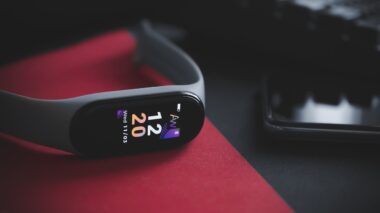
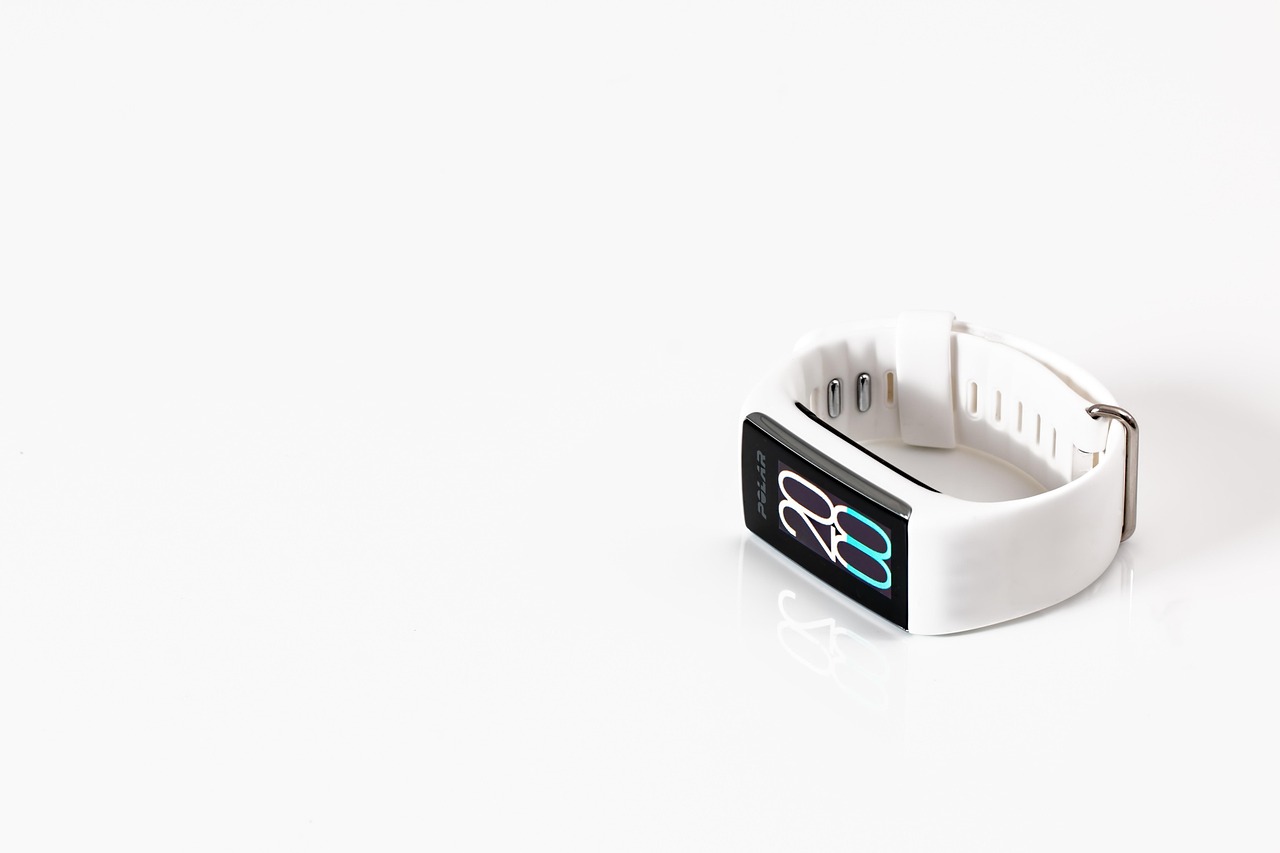
As the market grows, various products integrate voice recognition features, targeting diverse fitness needs and preferences. Popular examples include smartwatches and fitness trackers that allow for effortless access to data. Users can track metrics such as calories burned, distance covered, and workout intensity primarily through voice commands. Additionally, specialized equipment like smart home gym systems gradually incorporates these technologies, providing an extensive workout experience from one device. From yoga mats to resistance bands, enhancements that integrate voice recognition are rising, maximizing versatility. Furthermore, home-based fitness platforms are emerging, blending voice technology with virtual classes led by professional trainers. This offers the comfort of a gym environment within the home setting. Personalized coaching has never been more accessible, helping users achieve optimal results. Some companies even work on devices that respond to the user’s voice only, creating a tailored and user-friendly experience. Moreover, fitness apps equipped with voice capabilities are available for smartphone users, catering to their needs while on the go. All in all, the variety and availability of voice-activated fitness devices signal a significant growth trajectory for personal fitness technology.
Challenges and Considerations for Users
Despite the numerous benefits of voice-activated fitness devices, challenges and considerations exist. One of the main issues involves accuracy and responsiveness, especially in noisy environments. Devices must clearly interpret voices and accommodate accents and speech variations to cater to a broad user base. Users might experience frustration if commands are misunderstood or if devices fail to respond promptly due to ambient noise. Additionally, the reliance on technology raises concerns about device malfunctions during workouts, which may detract from the experience. Ensuring that devices are intuitive and reliable is crucial for maintaining user trust and satisfaction. Another challenge is data privacy and security; as these gadgets collect personal information, it’s vital to ensure that sensitive data is adequately protected. Users should be aware of the privacy policies and data practices of the brands they choose. Compatibility with other fitness apps and devices is also a roadblock; not all gadgets seamlessly integrate, leading to fragmented experiences. Thus, while voice-activated fitness technology presents exciting opportunities for enhancing workouts, users must remain cautious and informed about the potential drawbacks.
Moreover, as users navigate the landscape of voice-activated fitness devices, continuous evolution fosters innovation and improvement. Companies working with fitness technology continually refine algorithms and enhance user experiences based on feedback and technological advancements. Collaboration between tech firms and fitness professionals is crucial for developing innovative training protocols and functionalities. This integration leads to better personalization and adaptability, ensuring that devices cater to individual user preferences over time. As more fitness consumers embrace these technologies, competition will drive improvements in product offerings. Market leaders will invest in research and development to provide cutting-edge features that address user needs and desires. Furthermore, user communities and feedback platforms can guide brands, helping them understand the fitness landscape. This encourages transparency and fosters trust between companies and consumers. Additionally, partnerships with healthcare and wellness industries can enhance offerings by providing holistic approaches to health and fitness. Ultimately, the role of voice recognition in fitness gadgets is set to expand in the coming years, creating continually engaging experiences for fitness enthusiasts of all backgrounds.
Future Trends in Voice-Activated Fitness Technology
Looking ahead, several trends in voice-activated fitness technology signal an exciting future for the industry. Innovation continues to expand with the integration of artificial intelligence and machine learning into these gadgets. As voice recognition becomes more sophisticated, devices will better adapt to individual users, creating even more personalized training experiences. Additionally, seamless interaction between multiple devices will become a trademark of smart fitness ecosystems. Imagine being able to seamlessly transition from a smartwatch to a home gym system, all controlled through voice commands. This connectivity will enhance user experiences and streamline access to extensive data. Moreover, gamification features are expected to gain popularity, incorporating elements of fun and competition into workouts. Users can envision engaging with other users virtually or competing against friends, thereby promoting motivation. In turn, fitness companies will place increased emphasis on community-building aspects within their app and device ecosystems. Wearable tech will evolve to enhance user engagement further, leading to sustained interest in fitness activities. Overall, advancements in voice-activated fitness technology will blend support, enjoyment, and results, fundamentally transforming the fitness landscape for everyone.
In conclusion, voice-activated fitness devices have significantly impacted how individuals approach their workouts, enhancing convenience, safety, and personalization. The rise in popularity of these gadgets illustrates a shift towards integrating technology into daily fitness routines. As users become accustomed to hands-free controls and real-time coaching, the traditional approach to fitness may be transformed completely. Nevertheless, this evolution comes with its challenges, such as the need for device accuracy, data protection, and adaptability to various users. The future holds great promise as the industry innovates and refines technology, responding to user expectations and preferences. By continually evolving, these devices foster a healthier and smarter fitness journey for all. The blend of enjoyment and effectiveness paves the way for better engagement in health and wellness activities. Furthermore, the rise of voice-activated tech encourages inclusivity by catering to diverse skill levels and backgrounds. As fitness becomes a central part of many people’s lives, embracing technology intelligently can only help the fitness landscape. Thus, considering these advancements is crucial, leading to an enriching and transformative workout experience tailored to meet individual needs.