
The Science Behind Vegetarian Diets and Supplement Usage
Vegetarian diets have gained popularity due to health benefits and ethical considerations. However, vegetarians must ensure they receive essential nutrients, often obtained from animal sources. Vitamin B12 is one critical nutrient typically absent in vegetarian food. This vitamin plays a vital role in nerve function and red blood cell formation. Without it, vegetarians risk anemia and neurological issues. I recommend checking food labels for supplements and fortified foods. Additionally, vitamin D is crucial for bone health and immune function. Deficiency may occur without adequate sun exposure, especially in winter months. Many vegetarians could benefit from a vitamin D supplement during these colder months. Iron is another essential nutrient; plant sources contain non-heme iron, which absorbs less efficiently than heme iron found in meats. Vegetarians should opt for high-iron foods like lentils and chickpeas, paired with vitamin C sources to enhance absorption. Lastly, omega-3 fatty acids play a role in heart health. Found in flaxseeds and walnuts, vegetarians should consider algae-based supplements to meet their omega-3 needs. Making informed choices in diet is essential for vegetarian health.
Understanding Vitamins and Their Sources
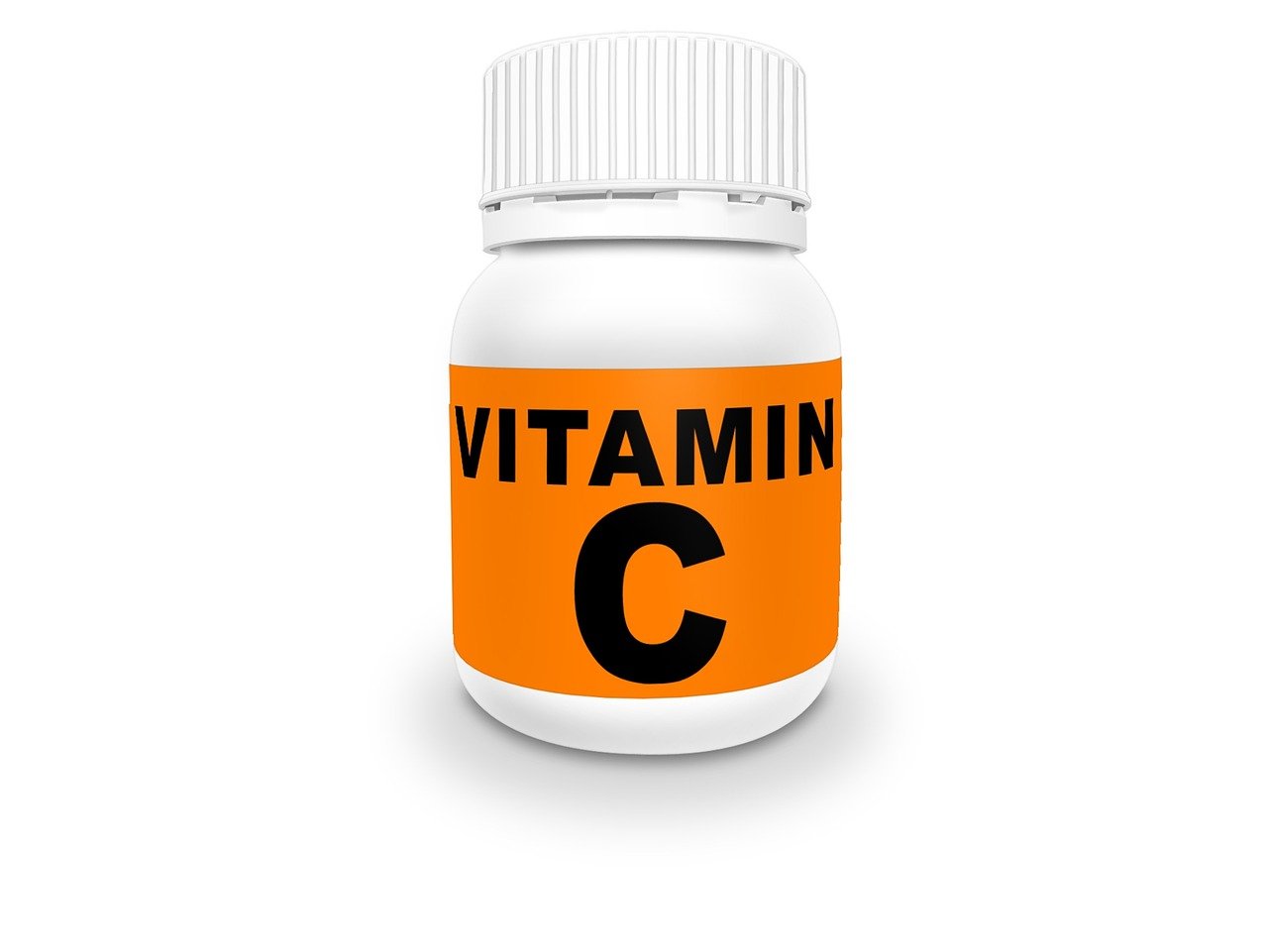
Vitamins A, C, E, and K are crucial for maintaining overall health. Vitamin A supports vision, skin health, and immune function. Found in carrots, sweet potatoes, and leafy green vegetables, vegetarians can easily meet their needs through a diverse diet. Vitamin C is essential for collagen production and iron absorption. Citrus fruits, strawberries, and bell peppers are excellent sources. Ensuring ample intake is vital for maintaining skin and overall health. Vitamin E acts as an antioxidant, helping to protect cells from damage. Sources include nuts, seeds, and spinach. This vitamin contributes to a healthy immune system and plays a role in preventing inflammation. Vitamin K, essential for blood clotting and bone health, is abundant in green leafy vegetables like kale and broccoli. For vegetarians, consuming vitamin-rich foods is vital. When necessary, supplements can be included for those unable to meet their requirements through diet alone. When considering vitamins, it’s essential to consult healthcare professionals for personalized recommendations. Proper nutrition can significantly impact health and well-being. Adopting a well-rounded vegetarian diet ensures an adequate intake of these important vitamins.
Vegetarian diets also require awareness of mineral intake. Apart from iron, zinc, calcium, and selenium are minerals of concern for vegetarians. Zinc is crucial for immune function and wound healing. Beans, nuts, and whole grains can provide the necessary amounts, although bioavailability may vary. Individuals who do not consume enough zinc may experience hair loss or impaired immune response. Calcium is essential for strong bones and teeth. It’s abundant in dairy products; however, vegetarians can find it in fortified plant milks, tofu, and green leafy vegetables. Moreover, vitamin D is essential to enhance calcium absorption. Therefore, maintain vitamin D levels through sunlight, diet, or supplementation. Selenium, another important trace mineral, helps with antioxidant defense and thyroid function. While Brazil nuts are a rich source, vegetarians can obtain selenium from grains and legumes as well. Adequate mineral intake enhances overall health, and diet diversity can help ensure that vegetarians meet their recommendations. Many supplements available today can help provide these necessary nutrients. However, once again, consulting professionals is essential before introducing new supplements to your routine. Adopting a well-rounded, informed vegetarian diet is key to sustaining optimal health.
Protein Sources for Vegetarians
While protein is often associated with meat consumption, many plant-based sources offer adequate protein. Lentils, beans, chickpeas, and quinoa stand out as excellent sources of protein essential for muscle repair and growth. Soy products, including tofu and tempeh, provide complete proteins containing all nine essential amino acids. Furthermore, nuts and seeds, such as chia seeds and hemp seeds, also contribute beneficial amounts of protein. Incorporating a variety of these foods ensures a balanced amino acid profile. Utilizing legumes in meals or snacks can enhance protein intake seamlessly. In addition to these whole food sources, protein powders derived from plants are available and can boost protein consumption, especially after workouts. This is particularly beneficial for individuals engaged in rigorous exercise routines requiring higher protein intake. Furthermore, protein is vital in maintaining satiety, which makes it essential in a balanced vegetarian diet. Carefully choosing various high-protein options can help prevent potential deficiencies while ensuring a plant-based diet is enjoyable. Adequate protein intake is crucial in maintaining physical performance and overall well-being while adhering to vegetarian principles.
Supplements serve as a valuable tool in bridging dietary gaps for vegetarians. Multivitamins can help ensure you receive a comprehensive range of essential vitamins and minerals. However, it is essential to choose high-quality products made from organic ingredients to promote health without unnecessary additives. Further, specific supplements targeting nutrient needs, such as vitamin B12 and omega-3 sources, provide tailored support. Availability of vegan omega-3 supplements ensures a sustainable option for individuals who prioritize plant-based lifestyles. Routine blood tests can help determine if dietary changes or supplements are necessary. This proactive approach enables better understanding of individual nutrient requirements. In addition, regularly evaluating and adjusting your diet or supplements accordingly will provide nutritional advantages. Consult with healthcare providers when starting any new supplement regimen, as it will optimize vegetarian diets without compromising health. Moreover, balancing natural food sources and supplements creates a well-rounded approach to nutrition. Consider using supplements to complement a healthy diet rather than as a substitute for whole foods. This strategy can create a fulfilling and health-oriented vegetarian experience. Knowledge about nutrients and supplementation is vital for navigating vegetarianism successfully.
The Role of Awareness in Vegetarian Diet Choices
Awareness of dietary choices shapes a vegetarian’s health journey. Knowledge of nutritional requirements enhances meal planning and focuses on foods providing essential vitamins and minerals. Being informed about the nutrients often lacking in vegetarian diets, such as B12, iron, and omega-3 fatty acids, empowers vegetarians to make healthier food choices. Understanding how to pair foods, such as combining beans with rice or broccoli with vitamin C rich foods, can improve nutrient absorption and overall health. Incorporating diverse, colorful fruits and vegetables ensures a broad spectrum of vitamins and minerals. Furthermore, individuals may find it beneficial to track their nutrient intake using meal tracking apps or food diaries. Regularly evaluating dietary habits supports informed decisions regarding food and supplementation. Additionally, nutrition education through books, podcasts, or expert consultations can foster a deeper understanding of vegetarian needs. Engaging with communities or networks focused on vegetarianism can also provide valuable insights, experiences, and support. Awareness leads to informed decisions which can sustain healthy vegetarian lifestyles, achieving balance and overall well-being. Ultimately, knowledge is power when navigating dietary choices.
In conclusion, vegetarian diets offer numerous health benefits and a variety of ethical considerations. However, being vegetarian necessitates a commitment to understanding optimal nutrient intake. Key vitamins and minerals such as B12, iron, and calcium play essential roles in overall health. Incorporating a diverse range of plant foods alongside thoughtful supplementation ensures adequate nutrition is achieved. Engaging with doctors or nutritionists about dietary needs and supplementation provides the guidance necessary for success. Additionally, awareness of resources and community support significantly benefits individuals navigating vegetarian lifestyles. By recognizing the importance of educating oneself about nutrition, vegetarians can proactively address any potential deficiencies, leading to improved health outcomes. Making informed dietary choices creates a path towards maintaining vitality, energy, and well-being. Whether pursuing vegetarianism for health reasons, ethical concerns, or environmental impact, it is vital to appreciate nutrient requirements. Ultimately, balancing a well-planned vegetarian diet contributes positively to long-term health. With mindful attention to supplementation and resource engagement, vegetarians can enjoy a fulfilling and health-centered lifestyle. Health is achieved through knowledge, awareness, and mindful choices in the beautiful world of vegetarianism. Together, embrace this holistic lifestyle.
Vegetarian diets have gained immense popularity due to rising health consciousness and ethical considerations. However, many individuals may find it daunting to ensure adequate nutrient intake. With proper planning, vegetarian diets can meet all dietary needs while promoting health benefits. Understanding nutrients is crucial. Certain vitamins and minerals, such as vitamin B12, iron, and omega-3 fatty acids, may require special attention. Vitamin B12 is essential for nerve function and red blood cell formation. Since it is primarily found in animal products, supplementation is often necessary for vegetarians. Iron is crucial for energy levels and overall health, with plant sources like lentils and spinach providing non-heme iron, which absorbs differently than heme iron found in meat. Pairing iron-rich foods with vitamin C sources can boost absorption. Additionally, omega-3 fatty acids play a significant role in heart health, brain function, and inflammation. Vegetarians can obtain omega-3s from chia seeds, walnuts, and algae-based supplements. A varied diet should provide plenty of other essential vitamins and minerals to ensure overall health. Prioritizing nutrition in vegetarian diets can lead to improved well-being and vitality.