
The Science Behind Breathing Exercises and Child Development
Breathing exercises are essential for children’s growth, contributing to both mental and physical health. These exercises promote relaxation, reduce anxiety, and increase focus. By engaging children in regulated breathing techniques, we can enhance their overall well-being and improve their ability to cope with stress. Practices such as deep breathing can effectively calm their nervous systems. Children, much like adults, experience stress and anxiety, especially in a fast-paced world filled with external pressures. When taught how to breathe properly, they tend to become more mindful. Furthermore, it encourages emotional regulation, teaching them how to manage their feelings better. Studies show that children who practice these techniques regularly exhibit improved concentration in classrooms. Additionally, incorporating breathing exercises at an early age creates lifelong habits that can significantly impact emotional resilience later in life. Therefore, parents and educators must actively encourage and teach these practices. As they learn these techniques, children can develop essential tools for managing their mental health, ultimately fostering more positive developmental outcomes. Overall, breathing exercises play a crucial role in enhancing the mental, emotional, and physical growth of children.
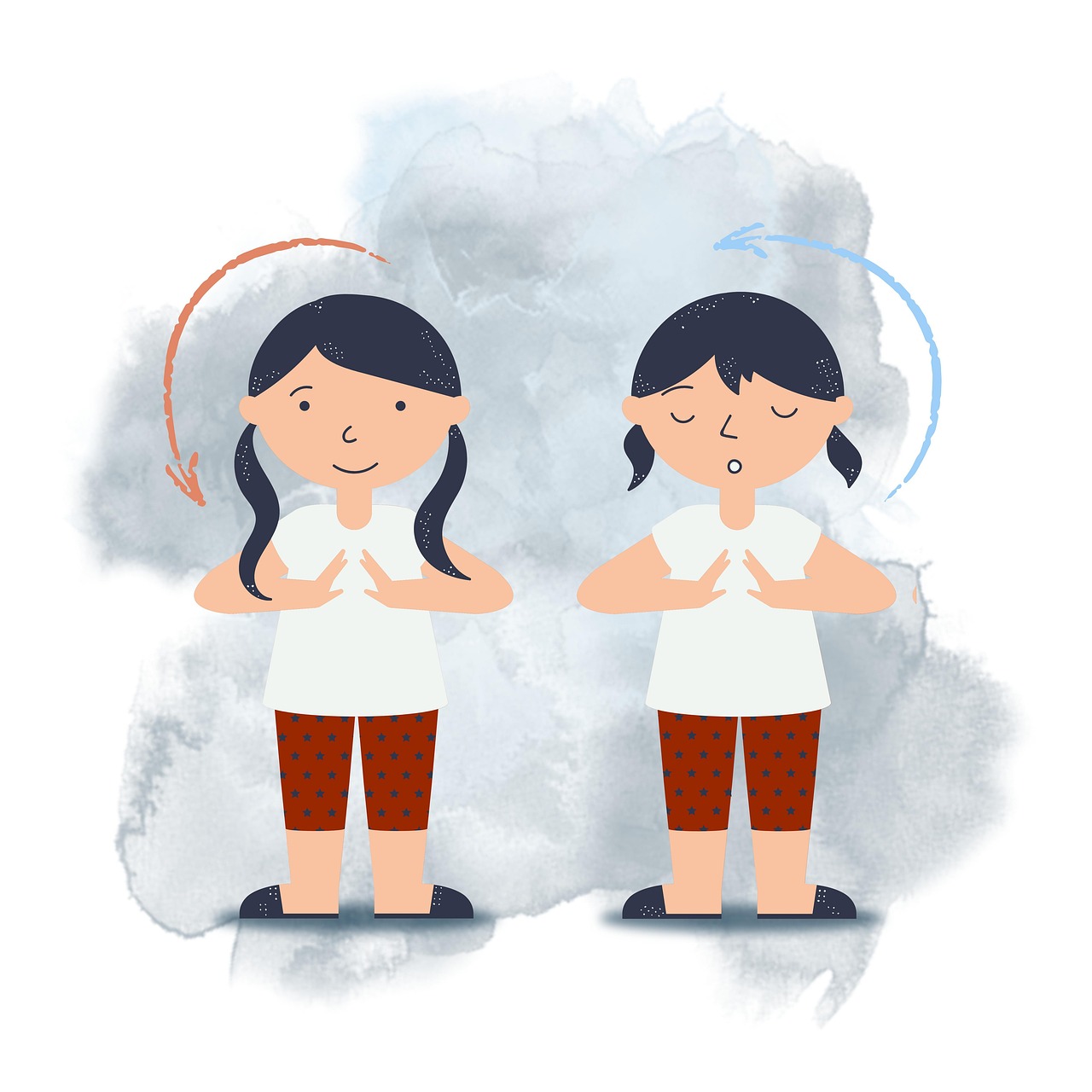
Various breathing techniques are particularly beneficial for children, especially during stressful situations. Simple strategies include the ‘balloon breathing’ method, where kids imagine inflating a balloon. Breathing in deeply through the nose and slowly exhaling helps in establishing a calming routine. Another effective method is ‘five-finger breathing’, where children can focus on their fingers while breathing in and out. These techniques are designed to capture their attention and make learning enjoyable. Incorporating elements of play while teaching these exercises is vital. Children are more likely to engage with activities that feel fun rather than like a chore. Moreover, fostering a supportive environment can significantly bolster their enthusiasm in practice. Educators and parents can set aside specific times for breathing exercises, turning it into a game or part of their daily routine. Regular practice not only reinforces the techniques but also enhances their efficacy. As children become proficient in these exercises, they cultivate greater self-awareness and emotional intelligence. This journey begins simply but has profound benefits, laying a robust foundation for further personal development. Therefore, exploring various engaging methods remains pivotal in teaching breathing exercises to children.
Benefits of Breathing Techniques
Understanding the benefits of breathing techniques opens the door to numerous advantages, affecting multiple aspects of childhood development. Improved focus and concentration are some of the immediate goals that these exercises achieve. For instance, deep breathing can significantly enhance cognitive functions by supplying more oxygen to the brain. This increased oxygenation can spark creativity and better analytical thinking in children. Furthermore, engaging in these exercises during stressful situations promotes emotional stability and resilience. Children learn vital coping strategies that equip them to face their challenges effectively. Enhanced respiratory function is another remarkable benefit of proper breath control. As children learn how to breathe correctly, they become more aware of their body’s needs, leading to positive health changes. Moreover, this practice can improve their physical endurance, influencing overall fitness in various activities such as sports and play. Emotional benefits include reduced instances of anxiety, helping children feel more relaxed in social situations or unfamiliar environments. Cultivating these skills from a young age fosters a sense of empowerment, giving kids the tools they need to navigate life’s complexities with confidence.
Incorporating breathing exercises into homes and schools can be ideal for enhancing children’s learning experiences. Educators, parents, and caregivers hold a particular responsibility in promoting these exercises as a standard practice. Teachers can introduce short breathing sessions before tests or group activities to help calm nerves and improve focus among students. Similarly, parents can practice these techniques during family quiet time or relaxing evenings. By making breathing exercises a routine part of daily life, children develop a deeper understanding of their emotions and reactions. Schools can also establish wellness programs focusing on mindfulness that combine breathing exercises, promoting a holistic approach to learning. Sensitizing children to their feelings can facilitate better connections with their peers and enhance their social interactions. Institutions that prioritize mental well-being witness positive performance outcomes, both academically and socially. Furthermore, educational resources such as books and guided videos can assist children in learning various techniques. The key lies in consistency and supportive reinforcement from adults. Thus, integrating breathing exercises across environments will ensure effective learning opportunities for children while nurturing their emotional intelligence.
Challenges in Teaching Breathing Techniques
Teaching breathing exercises to children can sometimes pose challenges that parents and educators must navigate wisely. Young children often find it difficult to focus on abstract concepts such as breath and mindfulness. To address this, utilizing engaging stories or animated visuals can help simplify the process. Creative props, such as toys, may encourage involvement and enthusiasm during sessions. Nevertheless, different age groups present varying challenges; hence, tailored strategies must be utilized. Additionally, some children may initially resist these practices due to unfamiliarity or a lack of understanding regarding their relevance. It is critical to emphasize the benefits of breathing exercises without forcing participation. Gradually introducing these exercises in pleasant settings may result in better reception. Establishing a comfortable atmosphere where children feel safe can elevate their willingness to explore new techniques. If frustrations arise, adapting the approach to accommodate each child’s needs promotes effective learning. Even incorporating short periods of movement or physical activity can enhance interest. Overall, overcoming these challenges necessitates creativity, patience, and an understanding of each child’s unique learning journey.
Parents can play a significant role in reinforcing breathing exercises at home, ensuring consistency between teaching and practice. Setting aside specific times each day to practice can create a family routine that everyone looks forward to. Sharing the experience together enhances bonding while normalizing the act of mindfulness and breath control. Parents need to be open and enthusiastic about the exercises to inspire their children to participate willingly. They can also model these practices during stressful moments, demonstrating how to use breathing to cope effectively. Utilizing apps or online resources tailored for children can add an interactive element, making the experience enjoyable and engaging. Children are more likely to practice consistently when they find the methods enjoyable rather than burdensome. Furthermore, parents should speak positively about how these breathing routines can help manage emotions and improve focus, thereby normalizing such practices as a daily necessity. The long-term effects will demonstrate improvements in emotional intelligence, self-regulation, and understanding. Thus, fostering this approach within families generates effective emotional and developmental benefits, ultimately nurturing healthier relationships.
Conclusion
The journey of introducing breathing exercises to children is rewarding and essential for their overall development. As these exercises become an integral part of their daily routine, children learn vital skills that can positively impact their futures. By practicing techniques like deep breathing and mindfulness, kids enhance their ability to cope with stress and develop emotional resilience. Properly learning these skills can help children navigate complex social environments and maintain lasting emotional balance. Consequently, breathing exercises contribute not only to individual well-being but also create healthier environments in schools and homes. As educators and parents work together to incorporate these strategies, they empower children with crucial tools as they progress through life’s challenges. Making breathing techniques fun and engaging ensures children develop a fondness for these practices. Ultimately, fostering an understanding of breath management cultivates emotional intelligence, mindfulness, and self-awareness. Therefore, we must create opportunities that encourage practicing these essential skills consistently. As we witness the positive impact of breathing exercises on children’s lives, it becomes clear that nurturing these practices is fundamental for development. Children equipped with coping mechanisms will thrive as well-rounded individuals.
Overall, these exercises create an invaluable framework for emotional development, shaping children into adaptable and resilient individuals.