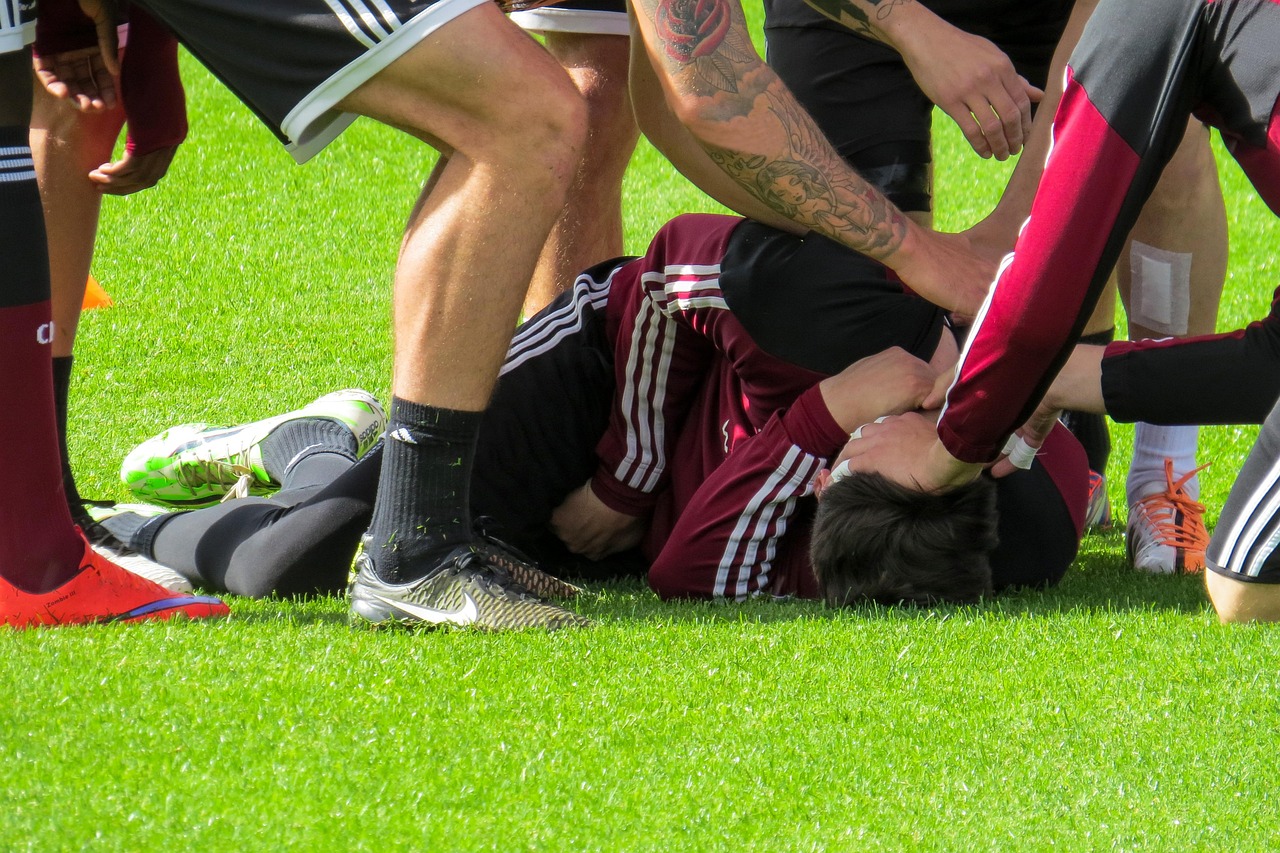

The Importance of Technique in Avoiding Injuries in Contact Sports
Injury prevention is critical in contact sports, where physical collisions are commonplace. Effectively using proper technique can reduce the risk of injuries and enhance performance. Athletes who master fundamental techniques are less likely to sustain serious injuries. For instance, learning to tackle correctly in football or rugby can prevent head injuries or concussions. This aspect of training is often given less focus compared to fitness, but it deserves significant importance. Coaches should implement structured sessions that emphasize proper form and technique. Introducing drills that encourage players to practice the right way to engage their opponents is essential. Athletes who prioritize technique tend to have better body awareness, which helps them avoid precarious situations during games. They need to understand the biomechanics of their actions, recognizing how to distribute force safely during impacts. Furthermore, efficient technique translates to better gameplay and can be the line between winning and losing. Therefore, prioritizing skill development over sheer physicality matters greatly. By fostering a culture centered around technique, teams create an environment that is safer for all athletes.
Core Techniques in Various Contact Sports
Contact sports, including football, hockey, and rugby, vary widely in their techniques, but the fundamental principles of injury prevention remain constant. Athletes must specifically focus on skills such as tackling, blocking, and proper landing techniques. In football, for example, players should learn how to use their shoulders to deliver safe, controlled tackles instead of leading with their heads. Additionally, in rugby, players should master the art of wrapping their arms around opponents to ensure safe engagement in tackles. Effective body positioning also plays a vital role; when players keep their center of gravity low and maintain balance, they reduce their chance of falling awkwardly. Moreover, hockey players must prioritize proper checking techniques, avoiding dangerous hits and practicing controlled body movements. On the other hand, MMA fighters should focus on grappling techniques to prevent dislocations or injuries during ground fighting. Coaches and trainers must develop intricate training programs tailored to common injury risks specific to each sport. Ultimately, instilling these core techniques across various disciplines can dramatically enhance player safety on the field.
In connection with mastering fundamental techniques, consistency in practice is paramount in preventing injuries in contact sports. Regularly engaging in drills that refine skills encourages muscle memory and instills safe habits in athletes. Resources such as training videos and tutorials can further demonstrate effective techniques that minimize injury risks. Athletes should observe themselves and their peers while practicing, gaining insights into areas needing improvement. Reviewing game footage can also help in visualizing effective techniques that lead to safer performance. Teams should engage in regular workshops focusing on injury prevention, bringing in experts to highlight the importance of technique. Additionally, peer mentorship is vital, wherein more experienced athletes guide novices, reinforcing proper techniques. Creating guidelines for drills enables coaches to standardize core techniques throughout training sessions. As the athletes repeatedly practice, their technique will become second nature, reducing risks significantly. Also, visual aids around training areas can remind athletes of the fundamental movements they should prioritize. Consequently, implementing a well-structured regimen will cultivate a team culture that values safety alongside competitive spirit.
Role of Coaches in Teaching Technique
Coaches play a vital role in teaching athletes safe techniques in contact sports. Their expertise and guidance shape how players approach gameplay and develop skills. Coaches must prioritize injury prevention in practice, leading by example. A coach’s understanding of biomechanics and injury risks directly influences their training methods and drills. Additionally, encouraging open communication allows players to express concerns regarding their techniques and any discomfort experienced. This feedback can help coaches tailor their instruction to the needs of each athlete. Coaches should also provide athletes with information on how to recognize the signs of fatigue and stress, empowering them to make safe decisions during games. Furthermore, incorporating regular assessments is essential for understanding individual athlete’s skill levels and progress made during practice. By identifying weaknesses, coaches can adjust training approaches and focus on specific areas that need improvement. Establishing a culture of safety and respect, where athletes prioritize each other’s welfare, is crucial. Coaches must foster a supportive environment, allowing athletes to feel comfortable practicing techniques openly without the pressure of performance alone.
Incorporating strength and conditioning training into the overall technique development process is essential. Stronger athletes are generally more resilient to injuries as they better withstand physical demands during competitive environments. A well-balanced strength program that includes flexibility, agility, and power training can complement technique instruction. For instance, weight training that focuses on legs and core strength can improve an athlete’s balance and stability during contact events. Additionally, plyometric exercises can enhance agility and quickness, enabling athletes to move efficiently. Flexibility training further complements muscle dynamics, allowing for a greater range of motion, which is fundamental in executing techniques safely. Moreover, facilitating recovery sessions enables athletes to maintain their physical condition and prepare for subsequent training. Regular flexibility work can prevent muscle tightness and improve overall performance. Importantly, rest and recovery must be emphasized, as fatigue significantly impacts an athlete’s capacity to execute techniques properly. Providing education on nutrition and recovery strategies can enhance the athletes’ performance, ensuring they’re physically prepared. In this way, a holistic development program that combines strength building with technique training can lead to reduced injury rates in contact sports.
Environmental Factors Impacting Safety
Injury prevention in contact sports doesn’t solely rely on technique but also on environmental factors. The playing surface can significantly impact the likelihood of injuries. For instance, grass surfaces tend to provide better cushioning than hard synthetic materials. Additionally, field conditions must be regularly maintained to ensure athletes do not encounter hazards, like uneven grassy areas or debris. Athletic equipment, including pads and helmets, must also meet safety standards. Players should have access to equipment that fits properly and is appropriate for their sport. Coaches and officials should enforce rules designed to protect the players. For example, ensuring that proper equipment is worn during practice and games is vital. The weather can also influence safety; conditions like rain or extreme heat may affect performance and increase the risk of injury. Consequently, players should be aware of how environmental factors can affect their techniques and performance on the field. Integrating training designed to accommodate these conditions is crucial for reducing risks. Finally, fostering awareness about these elements can empower athletes to make safer decisions in various environments.
Ultimately, promoting a culture of safety and technical prowess in contact sports is essential for reducing injuries. Athletes, coaches, and parents must work collaboratively to prioritize injury prevention techniques during training. Advocating for proper training routines that emphasize skill development can revolutionize athletic performance while prioritizing safety. This involves not only mastering techniques but also recognizing their role in fostering healthy sports environments. Implementing educational initiatives on injury prevention that encompass all aspects of the sporting experience is crucial. Athletes must become advocates for using safe techniques and encourage teammates to prioritize skill over risky maneuvers. Just as teams strategize to win, they must develop injury prevention strategies through comprehensive planning and training. Parents can play a significant role, supporting their children’s sports experiences while highlighting the importance of safety techniques. Ultimately, a proactive approach that focuses on injury prevention will benefit not only individual athletes but the entire team environment. By investing time in proper technique training, all stakeholders in contact sports contribute to the well-being of the sports community.