
Pilates and Mental Health: Personal Stories and Successes
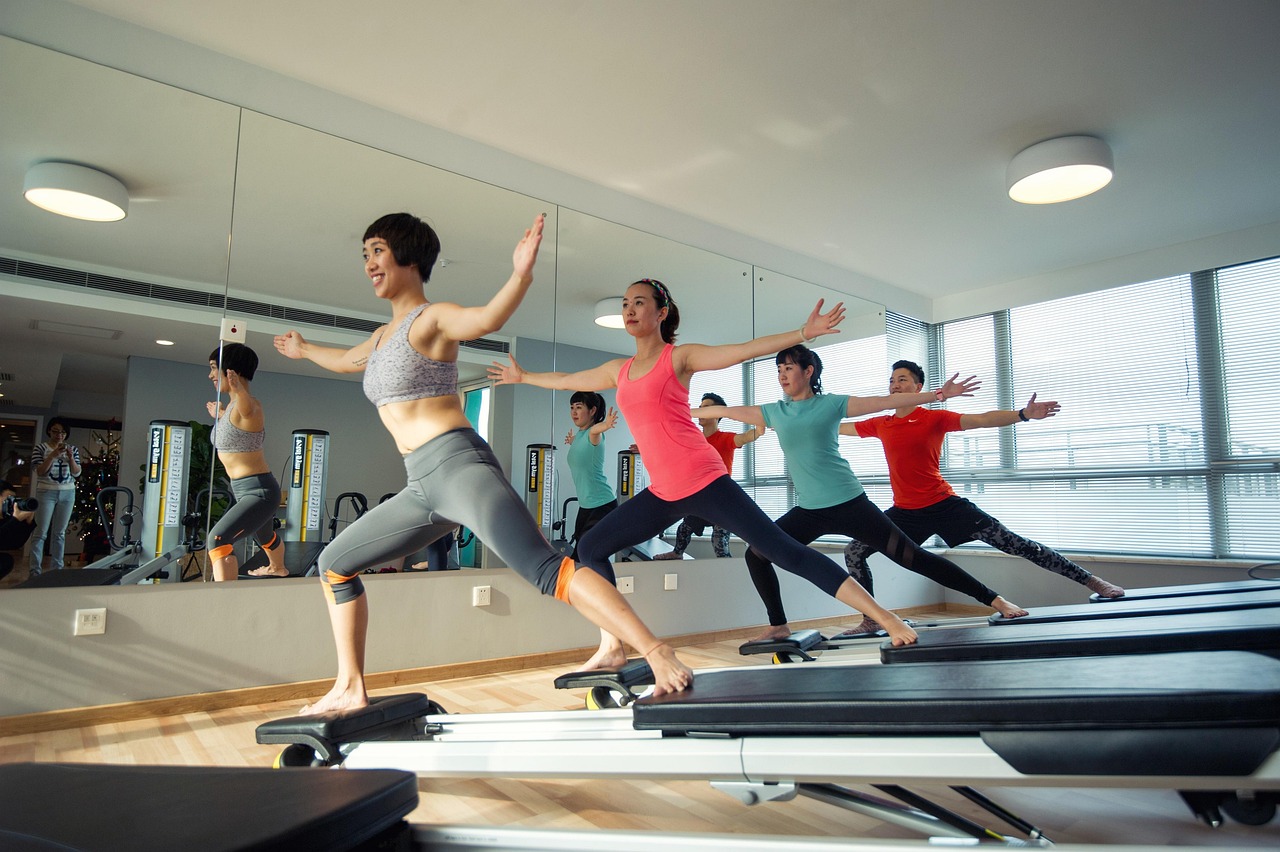
Pilates, a low-impact exercise focusing on core strength, stability, and flexibility, is gaining recognition for its profound impact on mental health. Many practitioners report significant improvements in their emotional well-being. For instance, studies show that regular participation in Pilates not only enhances physical fitness but also alleviates symptoms of anxiety and depression. Individuals often share personal stories, describing how Pilates helped them navigate stressful life situations. Fostering a connection between mind and body, Pilates encourages participants to enhance their awareness of physical sensations and emotions. This practice encourages introspection and mindfulness, vital aspects of mental well-being. When individuals integrate breathing techniques into Pilates routines, they may experience heightened relaxation and reduced stress. Furthermore, the supportive community often found in Pilates classes fosters social connections, combating feelings of isolation. Sharing success stories among participants strengthens motivation and inspires others to take action. Whether you’re a beginner or an experienced practitioner, Pilates offers an accessible avenue toward improved mental health. As testimonials reveal, this gentle yet effective form of exercise empowers individuals not only physically but also emotionally, proving that movement can be a transformative force in people’s lives.
Pilates and Stress Relief
Many participants join Pilates classes for stress relief, finding respite from their hectic lives. Studies confirm that engaging in mindful movement significantly impacts the body’s stress response. Through controlled breathing and slow movements, practitioners develop awareness and can respond more effectively to stressors. This approach promotes relaxation and reduces anxiety levels, helping individuals transform their mental state. Practitioners often express how Pilates aligns their bodies, allowing them to feel more centered and grounded. This physical grounding translates to emotional stability, fostering resilience when facing challenges. As mind-body awareness develops through Pilates, many report feeling empowered. They cultivate tools to combat daily stressors, which supports overall emotional health. Taking an hour each week to dedicate to oneself can nurture a sense of peace. Participants share stories of how Pilates acts as an anchor, keeping them balanced in turbulent times. The experience becomes a sanctuary, where they can escape from everyday pressures. This merging of movement and mindfulness becomes not just an exercise routine but a vital practice for maintaining mental clarity and emotional strength. Cultivating these habits through Pilates encourages a holistic approach to health that nurtures both body and mind.
In addition to stress relief, Pilates has gained traction among those recovering from trauma. Participants frequently share transformational narratives related to their journeys. Engaging in gentle movements can evoke feelings of safety and control, counteracting the impact of past experiences. With every session, individuals often find themselves reconnecting with their bodies after feeling disconnected. This reconnection can be immensely healing, allowing individuals to process emotions related to their trauma. Pilates focuses on core stability, often translating to a sense of inner strength, which participants carry beyond the studio. Incorporating Pilates into their healing process can raise self-confidence as individuals notice improvements in their physical abilities. They learn to appreciate their bodies, recognizing bravery in vulnerability. Create supportive environments by engaging with instructors who understand the nuances of trauma. Realizing they are not alone in their journeys creates community, turning each class into a safe space for healing and growth. Community support enhances the healing journey and nurtures resilience and courage. As shared experiences in the studio build trust among participants, they learn that each small step towards recovery is notable. Embracing this journey ultimately leads to a deeper understanding of oneself.
The Community Aspect of Pilates
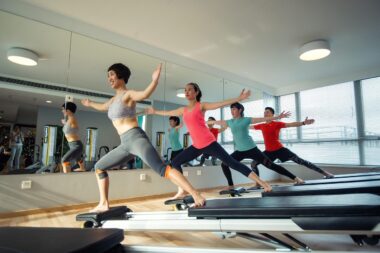
The Pilates community fosters connections that can significantly bolster mental health. Participants often come together, exchanging stories and encouragement, creating an inclusive environment. The camaraderie in these classes can combat feelings of loneliness many individuals experience. Committing to a shared objective, improving health, cultivates bonds that enrich social lives. These relationships form support networks, essential during hard times. Practitioners learn from each other’s journeys, watching as fellow members overcome their own struggles. This process nurtures empathy and understanding, vital components for mental wellness. Within these supportive environments, participants frequently become more open and vulnerable, sharing their experiences. Engaging in shared practices like Pilates allows them to recognize common challenges. This connection diminishes the stigma surrounding mental health, promoting openness about emotional and psychological struggles. The community aspect reinforces the idea that everyone is deserving of care and compassion. As friendships bloom, individuals often lean on one another for motivation, accountability, and support, enhancing their commitment to physical and mental well-being. Therefore, the group dynamic in Pilates classes forms lasting bonds and provides a reassuring reminder that healing can be achieved together, fostering resilience through shared experiences.
A diverse array of success stories emerges from practitioners who attribute their mental health progress to Pilates. These stories highlight personal transformations, ranging from improved self-esteem to increased mindfulness. For many, Pilates has been a catalyst for lifestyle changes, encouraging them to explore additional holistic wellness practices. Participants often remark on the newfound confidence gained through physical achievements, which extends into other aspects of their lives. Overcoming challenges within classes fosters a sense of accomplishment, which impacts how they view themselves and their capabilities. Moreover, participants share how Pilates cultivates a greater understanding of body movements, allowing them to appreciate their bodies in a positive light. Increased body awareness bridges physical and mental wellness, promoting healthier choices beyond the studio. As they observe growth in their practice, individuals frequently express gratitude for the self-care journey Pilates provides. The ripple effect of these transformations often inspires others to engage with the practice, showcasing the power of shared experiences in motivating action. Each story serves as a reminder that healing occurs gradually, and every class becomes a stepping stone towards empowerment and resilience. Celebrating these successes reinforces the collective journey toward improved mental well-being.
The Mindfulness Connection
Mindfulness naturally integrates into every Pilates session, bolstering the mental health benefits of practice. Participants are often encouraged to focus their thoughts on their breath and movements. This deepens their connection to the present, promoting clearer thinking and reducing racing thoughts. As mindfulness develops, individuals learn to enjoy moments of tranquility during their sessions. This quality of presence can significantly impact overall mental health outside the studio. Practicing mindfulness causes practitioners to reengage with their senses and encourages them to notice their surroundings. Out of the studio, towards emotional responses, fosters deeper self-awareness. Many express appreciation for the clarity gained from regular practice. Incorporating mindfulness in everyday life enriches experiences and supports emotional regulation. This intentional presence allows individuals to manage stress more effectively and approach challenges with composure. Psychological research indicates that mindfulness practices can reduce anxiety and promote emotional stability. Therefore, the core of Pilates aligns beautifully with these findings. Each session presents an opportunity for practitioners to cultivate resilience and mental health through intentional movement. Practicing mindfulness in combination with Pilates paves the way for a balanced mental state, fostering a sense of peace and groundedness.
Lastly, it’s essential to recognize that the benefits of Pilates extend beyond individual stories. Diverse global communities are embracing the practice to support mental health initiatives. Pilates studios partnered with mental health organizations, offered classes to vulnerable populations, highlighting how movement can serve as a bridge towards healing. Classes tailored for specific demographics encourage inclusivity and empowerment, allowing marginalized groups to reclaim their narratives through movement. Healthcare providers are increasingly recognizing the role of Pilates in holistic wellness, recommending it to clients seeking both physical and mental health improvements. By creating workshops aimed at mental health awareness, the outreach extends beyond the gym floor, encouraging healthy dialogues surrounding emotional wellbeing. Pilates serves as a potent tool in restoring balance for those grappling with mental health issues. Supported by communities and professionals, this movement cultivates a safe space for healing. As more people share their successes, the spotlight shines on Pilates as an effective complementary therapy. Ultimately, embracing Pilates opens pathways to renewed hope and resilience, supporting individuals in their mental health journeys. This movement encapsulates the essence of empowerment, proving that every step forward matters in healing journeys.