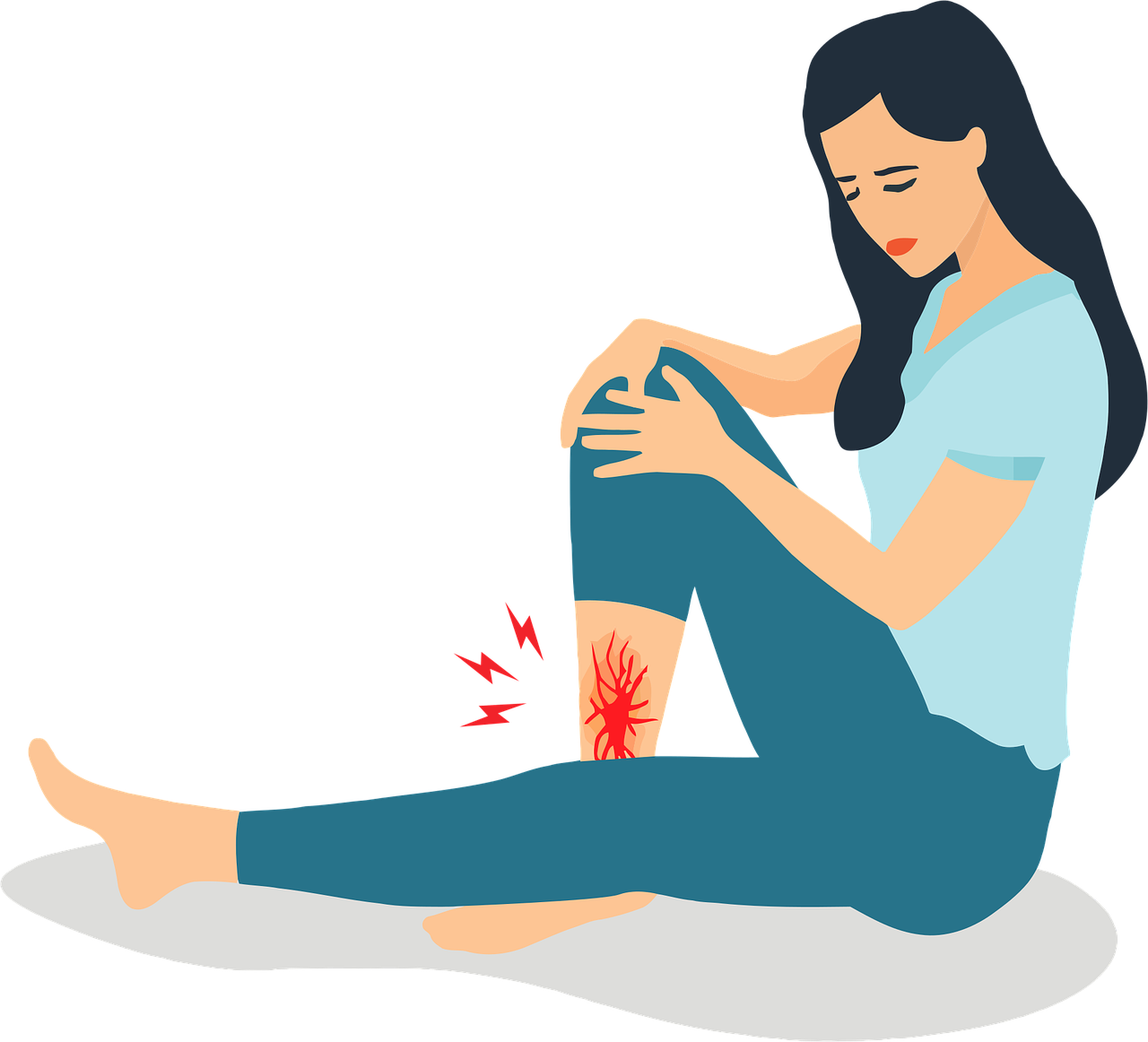

Injury Prevention Strategies for High-Intensity Interval Training (HIIT)
High-Intensity Interval Training (HIIT) can be an effective way to boost fitness, yet it also carries injury risks. To mitigate these risks, start by incorporating proper warm-up routines. A comprehensive warm-up should target all major muscle groups used during HIIT workouts. Focus on dynamic stretches, light aerobic activity, and mobility exercises. Dynamic stretches help prepare muscles for the rigorous activity ahead and improve flexibility. Examples include arm circles, leg swings, and torso twists. Beyond warming up, ensure exercises are performed with proper technique to prevent undue stress on joints and muscles. Misalignment or improper form can lead to injuries such as strains or sprains. Consider consulting a trainer for guidance. Hydration is another critical aspect of injury prevention during HIIT. Dehydration can impair performance and lead to cramping and fatigue. Encourage participants to drink water before, during, and after workouts. Additionally, adopt a gradual progression to allow the body to adapt to higher intensities. This means starting with easier workouts and increasing intensity over time. By focusing on these strategies, individuals can enjoy the benefits of HIIT while minimizing injury risks.
Another essential element in preventing injuries during HIIT is recovery. Allow ample recovery time between sessions to let your body heal and rebuild muscle. Adequate rest helps muscle fibers recover, preventing overexertion and subsequent injuries. Ideally, schedule HIIT workouts no more than three times a week, incorporating rest days between sessions to promote recovery. Proper nutrition also plays a crucial role in injury prevention. Fueling the body with balanced nutrients, especially post-workout, can enhance recovery. Emphasize the importance of protein intake to repair muscle tissues and carbohydrates to replenish energy stores. Encouraging a diet rich in fruits, vegetables, and whole grains will support overall health. Stretching post-workout is another integral part of recovery. Static stretching can alleviate tightness and improve flexibility. Recommend holding each stretch for 15-30 seconds while focusing on major muscle groups. Encourage individuals to cool down after each HIIT session. This helps gradually bring the heart rate back to baseline levels and reduces the risk of dizziness. Monitor how one feels during and after workouts, as persistent pain should prompt a discussion with a healthcare professional.
Equipment Safety and Environment Considerations
Using appropriate equipment and maintaining a safe workout environment are essential facets of injury prevention as well. Ensure all gear, such as weights and mats, is in good condition and correctly used. Regularly inspect equipment for any signs of wear or damage and replace as necessary. For bodyweight exercises, clarify the best surfaces for performance, as hard or uneven ground can increase injury risks. A flat, non-slip surface is ideal for most HIIT workouts. Always encourage participants to wear suitable footwear with proper support for the activities they undertake, as shoes designed specifically for the type of workout can significantly reduce injury risks. Participants should also engage in workouts that are suitable for their fitness levels to avoid injury from over-exertion. Beginners may face risks by attempting advanced exercises prematurely. Gradually increasing intensity allows the body to adapt safely. Also, consider environmental factors such as temperature and ventilation, as these can impact performance and increase injury risks. For example, training in excessive heat may lead to dehydration and fatigue, while proper ventilation is crucial in indoor spaces to maintain comfort.
Additionally, it is beneficial to incorporate various training methods into HIIT sessions to prevent repetitive strain injuries. Adding variety engages different muscle groups, reduces fatigue, and maintains motivation. Include exercises targeting all areas of the body, alternating upper body, lower body, and core workouts. This rotation can also minimize overuse injuries that arise from repetitive actions. Utilizing cross-training strategies can also provide an excellent alternative to HIIT, allowing different muscle recovery while maintaining fitness levels. Consider integrating activities like swimming, cycling, or yoga for well-rounded fitness. These activities prioritize different modalities and reduce the injury risks associated with a singular focus. Always remind participants to listen to their bodies; if discomfort or pain occurs during a session, they should modify the exercise or rest as needed. Personalizing workouts to accommodate individual needs further helps in injury prevention. Encourage everyone to adjust their pace and intensity according to their fitness levels and establish realistic and attainable fitness goals to avoid frustration. By implementing these strategies, participants can remain injury-free while enjoying their fitness journeys.
Mental Readiness and Injury Awareness
Mental readiness and awareness of injury signs are critical components in HIIT safety. It is essential for trainers and participants to develop a mindful approach to workouts. Before attending HIIT sessions, individuals should assess their overall condition, including stress levels, fatigue, and any lingering soreness from previous workouts. Mental readiness ensures that the body is responded to effectively during high-intensity sessions. Providing education about common signs of injury, such as sharp pains, swelling, or restricted movement, can prepare participants to recognize when to stop. Reinforce that pushing through acute pain can result in long-term damage, and the importance of seeking professional help when needed should be emphasized. Encourage participants to maintain communication with trainers about their physical states throughout. Moreover, engaging participants in goal-setting within personal training not only promotes motivation but also enhances safety by encouraging mindful participation. Setting realistic short and long-term goals allows individuals to remain conscious of their limits while celebrating progress. In doing so, trainers and individuals foster a collaborative environment prioritizing health, fitness, and injury prevention as mutual responsibilities.
In conclusion, implementing effective injury prevention strategies for HIIT isn’t solely the trainer’s responsibility; it requires a partnership with participants. Building an environment focused on safety can enhance overall workout experiences. Creating awareness around the crucial components of recovery, warm-up routines, and the importance of proper nutrition will establish a foundation for sustained training. Leveraging the right equipment and grounded workouts remains essential to minimize potential injuries. Changing up routines fosters total body strength while keeping motivation high. With adequate recovery and a well-rounded approach encompassing physical and mental readiness, both trainers and individuals can engage in safe participation. Flexibility, stationery, and body awareness must be prioritized, as they contribute significantly to injury prevention. By focusing on education and fostering open communication, participants will understand the cues their bodies provide. As a result, they can make better choices during training and avoid potential injuries. Ultimately, a culture of safety ensures that HIIT remains a popular method for reaching fitness goals while minimizing injury risk. Observe how injury prevention integrates into every facet of training and commitment to continuous improvement.
Lastly, seeking professional guidance can be advantageous for anyone serious about HIIT as a fitness regimen. Professional trainers offer tailored advice and methods to ensure a safe and effective training experience. Utilizing knowledge accumulated through experience can help participants feel more confident and secure in workouts. Those interested can explore workshops, online classes, or one-on-one consultations to deepen their understanding of HIIT. Always take injuries seriously and prioritize returning to full fitness status only after medical clearance if injured. In addition, periodic health assessments, focusing on flexibility, strength, and endurance levels, can be constructive in identifying potential injury risks. This way, individuals can take proactive measures to strengthen weaker areas. Designing HIIT sessions that evolve with the individual’s capabilities promotes long-term success. Tracking progress over time encourages adherence to safety principles. Encouraging consistent support from trainers and peers helps build a resilient fitness community. Ultimately, promoting injury awareness and safety will allow HIIT enthusiasts to enjoy workouts and confidently reach their fitness aspirations.
Final Thoughts on Injury Prevention
Prioritizing injury prevention not only preserves physical health but also enhances the enjoyment and effectiveness of high-intensity workouts over time. By combining strategic warm-ups, appropriate cool-downs, and education about signs of injury, participants can pursue their fitness goals with confidence. Trainers play an essential role in guiding individuals through this process. Effective training programs should adapt to the needs of participants, allowing for gradual progression and attentive encouragement. Recognizing the unique challenges of HIIT informs the approach trainers take and highlights the importance of communication. The combination of proper hydration, nutrition, and recovery strategies further reinforces injury prevention practices while promoting long-lasting fitness. Emphasizing a mindset oriented towards safety and well-being not only reduces the likelihood of injury but also elevates the overall fitness experience for all involved. It goes beyond physical performance to allow individuals to enjoy the transformative power of exercise without fear. By fostering a comprehensive understanding of fitness, injury risks, and safety strategies, individuals can achieve sustainable high-intensity training goals. Everyone should prioritize their safety in every workout, ensuring that fitness remains a fulfilling journey.