
Incorporating Pilates to Strengthen Core and Prevent Injuries in Older Adults
Older adults face unique challenges when it comes to maintaining physical health. One effective method to enhance their strength and stability is Pilates. This low-impact exercise focuses on core strength, flexibility, and balance, making it ideally suited for older individuals. Core strength is crucial as it supports proper posture and reduces the risk of falls, which are common in older populations. By emphasizing core engagement, Pilates helps to stabilise the body during various activities. Improved core strength leads to better overall functional movements, enhancing mobility in daily life. Moreover, Pilates can be tailored to individual fitness levels, allowing instructors to create safe and effective routines. As older adults commence their Pilates journey, it is essential to maintain patience and consistency to ensure progressive improvement. Additionally, integrating specific Pilates exercises such as the bridge, pelvic curl, and seated twist can target various muscle groups effectively. Therefore, incorporating Pilates into their fitness routine can significantly benefit older adults, not only in injury prevention but also in enhancing overall quality of life. When started under proper guidance, the risk of injury during Pilates can be minimal, leading to a safer exercise experience.
The benefits of Pilates extend beyond physical strength. Engaging in regular Pilates sessions can significantly contribute to mental well-being in older adults. The practice promotes mindfulness and body awareness, which can improve focus and concentration. Pilates encourages participants to connect their breath with movement, fostering relaxation and reducing stress levels. This mind-body connection is especially beneficial for older individuals who may often experience anxiety or depression. Furthermore, the supportive environment found in group classes cultivates social interaction, helping combat loneliness that many older adults face. Building friendships within these classes adds an important aspect to their exercise routine. Moreover, Pilates classes are inclusive and accommodating, allowing individuals of varying fitness levels to participate. This inclusivity boosts confidence and motivation, further encouraging consistency in attendance. As older adults experience these benefits, they may find a renewed sense of purpose and enjoyment in regular physical activity. With the right instructor, Pilates can be modified to suit the needs of each participant, ensuring everyone feels comfortable and supported. Over time, this comprehensive approach can lead to significant improvements in both physical health and emotional well-being.
The Importance of Core Strength
Core strength is foundational for all physical activity, especially as individuals age. A strong core stabilises the spine and pelvis, leading to better overall mobility and reduced likelihood of injury. Older adults benefit immensely from exercises focusing on core muscles, as this promotes stability and balance. As core strength increases, it becomes easier to perform daily activities like bending, lifting, and even standing. Additionally, a strong core contributes to better postural alignment, helping to alleviate discomfort often associated with age-related conditions. Pilates uniquely develops core strength through controlled, mindful movements, enhancing balance and enhancing coordination. This is particularly important, as falls among the elderly can result in severe injuries. Furthermore, Pilates targets deep abdominal muscles that are often neglected in other forms of exercise. By directly engaging these muscles, older adults can enhance their functional capabilities in everyday tasks. Regular participation in Pilates can lead to progressive gains in core strength, fostering independence in older adults. Ultimately, achieving and maintaining core strength through Pilates supports long-term health benefits, contributing to a higher quality of life for the aging population.
Incorporating Pilates into a fitness routine requires consideration of specific exercises that are tailor-made for older adults. Modifications and variations are essential to ensure safety while maximizing effectiveness. Some recommended exercises include the standing leg lift, modified side leg series, and cat-cow stretch. The standing leg lift promotes hip strength and balance, key factors in preventing falls. The modified side leg series targets the outer thighs and recognizes the importance of stability. Meanwhile, the cat-cow stretch enhances spinal flexibility while providing a gentle stretch for the back and neck. As older adults progress in their practice, instructors can introduce more challenging variations or incorporate resistance bands for added strength training. Proper alignment and technique are crucial in every Pilates session, reducing the risk of strain or injury. Additionally, older adults should be encouraged to communicate their comfort levels with instructors, allowing for necessary adjustments. This collaborative approach ensures that each participant feels safe and empowered during their workouts. By accommodating their needs, older adults can reap the long-term benefits of regular Pilates classes, enhancing both physical and emotional health simultaneously.
Creating a Safe Pilates Environment
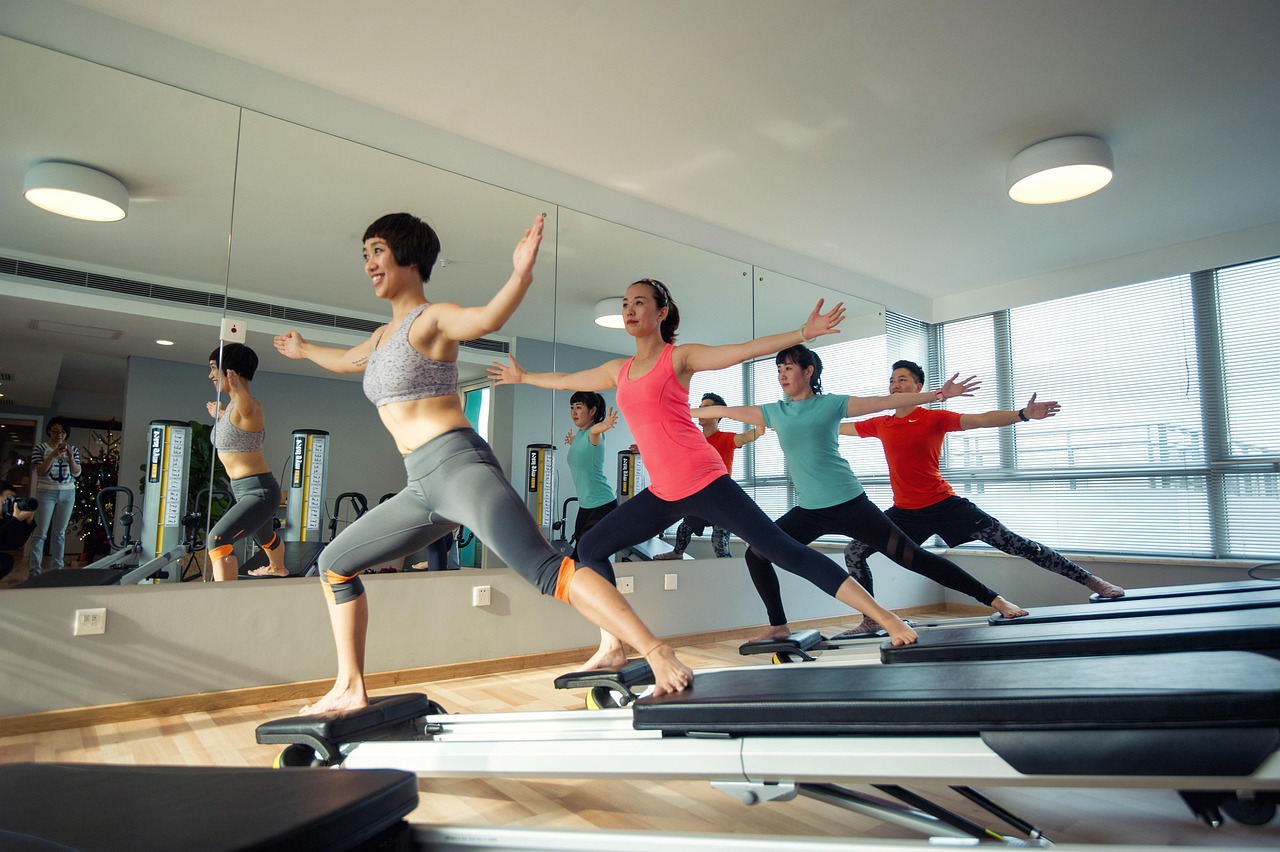
Safety is paramount in any exercise program, particularly for older adults engaging in Pilates. An ideal Pilates environment should be welcoming and accessible, featuring adequate space and appropriate equipment. Softer mats or equipment like the reformer can help cushion joints, providing much-needed support during workouts. Furthermore, instructors must be well-trained to offer modifications for various fitness levels, ensuring individuals feel comfortable and confident in their movements. Hydration is equally important. Maintaining proper hydration before, during, and after exercise helps prevent dizziness and fatigue that can compromise safety. Additionally, proper warm-up and cool-down routines should be included in every session to help prepare the body and prevent injuries. Instructors should encourage participants to listen to their bodies, relieving any discomfort promptly. Having a clear communication channel between participants and the instructor can significantly contribute to a safe learning environment. Creating an inclusive atmosphere where older adults feel supported encourages regular attendance, fostering a sustainable Pilates practice. By prioritising safety, Pilates can become a long-term exercise option for older adults, empowering them to achieve their fitness goals without unnecessary risks.
Many people commonly underestimate the role of recovery in any exercise program, especially for older adults. Recovery is crucial in helping the body adapt and strengthen, preventing injuries while enhancing overall performance. Integrating active recovery days into a Pilates routine allows the muscles to repair and grow stronger without the risk of overexertion. Gentle stretching, low-impact activities, and adequate rest are essential components of effective recovery. Pilates itself promotes active recovery through its focus on stretching and lengthening movements. Additionally, incorporating techniques such as foam rolling can support the recovery process by improving circulation and alleviating muscle soreness. It’s important to remind older adults that rest isn’t a sign of weakness, but rather a necessary part of building endurance and strength. Post-Pilates stretches can aid in reducing muscle tightness and promoting relaxation after a workout. Encouraging self-care practices beyond workouts, such as proper nutrition and hydration, further supports recovery. When older adults understand and value the importance of recovery, they are more likely to engage in consistent Pilates sessions long-term, maximising their health benefits and maintaining an active lifestyle.
Conclusion and Future Outlook
Incorporating Pilates into the lives of older adults presents an array of benefits, especially concerning injury prevention. Focusing on core strength, balance, and flexibility, Pilates enhances overall physical health. As awareness grows regarding the importance of tailored exercise programs for seniors, more individuals are likely to seek out Pilates classes. This increasing trend can drastically improve the quality of life for many older adults. Community programs that promote such inclusive activities can offer valuable resources and environments for seniors. When Pilates classes are combined with educational resources regarding nutrition and lifestyle, older adults can experience a more holistic approach to wellness. Furthermore, ongoing research will contribute valuable information on the long-term impacts of Pilates on the aging population. As instructors and healthcare professionals work together to create specialized programs, elder fitness will continue to evolve, ensuring that accessibility and safety remain top priorities. Ultimately, the integration of Pilates in the lives of older adults can foster a greater sense of independence, empowerment, and joy in movement, enriching their overall quality of life for years to come.