
How to Choose the Right Strength Training Equipment
Choosing the right strength training equipment is essential for achieving your fitness goals effectively. First, you should assess your fitness level and goals. Are you a beginner, intermediate, or advanced user? Beginners may benefit from resistance bands and bodyweight exercises, as they are easy to learn. Intermediate users can consider free weights such as dumbbells and kettlebells to enhance their training regimen. Advanced users might want to invest in a home gym system or weight plates for more extensive workouts. Another factor to consider is your space availability. Small spaces may limit your equipment options. In contrast, larger areas can accommodate various machines and weights. Portable equipment like medicine balls or resistance bands is practical for tight spaces. Additionally, safety should be a priority when selecting equipment. Ensure that whatever you choose has adequate padding and is built to withstand your workout intensity. Lastly, budget constraints are a reality you cannot ignore. Prioritize crucial equipment, like a good quality bench or adjustable dumbbells. In summary, being mindful of your fitness level, space, safety concerns, and budget will help you choose the right equipment effectively.
Another important aspect to consider is the type of strength training you aim to achieve. There are various approaches, such as bodybuilding, powerlifting, or general fitness. Each type benefits from specific equipment. For bodybuilding, multi-gyms or free weights are recommended to target different muscle groups. Powerlifting requires heavier weights and squat racks to maximize strength. General fitness enthusiasts might prefer versatile items like resistance bands, stability balls, or adjustable weights. You may also want to factor in the equipment’s adjustability. Adjustable dumbbells, for example, save space and allow for a range of workouts. Additionally, pay attention to your workout frequency. If you plan on working out consistently, investing in durable equipment is vital. Thankfully, many brands offer warranties, which can serve as a testament to the equipment’s longevity. Remember to always read reviews before making a purchase. Online reviews can provide insights into the user experience and performance, helping you make an informed decision. Don’t hesitate to consult with experienced athletes who can recommend specific brands or equipment types based on their personal training experiences, ensuring you make the best choice.
Understanding Your Muscle Groups
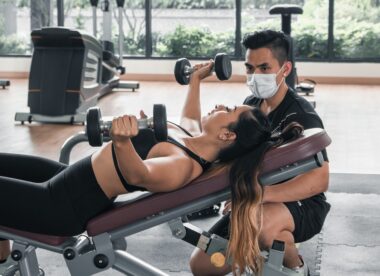
Understanding the muscle groups you aim to target can significantly affect your equipment choice. There are primary muscle groups such as chest, back, legs, and arms, which require specific equipment to achieve effective workouts. If your focus is on chest and arms, a quality bench, along with adjustable dumbbells, will serve you well. For targeting back muscles, consider incorporating a pull-up bar or a rowing machine into your equipment lineup. Legs benefit greatly from squat racks and leg press machines, allowing you to perform both compound and isolation exercises. Additionally, incorporating functional training equipment like kettlebells is great for engaging multiple muscle groups in one go. Remember that cross-training can help prevent injuries and improve overall performance. This means that a balanced approach to strength training is beneficial. Consider equipment that allows for a comprehensive routine. Versatile machines can often provide full-body workouts and target multiple areas at once. Investing in stability balls, TRX bands, or cable systems can enhance your training by promoting balance and muscle coordination. This versatility is essential to avoid equipment redundancy and gym monotony.
Another consideration is the type of material used in manufacturing strength training equipment. Durability and comfort should never be overlooked. Equipment with high-quality materials ensures that it can withstand intense workouts without breaking down. Additionally, the grip on dumbbells or bars made from non-slip material improves safety and comfort while exercising. At the same time, padded weight benches add an extra layer of comfort, reducing the chances of injuries while lifting heavy weights. Also, consider investing in rubber-coated weights or mats to minimize noise when dropping weights. In terms of portability, certain equipment may be foldable or easily transportable, making them suitable for home or travel workouts. Brands vary greatly in terms of quality and design, so it’s crucial to conduct pre-purchase research. Investigate price comparisons across different retailers, and take into consideration any shipping or assembly costs. Ensuring that the equipment aligns with your workouts, space, and financial plans is critical for a successful long-term investment. This selection process will ultimately dictate the effectiveness of your strength training journey.
Setting Up Your Home Gym
Setting up your home gym can be an exciting yet daunting task that involves careful planning. Before starting, it’s crucial to select a dedicated workout space. This can be a garage, basement, or a spare room, as long as there is enough room for your equipment. Make sure the area is well-ventilated, well-lit, and has a flat surface for safety and comfort. During this setup process, think about how often you plan to work out and at what times. If space is small, consider equipment that provides multi-functionality. For instance, a cable machine can ensure comprehensive workouts without occupying much space. Ensure there’s enough room to move freely while utilizing the equipment, preventing accidents or injuries during exercises. Personalizing your gym with motivational posters and installing mirrors can enhance your workout environment, making it visually appealing. Additionally, don’t forget the importance of keeping the area clean. Dust can accumulate on your equipment, shortening its lifespan and affecting its performance. An organized space will encourage consistency and motivate you to reach your fitness goals.
Finding the right workout routine to complement your strength training equipment is also essential. The best routines are tailored to your individual needs and fitness levels. Start with a balanced schedule that incorporates not only strength training but also mobility and flexibility work. This can include exercises like yoga or Pilates, which complement strength training by enhancing range of motion and preventing injuries. Create a progressive overload plan where you gradually increase weights or resistance as you grow stronger. This can aid in building muscle and improving overall fitness. Online resources and apps can be great for finding effective routines tailored to your desired outcomes. Personal trainers can also provide tailored guidance if you’re starting fresh or want to elevate your existing routine. Additionally, consider tracking your progress by taking notes or using fitness apps, which can motivate you and highlight areas for improvement. Remember that consistency is key in achieving strength training goals. Setting short-term and long-term goals can also help you maintain motivation while providing a clear path for your growth journey.
The Importance of Maintenance
Regular maintenance of your strength training equipment is essential for preserving its longevity and effectiveness. Clean your equipment regularly to prevent dust buildup and ensure optimal performance. This can be as simple as wiping down surfaces after each use to maintain hygiene and functionality. Additionally, check moving parts like cables or pulleys for wear and tear, and promptly replace any damaged items to avoid injury during workouts. Greasing joints can also extend machinery life, while proper storage will prevent unnecessary wear over time. Also, understand that proper usage is vital. Follow manufacturer guidelines regarding weight limits and intended use to enhance safety and longevity. If applicable, keep equipment in a climate-controlled area to prevent rust or wear due to humidity. Should any issues arise, reaching out to professional services for maintenance can help preserve your equipment condition. Investing time in these practices ensures you retain a safe training environment and maintain the integrity of your workouts. Overall, a consistent maintenance routine will contribute significantly to your fitness journey and long-term success.
In conclusion, the journey to selecting the right strength training equipment blends knowledge, safety, and personal needs. Start by evaluating your fitness level, identifying targeted muscle groups, and the type of training you aim to pursue. This foundational understanding will guide your decisions. The durability and quality of materials need to be considered, as they contribute to both safety and comfort during workouts. Once you set up your home gym, developing a structured routine aligned with your equipment becomes easier. Regular maintenance of this equipment cannot be stressed enough. Involving a balance of various aspects such as motivation, cleanliness, and proper usage increases your chances of reaching long-term fitness goals. Whether you’re aiming for bodybuilding, powerlifting, or overall fitness, knowing how to choose and care for your equipment will pave the way for success. Remember, consistency, personalization, and attentiveness to your body’s needs are the cornerstones of an effective strength training experience. By following these guidelines, you will be equipped with the knowledge to make informed choices and maximize the effectiveness of your training efforts.