
How Physical Activity Influences Body Composition in Children
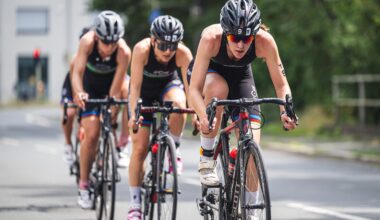
In childhood and adolescence, body composition is crucial as it greatly impacts overall health. Physical activity plays a vital role in determining the amount of body fat and muscle mass in young individuals. Engaging in regular exercise helps build lean body mass while promoting the reduction of excess fat. This balance is essential for preventing obesity and related health issues, such as diabetes, hypertension, and cardiovascular diseases. Kids who are physically active also tend to develop better motor skills and coordination, which contribute to their overall fitness level. Studies show that children who participate in sports or active play experience significant improvements in their body composition. Moreover, understanding dietary habits and their interplay with physical activity is key. Proper nutrition, combined with regular exercise, creates a healthy lifestyle that fosters optimal growth and development. Parents and educators should encourage physical activity among youngsters, reinforcing the importance of staying active for healthy body composition. Engaging in activities like swimming, cycling, or team sports can make exercise enjoyable. Such experiences create lasting positive associations with fitness and health, instilling lifelong habits.
Physical activity impacts body composition through the mechanism of energy balance. This balance is achieved when calories consumed through food equal calories expended through daily activities. When children engage in ample physical activity, they expend more energy, which can lead to a caloric deficit. This deficit is critical for weight management and fat loss. Regular physical activity not only helps regulate body weight but also enhances metabolic rate, even during rest. The combination of aerobic exercises, such as running or playing soccer, and strength training is particularly effective. Children who participate in varied physical activities are more likely to improve their body composition over time. Additionally, active children develop stronger bones and muscles, enhancing their physical capabilities and overall fitness. Schools can play an important role in this by incorporating physical education classes and promoting sports. Programs that encourage cooperative play and team-building also foster social skills, contributing to mental well-being. A holistic approach, where nutrition, physical activity, and emotional support intersect, leads to healthier body composition. To summarize, consistent and varied physical activity contributes effectively to children’s overall health and lifestyle improvements.
In addition to physical health, body composition during childhood affects self-esteem and body image. Young individuals who engage in regular physical activities often report higher confidence levels due to improved physical abilities and body fitness. They feel more capable participating in different sports and social activities, which enhances their social interactions. Furthermore, positive self-image cultivated through physical activity can have lasting effects, leading to healthier lifestyle choices in adulthood. Schools and parents can help by encouraging active play and participating in physical education to foster this sense of capability. By supporting children in finding enjoyable physical activities, adults can contribute to a positive view of their bodies. For instance, dance classes, martial arts, or gymnastics can spark interest in being active. Social reinforcement from peers further boosts motivation and commitment to activity. Moreover, addressing issues like body shaming and promoting acceptance can help create a supportive environment for healthy body composition. Teaching resilience and coping strategies allows children to navigate social challenges related to body image better. Ultimately, promoting positive experiences helps build a strong foundation for enduring fitness and a healthy outlook on body composition.
Long-Term Benefits of Physical Activity
Long-term engagement in physical activity is linked to maintaining a healthy body composition throughout adolescence. Children who establish active habits early on are more likely to continue these behaviors into adulthood. This persistence can prevent the onset of obesity and its associated complications later in life. Understanding how physical activity influences body composition helps inform strategies for lifelong health. Regular exercise strengthens not only muscles but also bones, contributing to overall physical stability and health. Moreover, research indicates that an active lifestyle reduces the risk of developing serious conditions such as diabetes or heart disease. Such preventive measures lead to significant healthcare savings and enhance life quality. In particular, activities that involve cardiovascular fitness, strength training, and flexibility contribute to sustained body composition improvement. Children who find activities they enjoy are often more likely to maintain those behaviors. Parents should engage in discussions about these topics to encourage positive attitudes toward fitness. Together, children and parents can set fitness goals, participate in family activities, or even join local sports leagues. By nurturing these habits, we foster a generation that values physical activity for its long-term benefits.
A community’s role in promoting physical activity among children cannot be overlooked. Safe spaces for outdoor activities, such as parks or community centers, encourage children to be active. Additionally, organized sports leagues provide children the chance to engage in structured physical activities. It’s also essential for community leaders to advocate for safe transportation options so children can travel to these locations easily. Programs that highlight the importance of physical activity can help raise awareness and encourage participation. Local organizations can collaborate with schools to provide after-school programs, community events, and workshops focused on fitness. These initiatives encourage families to participate in activities together, promoting physical activity as a family affair. Furthermore, successful programs often involve partnerships with local businesses, health experts, and trainers who can provide resources and expertise. Communities that prioritize active living create environments where children feel supported and inspired to participate in physical activities. This fosters a culture of health that permeates throughout society, leading to improved overall body composition among children. By investing in these communal efforts, we pave the way for healthier future generations.
Nutrition and Physical Activity Synergy
Nutrition significantly compliances with physical activity to influence body composition in youngsters. Consuming a balanced diet rich in fruits, vegetables, whole grains, and lean proteins provides the nutrients needed for energy and growth. When young people pair healthy eating habits with their physical activities, they optimize their body’s efficiency. Additionally, adequate hydration is vital for maintaining performance during exercise. Children are often unaware of their hydration needs, making it essential for parents to ensure they drink enough fluids. Eating before and after physical activity is also crucial for recovery and muscle development. Meals containing protein and carbohydrates support muscle recovery and replenishment of energy stores. Moreover, teaching children about making healthy food choices creates awareness and promotes self-regulation. Educational programs can provide valuable insights into nutrition and its impact on athletic performance. Family meal times can play a role in reinforcing healthy eating habits. Parents should model healthy behaviors, as children often emulate their caregivers. By integrating nutrition and fitness, we equip children with the tools they need for healthy body composition maintenance. Therefore, this symbiotic relationship should be a focal point in promoting children’s well-being.
Increasing awareness about the significance of physical activity in children’s body composition is necessary among all stakeholders. Educators, parents, and healthcare professionals must collaborate to communicate the importance of active living. Programs and workshops can be organized to educate families about healthy practices and body composition. Utilizing social media as a tool to spread awareness can also encourage the community to get involved. Additionally, schools can introduce campaigns targeting healthy eating and active lifestyles. Engaging children through competitions or challenges may spark their interest. Other strategies such as school-wide events that promote physical activity help instill the value of fitness. Furthermore, providing incentives for participation can motivate children to stay active and healthy. It is crucial to foster environments that encourage children to explore various physical activities. Enabling access to local sports clubs or community centers broadens options for children. As they discover activities they enjoy, it fosters lifelong habits that benefit their body composition. In summary, understanding the multifaceted connection between physical activity, nutrition, and body composition during childhood and adolescence is important for nurturing future generations. Collaborative action among families, schools, and communities is essential for success.