
How Dance Fitness Enhances Coordination Skills
Dance fitness programs effectively improve coordination skills, which are essential for executing various movements and routines. Engaging in rhythmic movements requires the brain to process multiple factors at once. This heightened awareness significantly benefits physical coordination. As participants learn new dance steps, they work on both their fine and gross motor skills, leading to greater body control. The repetitive nature of dance also helps reinforce muscle memory, facilitating more graceful movements over time. Coordination skills influenced by dance fitness benefit everyday activities, enhancing performance even in non-dance settings. For instance, activities like driving, sports, and even walking can see improvement. These enhanced skills can boost confidence, as individuals feel more capable of executing activities that require coordination. In groups, dance fitness fosters a sense of camaraderie, which further encourages participants to engage fully. This supportive community aids in maintaining motivation, inspiring individuals to push their limits and develop their skills. Ultimately, through the consistent practice of dance fitness, individuals will achieve noteworthy advancements in their coordination abilities. This, in turn, contributes to a healthier lifestyle, combining physical fitness with enjoyable social interaction.
One fundamental aspect of coordination is body awareness, and dance fitness enhances this skill significantly. Participants must learn to understand their body movements, spatial orientation, and balance within space and time. During classes, different choreography styles address varied movement patterns, which challenge and develop coordination in diverse ways. For example, salsa dancing involves intricate footwork and quick movements that require quick thinking and adaptability, emphasizing the need for fluidity and precision during execution. Moreover, modern dance styles integrate contemporary music and dynamic moves, further enhancing the element of surprise, making coordination an exciting challenge. Through repetitive practice, the likelihood of mastering these moves increases, solidifying one’s coordination skills. Additionally, dance fitness can break down complex steps into smaller segments, facilitating learning through gradual mastery. This incremental approach allows participants of all skill levels to progress, gaining confidence with each step mastered. Furthermore, dancers often work in pairs or groups, which encourages interaction and collaboration, requiring them to be aware of their partners’ movements, further reinforcing coordination skills. The benefits of enhanced body awareness extend beyond dance, positively impacting various daily activities.
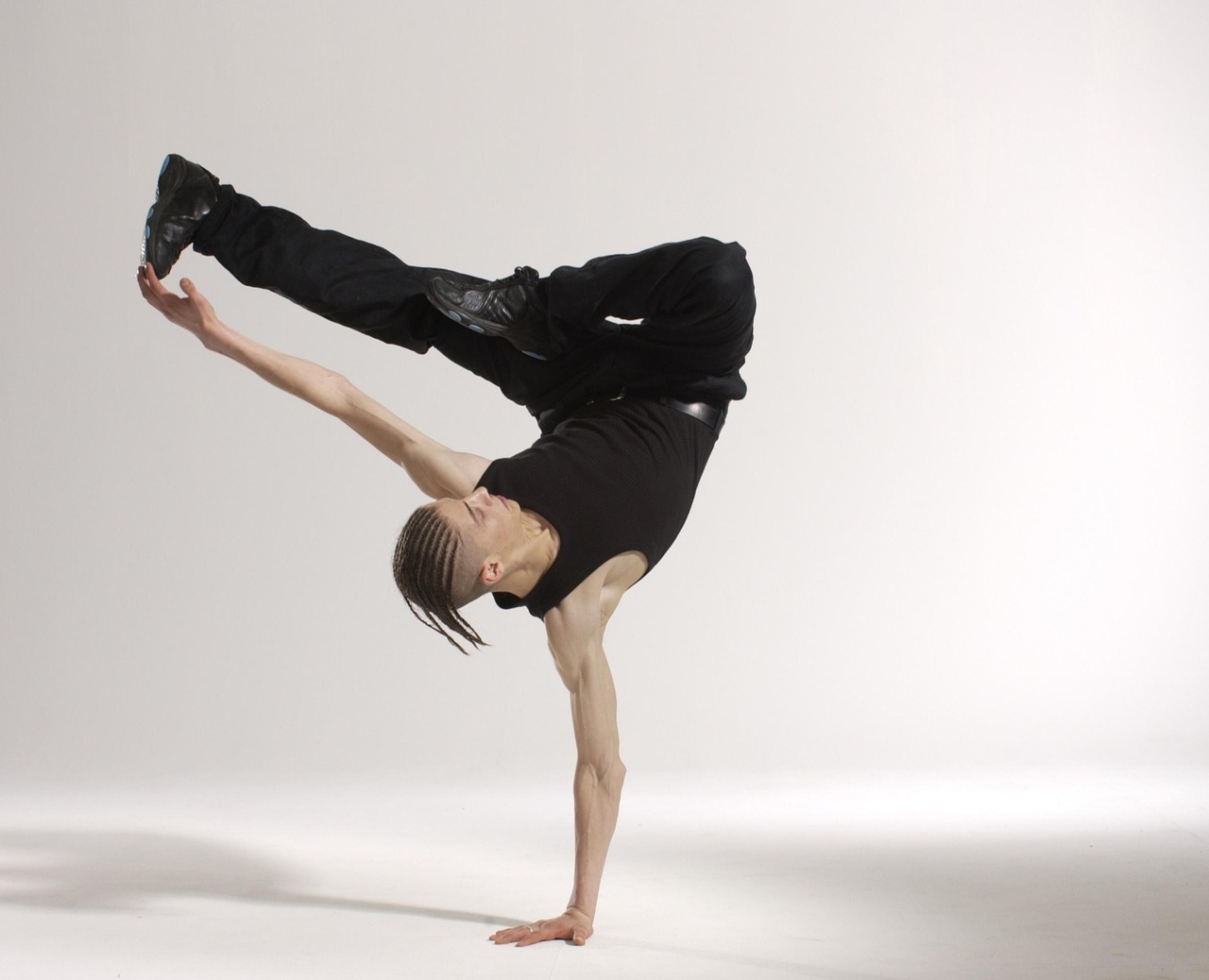
Balance, a critical element of coordination, is intricately linked to dance fitness. As participants engage in various dance styles, they work on improving their stabilizing muscles. Each movement, from jumps to spins, challenges balance which is crucial for executing steps correctly. Stability develops as individuals learn to control their center of gravity and make precise movements. Balance exercises integrated within dance routines improve overall core strength, which significantly influences coordination. The core is vital for maintaining proper posture, contributing to better alignment while dancing. As participants continue to challenge their balance, they experience improvement not only in dance fitness but also in sports and other physical activities. Exercises, such as pliés and tendus, provide excellent opportunities to refine balance while promoting strength and flexibility. Moreover, focus plays a huge role in maintaining balance, requiring dancers to concentrate on the rhythm, technique, and spatial awareness. This concentration translates well to daily life, where navigating uneven surfaces or performing tasks requires a stable foundation. As balance improves, individuals start to feel less fatigued during activities that demand agility and quick directional changes, enhancing their overall physical ability.
The Role of Rhythm in Dance Fitness
Rhythm serves as an integral component of dance fitness, offering invaluable benefits to coordination. Participants learn to synchronize their movements with music, promoting awareness and timing. This skill helps individuals enhance their coordination, as coordinated dance steps depend heavily on rhythm. Music adds an enjoyable dimension to the workout, encouraging participants to move in ways that align with beats. As they practice, their ability to follow rhythmic patterns naturally improves, leading to quicker reaction times in executing movements. Dancing often requires shifting weight and direction, which further engages the brain in coordinating these changes fluidly. Instructors frequently utilize specific musical tempos, challenging participants to adapt their movements to the pace, refining their coordination skills. Furthermore, rhythm encourages creativity, allowing dancers to express themselves while simultaneously improving their physical skills. This self-expression often leads to increased emotional well-being, encouraging participants to continue their dance fitness journeys. In learning to maintain rhythm while enhancing coordination, dancers develop a deeper understanding of movement dynamics that enrich their experiences in dance. This depth of understanding translates into everyday activities, offering numerous personal benefits beyond the dance floor.
Moreover, dance fitness serves as a fantastic corrective measure for improving coordination. Many individuals struggle with coordination due to sedentary lifestyles or previous injuries. Dance fitness provides a low-impact environment ideal for rehabilitation. These classes are designed to accommodate various fitness levels. Participants can engage and gently reintroduce their bodies to movement. Throughout the process, they develop the skills needed for better coordination. As participants progress, they can incorporate more complex dance steps and routines, which challenge their coordination abilities. This encouraged progression aids in building strength and agility, allowing individuals to reclaim lost coordination abilities. Additionally, dance instructors often identify participants who may need extra help with coordination. They can provide personalized modifications or alternative movements to ensure everyone benefits from the class. In this way, dance fitness creates an inclusive atmosphere, making it accessible to all regardless of their starting point. This focus on personalization helps instill a sense of achievement and fosters community spirit among participants. Engaging with others in this supportive environment can motivate individuals to improve their coordination and overall fitness.
Long-Term Benefits of Dance Fitness on Coordination
When participants consistently engage in dance fitness, the long-term benefits are significant for coordination and overall well-being. The continuous practice allows for gradual improvement, aiding muscle memory and establishing your own rhythm. Over time, improved coordination leads to enhanced performance in various other physical activities. Individuals may find themselves excelling at sports, recreational activities, or even simple daily tasks that once felt challenging. As coordination improves, individuals often become more confident in their physical capabilities. This newfound confidence fuels participation in even more activities, fostering an active lifestyle that promotes health and well-being. Furthermore, maintaining an active lifestyle through dance fitness can help prevent age-related coordination decline. Regularly challenging body movements helps keep cognitive functions sharp while ensuring physical abilities remain intact. Socially, a commitment to dance fitness can introduce participants to new friendships and a sense of community, enhancing emotional well-being. As they work toward their coordination goals together, individuals gain encouragement from peers. Engaging in dance creates positive feelings associated with physical movement. Such emotional connections to fitness often yield better adherence rates to exercise, ensuring continued benefits for years to come.
In conclusion, dance fitness provides an engaging and enjoyable way to boost coordination. The combination of rhythmic movement, balance training, and body awareness creates an effective workout regimen for individuals seeking to improve their coordination. Regardless of age or fitness level, anyone can benefit from participating in dance fitness classes. These sessions reinforce several skills, making them invaluable for both dancers and non-dancers alike. The camaraderie and supportive environment fostered within dance fitness programs contribute to motivation and long-term success. Participants experience tangible improvements, witnessing their abilities flourish with consistent practice. This direct correlation between dance fitness and coordination encourages individuals to continue their fitness journeys while deriving immense satisfaction from their achievements. Ultimately, enhanced coordination leads to improved quality of life, impacting day-to-day activities positively. By prioritizing movement through dance, individuals cultivate strength, agility, and grace that benefit them throughout life. Dance fitness goes beyond mere exercise; it is a holistic approach that emphasizes the union of body, mind, and spirit. Those who explore the world of dance fitness discover a fulfilling activity that yields lifelong rewards, creating lasting memories both in and out of the studio.