
How Cool-down Helps Reduce Injury Risk in Cardiovascular Training
In the realm of cardiovascular training, cool-down routines are essential in mitigating injury risks. These routines prevent a sudden heart rate drop by gradually returning the body to a resting state. Engaging in a proper cool-down lowers the chances of blood pooling in the extremities. Blood pooling can lead to dizziness, fainting, or even more severe injuries during intense activities. Effective cool-downs involve gentle stretches and moderate movements that facilitate the relaxation of muscles. Heat built up during exercise can cause micro-tears in muscles, necessitating a cooldown for recovery. Warm muscles are more pliable and less prone to injury. Including static stretches post-workout can enhance flexibility and promote better performance in subsequent sessions. Cool-downs are integral in preparing the body for future workouts. Additionally, they assist in the removal of metabolic waste like lactic acid built up during exercise. Staying hydrated during this process contributes significantly to muscle recovery. Incorporating cool-downs into your routine is not merely a suggestion; it is a practice that contributes to your overall health and longevity in your fitness journey. Thus, it is crucial not to overlook this vital aspect of training.
The Benefits of Cool-down in Detail
Understanding the multifaceted benefits of a cool-down routine in cardiovascular training can lead to better fitness outcomes. One of the primary advantages includes the reduction of muscle stiffness. Cooling down properly assists in preventing soreness associated with intense workouts. Gradual cessation of exercise encourages muscles to relax, which can prevent injuries related to sudden transition. Additionally, cool-down routines promote better circulation by facilitating blood flow back to the heart. Enhanced circulation aids in delivering oxygen to tired muscles, expediting the recovery process. Furthermore, engaging in light activity during cooldowns helps to regulate body temperature. A high body temperature can negatively impact muscle recovery. Proper cooldowns can enhance psychological benefits by providing time for reflection on the workout and goal-setting for the next session. These moments of reflection are essential for keeping motivation high. Involving dynamic movements into the cool-down can also reinforce muscle memory and improve future performance. Incorporating calming techniques such as deep breathing during cooldowns further aids mental focus. Thus, an effective cool-down routine plays a critical role in enhancing both physical and mental aspects of fitness training.
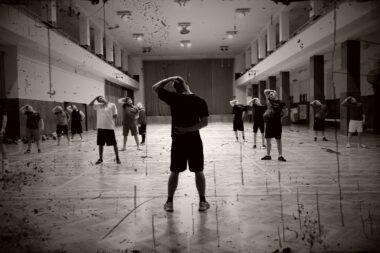
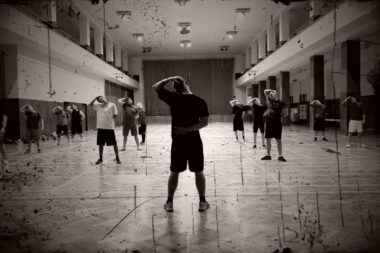
Social support can also enhance the effects of a cool-down, especially in group settings. Engaging with others during cooldowns can motivate and encourage adherence to sustainable fitness routines. A social environment can contribute to increased accountability, which can enhance performance and consistency. When individuals engage in cooldowns together, they create a shared experience that reinforces community bonds and commitment to health goals. Moreover, group cooldown activities can introduce a fun element, turning a potentially monotonous task into an enjoyable experience. There are plenty of gentle activities suitable for cooldowns, such as walking or light yoga. Incorporating breathing exercises, like diaphragmatic breathing, can reduce stress levels and promote relaxation. It’s worthwhile to explore various cooldown styles to find what resonates with you. Learn to listen to your body’s signals during cooldowns, as this will aid in personalized training programs. Engaging in mindfulness practices during cooldowns can also provide emotional balance. Therefore, combining social interaction, enjoyable activities, and mindfulness in your cooldown routine can lead to a more holistic approach to fitness, thus enhancing overall results while minimizing injury risk.
Common Mistakes During Cool-downs
Even though the importance of cooldown routines in cardiovascular training is widely acknowledged, many make common mistakes that hinder their effectiveness. One prevalent mistake involves skipping cooldown altogether. Many individuals tend to rush through workouts, believing that immediate rest will suffice after vigorous exercise. However, skipping cooldown routines can negate the benefits discussed earlier. Another error occurs with haste during the cool-down process. Rapidly transitioning from intense activity to complete stillness is counterproductive and can lead to injury. Individuals should pace their cooldown to enable gradual heart rate decline. Failing to incorporate stretching is another misstep that can impact muscle recovery. Stretching keeps muscles flexible and reduces the risk of injuries. A further oversight is neglecting hydration during cooldowns. Staying hydrated is critical for effective recovery, as fluids help replenish lost electrolytes and support overall muscle function. Finally, a lack of focus on breathing can also hinder the cooldown experience. Practicing controlled breathing helps facilitate relaxation and encourages mental clarity. Avoiding these common pitfalls ensures cool-down routines deliver their maximum potential for safety and recovery in cardiovascular training.
Establishing a consistent cooldown routine is crucial for long-term injury prevention. With repetitive cardiovascular training, the cumulative stress on muscles and joints can lead to overuse injuries if not managed properly. Consistency in cooldown routines helps condition your body to adapt to regular movement patterns, enhancing flexibility and reducing injury risk. By incorporating various techniques, such as foam rolling and static stretching, the cooldown phase can become an opportunity for self-care and body awareness. Take time to analyze your body’s reactions after workouts, adjusting cooldown practices where necessary. Integrating modalities like yoga can provide both physical benefits and mental rest. It allows individuals to explore body limits in a mindful environment. Cooling down in nature can enhance mental well-being as well. Engaging with the outdoor environment can boost mood and alleviate stress. Additionally, seeking professional advice from trainers can provide valuable insights into personal cooldown routines. Understanding individual needs varies for everyone; what works for one may not work for another. Tailoring your cooldown routine based on personal fitness levels can lead to better results in preventing injuries during cardiovascular training.
Conclusion on Injury Reduction
In summary, the process of cooling down is indispensable within cardiovascular training, focusing on reducing injury risk and enhancing overall health. Having established routines enables muscle recovery and prepares the body for future endeavors. It’s essential to emphasize the role of cooldowns in transitioning the body from intensity to rest while promoting muscular flexibility and minimizing soreness. Effective cooldowns are not merely mechanical sequences but involve mindful practices that foster overall wellness. Establishing a balance between physical exertion and recovery enhances performance across all fitness levels. Additionally, staying aware of hydration, nutrition, and breathing further supports recovery and well-being post-training. Setting realistic, tailored cooldown goals can also aid in sustaining motivation and enhancing results. Remember that the journey toward improved cardiovascular performance is a lifelong commitment. Striving to incorporate all aspects of fitness training, including cooldown, ensures improved efficiency in workouts. Embrace the multidimensional benefits cooldowns provide, recognizing their significance in longevity and quality of your fitness journey. Hence, make a conscious effort to engage in thoughtful cooldown practices that support healthy training habits and promote overall well-being.
In conclusion, reducing the risk of injury during cardiovascular training hinges significantly on the practice of cooldown routines. These techniques, often overlooked, play a pivotal role in maintaining both physical and mental health throughout the fitness journey. As you engage in your next workout session, consider the ways your body can benefit from a structured cooldown routine. Embrace the simple, effective methods that contribute to your safety and well-being. Cultivating a habit of ending workouts thoughtfully can lead to enhanced performance, resilience, and, most importantly, reduced risk of injuries. Make cooldowns not just an afterthought but an essential component of your training regimen. Continued awareness regarding the importance of cooldowns fosters a balanced, sustainable approach to fitness endeavors. In moving forward, secure your future health by prioritizing cooldowns in every workout routine. Be mindful of your body’s unique needs, listen closely, and adjust as necessary. Thus, allow cooldown routines to become a treasured tool for injury prevention. By committing to effective cooldown strategies, you significantly reinforce your path toward fitness success, thereby enriching your health and wellness journey overall.