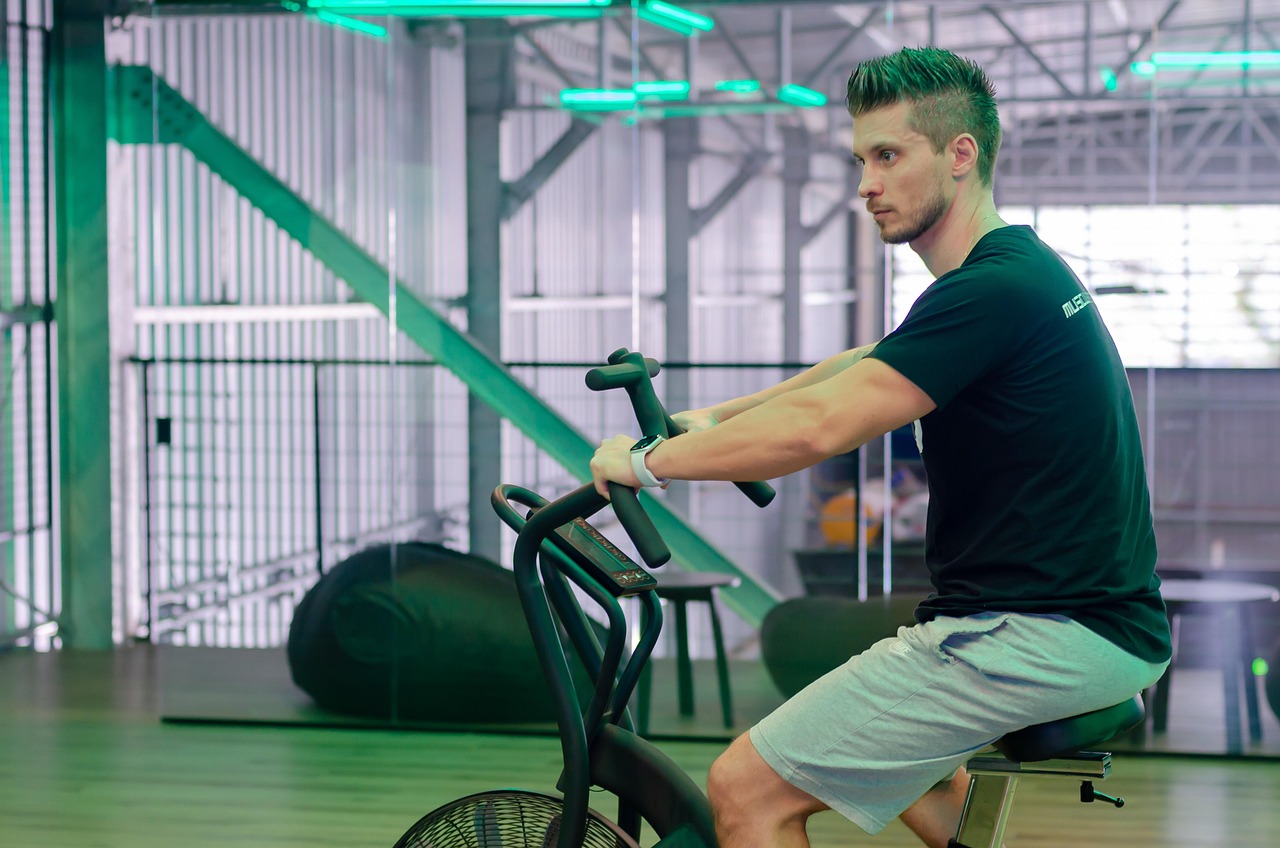

Exploring Virtual Reality Workouts on Spin Bikes
Virtual reality (VR) has revolutionized numerous industries, but its integration into fitness is especially notable. Spin bikes are now being equipped with cutting-edge VR technology, allowing riders to immerse themselves in captivating environments while exercising. This fusion of fitness and technology enhances motivation, making workouts more enjoyable. No longer confined to a dull gym experience, users can cycle through breathtaking landscapes or intense race scenarios. The VR experience can also simulate real-world biking challenges, keeping the workouts exciting. Virtual reality workouts can tailor fitness goals to individual needs, offering customized training regimens. Studies have shown that VR cycling can increase engagement, helping participants push through challenging sessions more effectively. As users traverse virtual trails or compete with others worldwide, the sense of community is amplified. Moreover, VR spin bike workouts can be adjusted for different fitness levels, making them accessible to everyone, from beginners to pros. This democratization of technology offers many the chance to embrace fitness and enjoy the process like never before. As technology expands, the future of virtual reality workouts on spin bikes looks increasingly promising, bridging the gap between technology and health.
Advantages of VR Workouts on Spin Bikes
The advantages of integrating VR technology into spin bike workouts are remarkable and multifaceted. First and foremost, VR can combat boredom, a significant barrier in traditional exercise routines. By immersing users in visually stunning environments, these workouts become engaging experiences. Participants can feel as if they are racing through the beautiful scenery of the Alps or cycling along the coast of a tropical paradise. This sensory engagement makes them less likely to skip workouts. Additionally, VR workouts can enhance users’ focus and concentration, which can sometimes wane during standard spin sessions. Integrating gamification elements, such as rewards and challenges, adds another layer of motivation. Using VR technology, riders can set personal records and receive immediate feedback on performance, further encouraging progress. Another benefit lies in the data collection capacity; VR systems can track cyclists’ performance in real-time, allowing for fine-tuning of techniques and approaches. Furthermore, virtual classes often lead to higher accountability, as participants are more accountable in a group setting. These factors make VR spin bike workouts a significant evolution in personal fitness, merging innovation with results-driven exercise.
Notably, the health benefits of spin biking are already well established, and when combined with VR, these perks are amplified. Engaging in regular biking can improve cardiovascular health, lower cholesterol, and build muscular endurance. Moreover, cycling is low-impact, suitable for various fitness levels and ages, making it a safe option for many individuals. Incorporating VR not only adds motivation but enhances the overall physical experience. Participants are often inclined to work out for extended periods, as the immersive experience distracts from fatigue. The appeal of competing in virtual environments encourages riders to push their limits without physical risks typically associated with outdoor biking. VR environments can replicate hill climbs or sprints, effectively simulating real-world cycling conditions. This realistic training can enhance overall performance when cyclists transition back to on-road biking. Critical to every workout, the mental health benefit should not be overlooked. Exercise induces endorphins that elevate mood, reduce anxiety, and combat depression. The encapsulating nature of virtual ambiance adds to this benefit, providing an enjoyable outlet to relieve stress while getting fit.
Challenges and Considerations
Despite the numerous advantages, integrating VR into spin biking workouts is not without challenges. One primary concern relates to the cost implications of VR technology and equipment. High-quality VR headsets and compatible spin bikes can represent a significant initial investment, potentially excluding some participants from accessibility. Many users may also struggle with motion sickness when utilizing VR, impacting overall user enjoyment and prolonging sessions. Manufacturers must ensure that their VR systems are designed with comfort and user motion in mind to minimize adverse effects. Furthermore, users often require adequate space for their setups, further posing logistical issues. Setting up in smaller living spaces may prove challenging unless solutions are implemented. Besides physical and financial considerations, there lies a learning curve when adapting to this technology. Users unfamiliar with VR may initially find it daunting to operate, potentially discouraging use. Education through accessible tutorials and guidance is essential for overcoming the initial hesitation. Establishing user-friendly interfaces will facilitate increased engagement and smoother transitions for newcomers to this technology.
As the demand for virtual reality workouts continues to grow, the role of social interactions within these environments cannot be understated. Group fitness—whether in person or virtual—is often more motivating and enjoyable for participants. Many VR spin bike platforms incorporate multiplayer functionalities, allowing users to feel a sense of companionship as they work out. Riders can compete with friends or even meet new exercise partners in virtual spaces, enhancing social aspects often missing in traditional workouts. This sense of community refers to purpose, accountability, and encouragement, often leading to improved workout adherence. Additionally, competitive elements, such as leaderboards or multiplayer events, can drive motivation further, pushing riders to achieve better results. The immersive nature of VR can also facilitate participation in diverse biking communities and events, expanding people’s horizons. Overall, fostering social connections through virtual workouts can help alleviate the loneliness some might feel when pursuing exercise. Besides boosting motivation, this can create friendships that extend beyond exercise, transforming fitness routines into shared experiences.
The Future of Spin Biking with VR
As we continue delving into the future of VR technology in spin biking, exciting advancements are expected to manifest. Innovations may lead to enhanced virtual experiences that combine augmented reality (AR) with VR, presenting truly immersive environments that blend the biological concepts of fitness with the cosmetic charm of gaming. Future spin bikes may not only feature advanced VR but integrate biofeedback mechanisms to gauge performance and adjust workouts based on real-time data. For example, sensors could detect heart rates and breathing patterns, adapting challenges to individual capabilities, fostering a tailored experience. Additionally, virtual coaching can provide users with direct guidance during their workouts, increasing personalization. The potential for partnerships between gyms and technology companies means that access may become more widespread. Brick-and-mortar gyms could incorporate VR stations with high-quality equipment, helping to introduce more people to the concept. Collaboration will breed innovation, leading to new spin biking experiences. As the technology rapidly evolves, anticipating these shifts will allow users opportunities to embrace healthier lifestyles through dynamic, enjoyable, and practical workout platforms.
In conclusion, we stand at the precipice of a fitness revolution where technology meets innovative workout regimes. The convergence of virtual reality with spin biking is leading to more engaging experiences that promote not only physical but also mental wellness. The diverse benefits offered through VR workouts are hard to ignore, from vigorous cardiovascular improvement to social incentives fostering accountability among participants. While there are challenges associated with implementation and accessibility, the positive aspects far outweigh these drawbacks. Future advancements aim to make these experiences even more immersive and customized, promising exciting possibilities for all fitness levels. Thoughtful design and development in VR technology can further enhance user satisfaction and performance feedback mechanisms, allowing tailored regimens to thrive. As we explore this cutting-edge landscape, a myriad of options emerges that cultivates inclusiveness in the health and fitness community. Embracing VR technology aligns perfectly within the modern lifestyle, where millions seek varied fitness modalities. In the near future, virtual reality spin biking workouts can become mainstream, creating a global revolution in how people approach exercise, fitness, and overall health.