
Cycling and Cross-Training: Building Power and Endurance
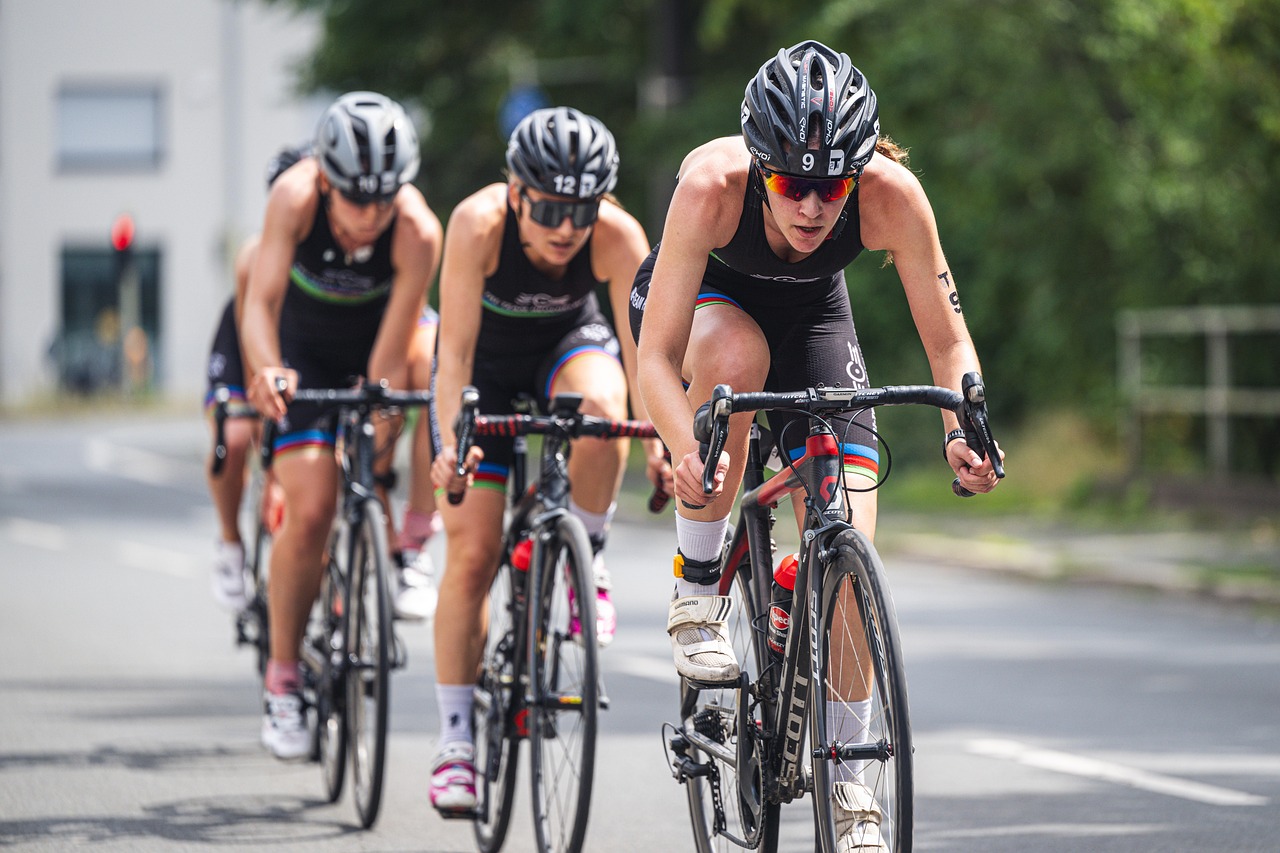
Cycling has emerged as a cornerstone in the domain of cross-training methods, allowing athletes to enhance both power and endurance seamlessly. Athletes from various sports integrate cycling techniques into their routines, capitalizing on the many physiological benefits it offers. Unlike running, cycling is a low-impact exercise. This means it results in less stress on the joints while allowing for high-intensity workouts. For those involved in sports requiring stamina, cycling helps in building a solid aerobic base, indispensable for sustaining prolonged physical efforts. Moreover, cycling strengthens the lower body, particularly the quadriceps, hamstrings, and calves. This strength enables athletes to perform consistently across other training areas. By engaging in cycling, athletes can increase their overall caloric burn, further aiding in weight management and improving metabolic efficiency. Whether casually or competitively, cycling provides a versatile workout that can be tailored to any skill level. As athletes blend cycling with other forms of training, they cultivate a comprehensive physical preparation that enhances their overall performance. This integration ensures they are well-rounded, working all necessary muscle groups for optimum athletic success.
Furthermore, the incorporation of cycling into a cross-training regimen promotes cardiovascular health and improves endurance levels significantly. Regular cycling routines stimulate the heart, enhancing its capacity to transport oxygen-rich blood to muscles. Enhanced cardiovascular health leads to better stamina, which is crucial for athletes aiming to sustain longer durations of exercise and maintain efficiency during critical performance phases. For instance, soccer players, runners, and swimmers can gain substantial benefits from cycling, as it targets specific muscle groups while simultaneously developing their aerobic threshold. By varying cycling intensities—such as incorporating high-intensity interval training—athletes can boost their fitness levels rapidly. This variation improves both aerobic and anaerobic systems, giving athletes a diverse range of training stimuli. Moreover, the ability to measure performance metrics, such as speed and distance covered, allows athletes to track their progression effectively. This data can be crucial for fine-tuning training sessions based on performance needs. Cycling can be performed indoors or outdoors, facilitating year-round training. Hence, it becomes a pivotal tool in their overall training toolkit, allowing athletes to constantly push their limits and enhance their physical prowess.
Strength Training via Cycling
Integrating cycling into strength training facilitates an effective method for building muscle mass while engaging in aerobic exercise. The resistance encountered while pedaling, particularly when cycling uphill or against the wind, mimics strength-building exercises. This approach actively recruits muscle fibers, leading to increased muscle strength and size. Cyclists often notice developments in their overall physique, with well-defined legs and improved core strength. Core engagement is critical during cycling, as maintaining balance and control targets abdominal and back muscles. Furthermore, utilizing stationary bikes allows for unique training options, enabling performance against different resistance levels. Resistance training through cycling doesn’t only enhance physical appearance; it also increases functional strength. This increased strength translates directly into better performance in other sports, where the power involved is critical. Adding cycling to a workout routine also has psychological benefits, enhancing mood and reducing stress through the release of endorphins. The cross-training aspect reduces the monotony of regular workouts, providing variety and maintaining athlete interest. This amalgamation of improvement across physical and mental domains makes cycling an invaluable addition to any sports performance training regimen.
Additionally, cycling offers versatility in training environments which is paramount for athletes adapting to various competition settings. For example, athletes can shift their cross-training from flat tracks to scenic hills, enhancing their performance dynamics. Such diversity in training intensity prepares athletes for the unpredictable nature of their specific sports. Cyclists can engage in both outdoor rides and indoor sessions using stationary bikes, providing flexibility in training plans. Appropriately utilized, cycling helps athletes develop requisite skills, such as pacing and recovery strategies, essential for maintaining endurance during competitions. Cycling also encourages teamwork when engaging in group rides which imitates competitive environments in other sports. The camaraderie established in group training sessions strengthens relationships among athletes—serving as motivation for training consistency. Hence, the psychological aspects also enhance the overall sporting experience, pushing athletes toward achieving their goals. Individual progress tracked through cycling plays a crucial role in goal-setting and realism within their training program. Consequently, as athletes become aware of their improvement through metrics, they gain intrinsic motivation to push further beyond their limits. Thus, cycling effectively harmonizes training and competition preparedness across various sports disciplines.
Recovery and Cross-Training
In the realm of sports performance, recovery cannot be overlooked, and cycling serves as an optimal recovery strategy. Active recovery methods are essential to ensure athletes minimize muscle soreness and fatigue post intense workouts. Cycling, with its low-impact nature, promotes blood circulation, which in turn facilitates the process of muscle recovery efficiently. The gentle workout effectively flushes out lactic acid and other byproducts from muscle exertion, enhancing overall recovery rates. Athletes engaging in recovery rides can target specific heart rates, allowing for a scientifically backed approach to restorative training sessions. For example, athletes may consider incorporating low-intensity cycling post strenuous workouts to experience the recovery benefits effectively. As a means of mental recovery, the combination of cycling with scenic environments can offer psychological respite, providing both physical activity and mental relaxation. This approach allows athletes to enjoy their workouts while benefiting from physical recuperation. Furthermore, the versatility of using cycling for recovery extends to all levels of athletes, making it accessible. Thus, regardless of a training schedule’s intensity, athletes can find time to include cycling as part of their recovery strategy, ensuring they remain primed for sustained performance.
Moreover, cycling aids in injury prevention, a crucial aspect for athletes in any sport. By engaging in low-impact workouts, cyclists can reduce their risk of overuse injuries common with high-impact activities like running. The balanced strength cultivated through cross-training promotes muscle symmetry, ultimately supporting proper joint function, reducing imbalances that can lead to injuries. Athletes often turn to cycling to rehabilitate from injuries while still maintaining conditioning, thereby ensuring they do not lose fitness. By tailoring cycling workouts during rehabilitation phases, athletes remain active and motivated, facilitating a quicker return to their primary sport. The neurological connections established through cycling can enhance coordination and proprioception— vital skills for every athlete. Additionally, cycling can serve a secondary role in enhancing specific skills, such as balance and agility. As these qualities are paramount in most sports, athletes enhance their training outcomes comprehensively. The result is a well-rounded training regimen that emphasizes resilience, enabling athletes to navigate competition schedules while keeping injury risks minimal. Therefore, cycling emerges as a favorable contribution to cross-training strategies focused on injury prevention and performance enhancement.
Conclusion
In summary, cycling’s incorporation into cross-training methods significantly strengthens athletes’ performance both physically and mentally. By building power and enhancing endurance, athletes are afforded a multifaceted approach to training, fostering comprehensive development and growth. The advantages are evident across various aspects, including improved cardiovascular health, strength development, injury prevention, and psychological benefits. Athletes can utilize cycling as a custom fit for their specific training needs, adjusting intensity and frequency levels to concur with their objectives. The measurable metrics derived from cycling exercises provide motivation and opportunities for personal accountability while allowing athletes to track performance improvements effectively. By embracing cycling, athletes can also establish new social dynamics, forming supportive networks through group rides that motivate consistency and enjoyment in the training process. Therefore, the integration of cycling stands as a game-changer in amplifying performance outcomes across sports. The capacity to train year-round, enjoy the varied landscapes, and experience the significant benefits confirms cycling as a leading method in cross-training. Ultimately, adopting cycling as a primary modality in athletes’ training regimens not only enhances their performance but also augments their overall well-being for sustained success in their sports endeavors.
This exploration into cross-training through cycling indeed underscores its critical role in optimizing athletic performance and endurance capacity. With a commitment to training, athletes can leverage cycling to unlock new thresholds in their sport, achieving strides far beyond traditional training bounds. As the sports landscape continues to evolve with innovative training methods, cycling stands out as an essential tool in any athlete’s toolkit. Integrating cycling into a comprehensive training program fosters adaptability and resilience. Future competitive athletes can undoubtedly benefit from this approach in their endeavors. Riding through varying terrains enhances muscular engagement, leading to an overall solid fitness foundation. Additionally, the pleasure derived from cycling means athletes are likely to remain dedicated to their training, further reinforcing its place as a center point of cross-training. In the end, the blend of cycling into various disciplines equips athletes to succeed, ensuring they can not only reach their fitness goals but also surpass them with consistency and intent. Ultimately, the maintained engagement, continual learning curve, and vibrant community fostered through cycling are invaluable. With cross-training shaping athletic trajectories, cycling contributes significantly to establishing pioneering athletes who thrive in competitive realms.