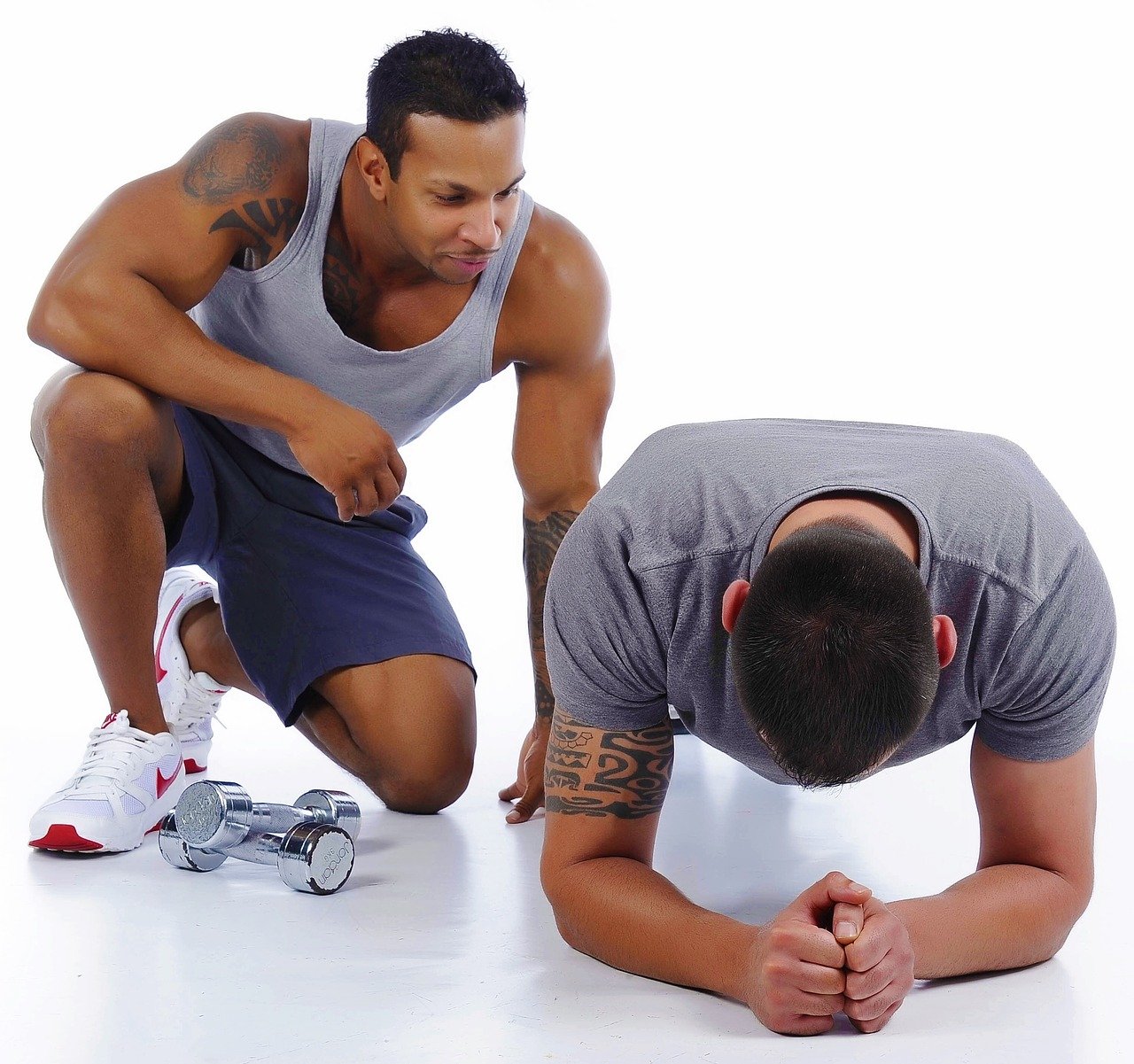

Benefits of Core Strengthening for Overall Fitness
Core strengthening is vital for achieving overall fitness and enhancing physical performance. The core encompasses various muscle groups, including the abdomen, lower back, pelvis, and diaphragm. By focusing on core strength, individuals can improve their stability, balance, and coordination, which are essential for nearly every athletic activity and daily movement. A strong core supports the spine, reducing the risk of injury during exercise or strenuous activities. Furthermore, core strengthening enhances athletes’ performance, allowing them to execute movements more efficiently, leading to improved results. Beyond physical capabilities, core strength is linked to improved posture, which can alleviate problems such as back pain. When the core muscles are strong, they contribute to better spinal alignment and reduce strain on surrounding muscles. Thus, incorporating core strengthening exercises into a fitness routine can lead to greater overall well-being. For those beginning their journey, variations such as planks, bridges, and leg raises can be effective starting points. Adopting a targeted approach toward core training can yield significant improvements in fitness levels, making it easier to engage in various physical activities.
Engaging in core strengthening also plays a crucial role in enhancing athletic endurance. As individuals strengthen their core, they experience improved stamina and can perform longer without fatigue. Runners, for example, notice that a well-developed core allows them to run longer distances with better form and less effort. By engaging the abdominal and back muscles effectively, they stabilize their bodies through varied terrains and maintain consistent speeds. The significance of the core doesn’t stop with runners; athletes across all sports, including swimming, cycling, and gymnastics, find that core stability translates into better performance. Regular core exercises contribute to increased power and agility. Enhanced endurance directly impacts one’s ability to train harder and recover more swiftly. Furthermore, improved core strength aids in coordination, allowing athletes to move seamlessly from one exercise to another. On the other hand, for those less inclined toward high-intensity workouts, maintaining a strong core is still beneficial. It aids in everyday tasks, such as lifting heavy objects, gardening, or even standing for extended periods. Thus, a robust core fosters a more active lifestyle, supporting both athletic and casual pursuits.
Improved Posture and Balance
Good posture is a hallmark of fitness, and core strengthening exercises play an essential role in achieving it. Many people experience poor posture due to sedentary lifestyles, prolonged sitting, or poor ergonomic setups. Strengthening the core leads to better support for the spine, reducing slouching and promoting an upright position. Proper posture not only enhances physical appearance but also reduces strain on muscles and ligaments. When the core muscles are properly engaged, they help position the body correctly, minimizing the chances of back and neck pain associated with improper posture. With consistent core strengthening, individuals will notice that they feel more aligned and balanced. This stability is crucial for everyday activities and athletic performance. Additionally, a strong core helps maintain the body’s center of gravity, essential for balance. This can prevent falls and injuries, especially in older adults. By incorporating core exercises into fitness routines, individuals can improve their overall stability and prevent common issues associated with poor posture. Simple at-home exercises, such as bird-dogs and Russian twists, can facilitate this transformation and foster a better, more active living environment.
Incorporating core strengthening routines can significantly enhance injury prevention and rehabilitation outcomes. Core muscles serve as a stabilizing force for the entire body; when they are weak, other muscle groups must compensate, potentially leading to imbalances and injuries. Strengthening the core can help mitigate these risks by providing improved support for the spine and joints, making daily moves safer and reducing the chance of injuries during physical activities. Those recovering from injuries often find that rehabilitation programs emphasize core stability to help facilitate a return to regular activity. With a strong core, individuals can continue their fitness journeys with greater peace of mind, knowing they are less likely to sustain further injuries. Beyond injury prevention, stronger core muscles can also expedite recovery processes. By focusing on the core, individuals can optimize their movement patterns, allowing them to adapt more easily to exercise and daily tasks. This adaptability fosters endurance and allows for consistent training efforts. Over time, better outcomes in physical therapy and daily activities can lead to increased confidence and a more active lifestyle, reinforcing the benefits of ongoing core strengthening.
Enhanced Performance in Sports
For athletes, core strength directly translates to enhanced performance. It has a profound impact on stability, power, and efficiency during physical activities. With a strong core, athletes can execute complex movements with fluidity, reducing energy expenditures while maximizing effectiveness. This is crucial in sports where balance and agility are key factors, such as soccer, basketball, and skiing. Athletes with developed core muscles often experience improved reaction times and a heightened ability to perform multi-directional movements without losing form. Core strength also plays a significant role in injury prevention in sports. When athletes engage in dynamic movements, a strong core stabilizes their bodies, allowing them to withstand the physical demands of high-impact sports. Furthermore, sports performance often requires sudden bursts of energy, like sprinting and jumping. A strong core provides the foundation necessary for transferring energy through the limbs, resulting in better performance metrics. For athletes seeking competitive advantages, core strength training is a non-negotiable component. By implementing targeted core workouts, athletes can achieve remarkable improvements in their proficiency and overall performance, which ultimately contributes to success in their respective sports.
The benefits of core strengthening extend to mental health as well. Engaging in regular core exercises promotes physical activity, which is linked to positive mood enhancement and reduced stress levels. As individuals participate in core workouts, they experience increased blood flow and the release of endorphins, the hormones responsible for feelings of happiness. Regular physical activity habits can help mitigate symptoms related to anxiety and depression, promoting overall mental well-being. Developing a consistent core strengthening routine fosters discipline, goal-setting skills, and enhanced self-esteem. Individuals become more attuned to their bodies, recognizing their progress and improvements in stability and strength. This awareness boosts confidence levels, encouraging them to further their fitness journey and tackle new challenges. Core strength training also promotes mindfulness, as focus is required to engage and stabilize muscles during exercises. Through these sessions, individuals can cultivate mental resilience, leading to better handling of daily stressors. The dual benefits of physical and mental health underscore the importance of integrating core strengthening into regular fitness routines, ultimately supporting a well-rounded approach to health.
Practical Applications of Core Training
The practical applications of core strengthening are evident in both athletic and everyday contexts, enhancing performance in numerous domains. As individuals engage in core workouts, they become increasingly aware of their body mechanics, which positively impacts functionality across various activities. For instance, lifting heavy loads, whether in a gym or workplace setting, becomes easier when core muscles are strong. This ease extends to recreational activities like hiking, where core stability helps maintain balance even on uneven terrains. Athletes discover that core workouts improve their agility, enabling them to respond swiftly in competitive environments. Moreover, the functional strength gained from core training extends to everyday tasks, such as bending, twisting, and carrying. In maintaining a strong core, individuals can execute movements with reduced risk of injuries. Furthermore, core strengthening fosters better breathing techniques, essential for endurance sports and overall vitality. As respiratory efficiency improves, so does performance capacity, allowing individuals to engage more fully in their preferred activities. These practical benefits illustrate the integral role core strength plays in enhancing both performance and safety during everyday tasks and sports.
In conclusion, core strengthening is vital for anyone seeking to improve overall fitness. It supports athletic performance, enhances injury prevention, and promotes better posture and balance. Moreover, the mental health benefits offer a holistic perspective on well-being. Incorporating core exercises into regular routines is essential for those aiming to achieve their fitness goals, regardless of age or fitness level. While traditional exercises such as sit-ups and planks are effective, there are numerous variations and modalities available. Individuals can explore options like Pilates, yoga, and resistance training to keep workouts fresh and engaging. For many, the journey of core strengthening is rewarding as they witness progress and improvements, fostering a strong connection between mind and body. As awareness around fitness continues to grow, core training’s importance remains clear. It provides the foundation for a balanced life, whether in sports, fitness, or daily routines, encouraging healthier and more active lifestyles. Ultimately, a commitment to core strengthening yields tangible results, making it a critical component of any fitness regime and a dynamic pathway to achieving personal health objectives.