
Bench Press Techniques for Powerlifters vs Bodybuilders
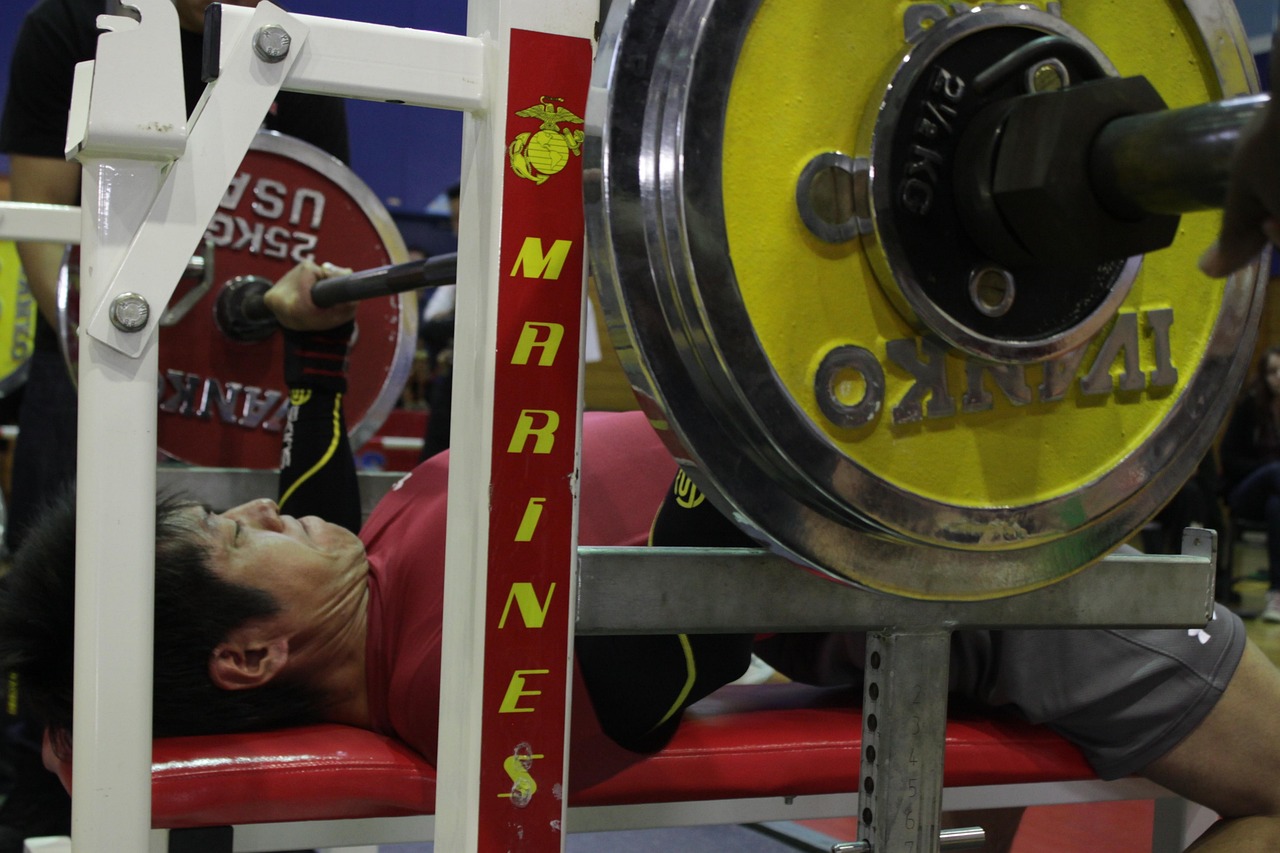
The bench press is a staple in strength training, revered by both powerlifters and bodybuilders. For powerlifters, the technique focuses on maximal strength, requiring specific adjustments. They emphasize a strong leg drive and arch the back more prominently to optimize power transfer. Foot placement is crucial, as powerlifters often rely on a wider grip to enhance elbow positioning. In contrast, bodybuilders prioritize muscle hypertrophy. Their bench press technique is less about maximizing weight and more about targeting the pectoral muscles effectively. A narrower grip increases stress on the chest, allowing for better pump and muscle-building engagement. Both groups should ensure proper form to prevent injury, keeping the wrists straight and maintaining a controlled tempo throughout the lift. Additionally, a thorough warm-up is essential for preventing strain. Powerlifters typically engage in specific warm-up sets, while bodybuilders may incorporate lighter accessories to prep the muscles. In conclusion, understanding these nuances equips athletes to tailor their bench press techniques based on their individual strength goals, maximizing performance outcomes in their respective training routines.
The powerlifting community emphasizes heavy lifts, requiring a unique approach to the bench press technique. One fundamental aspect is the arch created in the back during the lift. This position not only reduces the range of motion but also engages the upper back and shoulder muscles, enabling a more powerful pressing action. The leg drive, whereby the legs are firmly planted and driving into the floor, aids in initiating the lift. This allows for more explosive power right from the beginning. Additionally, the positioning of the elbows is critical; powerlifters favor a more tucked elbow position to mitigate shoulder strain. This creates a path that favors the strength of the triceps movement. On the other hand, bodybuilders employ a technique that often involves a broader range of motion. They focus on lowering the bar to the chest slowly, emphasizing the eccentric phase. This method leads to added tension in the muscles, essential for muscle growth. Moreover, breathing techniques differ, with powerlifters managing breath to stabilize their core while bodybuilders may use breathing to maximize the pump and vascularity during the lift. Both styles have their merits and are effective when applied correctly.
Nutrition for Optimal Performance
Nutrition plays a pivotal role in the success of both powerlifters and bodybuilders. For powerlifters, whole foods rich in protein, complex carbohydrates, and healthy fats are vital for fueling heavy training sessions. Consuming adequate calories ensures energy supply, promoting recovery and strength gain. Foods such as lean meats, legumes, whole grains, and healthy fats are staples in their diets. They often time their nutrition around workouts, ingesting protein and carbohydrates pre and post-session to maximize strength and recovery. Conversely, bodybuilders focus on diet strategies that support muscle growth and fat loss. High protein intakes are essential, often through meals containing chicken, fish, tofu, or supplements like protein powders. Carb cycling is prevalent among bodybuilders, where they manipulate carbohydrate intake to maximize fat burning while still supplying the necessary energy for intense training. Additionally, hydration is critical for both groups, as it impacts performance and recovery. Pre- and post-workout nutrition sets the stage for effective training, thus different approaches are tailored to their unique training objectives ensuring sustained progress and performance.
Another vital aspect is the training frequency and volume related to bench press. Powerlifters usually adopt a lower volume approach to maximize strength gains while still adhering to specific periodization. This usually involves focusing on a few heavy lifting days complemented by deloading phases. This strategy enhances recovery, allowing them to lift heavier weights effectively and safely. They may train bench press once or twice a week, focusing on the heavier lifts followed by accessory work to reinforce weaker points. This contrasts starkly with bodybuilders, who favor higher training volumes. They may hit the bench press multiple times a week, emphasizing various rep ranges to induce hypertrophy. Their focus on muscle fatigue encourages them to include many different variations such as incline and decline presses to target different areas of the chest. Furthermore, contrast techniques like supersets and drop sets are utilized by bodybuilders to maximize stress on the muscles. By understanding personalized training frequencies and volume based on their distinct goals, powerlifters and bodybuilders can develop strategies that yield optimal results in their respective pursuits.
The Role of Technique in Injury Prevention
Proper technique in bench pressing not only enhances performance but also plays a crucial role in preventing injuries, which is a significant concern for both powerlifters and bodybuilders. For powerlifters, mastering the technique helps safeguard their joints, particularly the shoulders and wrists, during intense lifting. Powerlifters are susceptible to injuries from excessive weight or poor form. Therefore, proper elbow alignment, wrist positioning, and back arching are emphasized to reduce strain and risk. Bodybuilders, while aiming for hypertrophy, must also be wary of imbalances that can occur due to the emphasis on aesthetic-focused lifting. This necessitates incorporating both compound and isolation movements to ensure balanced muscle development. Furthermore, aspects such as maintaining a stable grip and ensuring the bar is controlled throughout the lift reduce the likelihood of acute injuries. Additionally, warming up properly and incorporating mobility exercises enhance joint health and range of motion. By recognizing the importance of technique, both groups can mitigate injury risks while continuing to make progress toward their individual goals, ensuring long-term success in their training regimen.
Recovery methods differ significantly between powerlifters and bodybuilders, influenced by their unique training demands. Powerlifters prioritize recovery techniques that facilitate muscle repair and restore their energy reserves efficiently. This often includes rest days and active recovery sessions focusing on flexibility and mobility. Many powerlifters utilize modalities like foam rolling and massage to alleviate muscle soreness and promote blood flow. Sleep is also a critical component, as it plays a substantial role in recovering from intense training sessions. Powerlifters often require more rest with longer durations spent between sets during workouts to enhance recovery efficiency. Bodybuilders, on the other hand, may adopt different recovery strategies that center on managing muscle fatigue created by high training volumes. They integrate techniques such as extended stretching routines and contrast baths to alleviate soreness. They also emphasize the importance of nutrition post-exercise, ensuring they consume necessary proteins and carbohydrates to fuel recovery. Thus, recognizing and implementing the appropriate recovery strategies based on training intensity and frequency significantly affects overall performance and progress in their respective fields.
The Importance of Accessory Work
Accessory work is crucial for both powerlifters and bodybuilders, serving to reinforce the main lifts and ensure balanced muscular development. In powerlifting, accessory movements aim to build strength in specific muscle groups involved in the bench press. In particular, exercises such as tricep extensions, rows, and shoulder presses are incorporated to enhance power in the lift itself. Additionally, strengthening the stabilizing muscles through variations such as board presses and close-grip bench presses bolsters overall pressing power while reducing injury risk. Bodybuilders, conversely, place a greater emphasis on replicating the aesthetics of muscle shape and size through their accessory workouts. They often utilize different angles to target the chest from multiple perspectives, enhancing overall size and symmetry. Isolation exercises like dumbbell flyes or cable crossovers are effectively used to stimulate chest growth, ensuring the pecs are fully worked. Both groups should also recognize the value of unilateral movements for enhancing imbalances and symmetry in strength, providing a well-rounded development. Incorporating the right accessory exercises plays a significant role in pushing athletes toward their individual objectives while maintaining a healthy training balance.
In essence, the approaches to bench press techniques differ significantly between powerlifters and bodybuilders, shaped by their distinct goals and training philosophies. Powerlifters focus on maximizing strength and efficiency, employing technique that allows them to lift the maximum weight possible. This entails a higher emphasis on leg drive and maintaining a tight arch in their back. In contrast, bodybuilders prioritize muscle engagement and aesthetics, often utilizing a wider grip and varying angles to achieve the most significant muscle stress for growth. Understanding these critical distinctions in the bench press techniques allows trainees from both backgrounds to better tailor their training routines. By applying the principles from both powerlifting and bodybuilding, athletes can enhance their lifts, prevent injuries, and improve overall performance. Recognizing the necessity of balanced nutrition, proper recovery methods, and supplementary accessory work helps in achieving optimal results in their respective training journeys. Ultimately, the bench press remains a vital exercise in both disciplines, showcasing the importance of tailored techniques that match individual training goals. Through consistent practice and dedication, both powerlifters and bodybuilders can excel in their lifting and achieve their desired outcomes.