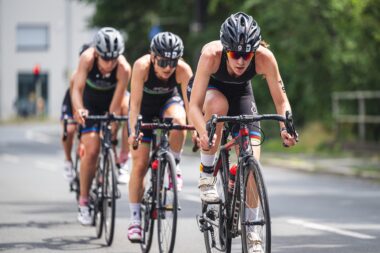

The Role of Core Strength in Enhancing Cycling Stability
Cycling performance significantly benefits from core strength, emphasizing stability during cycling activities. A strong core enhances the cyclist’s ability to maintain an effective aerodynamic position without excessive strain. When the core is weak, a cyclist may feel excessive fatigue and discomfort quickly, particularly over extended rides. Weak core muscles results in poor alignment and an increased risk of injury. Additionally, effective energy transfer during pedaling is reliant on a strong core, as it serves as a powerhouse. Research indicates that cyclists with stronger core muscles experience better overall performance. They have a smoother pedal stroke resulting in a more efficient long-distance ride. Furthermore, core strength enables improved muscle coordination through various muscle groups, helping cyclists manage the most challenging terrains. Improved stability ensures that energy is directed into the bike, propelling it forward. Core exercises such as planks and bridges can boost overall strength effectively. Emphasizing a structured training program integrating these elements will yield noticeable differences in cycling performance. Consequently, cyclists aspiring to competitive levels should prioritize core strength training in their routines to enhance their cycling stability further.
In addition to direct performance improvements, enhanced core strength contributes to better posture while cycling. Bad posture can lead to chronic pain and discomfort, detracting from the joy of cycling. Cyclists with strong core muscles are more likely to maintain optimal positioning for extended periods. Poor posture often manifests in the upper body, resulting in tension in the shoulders and neck. This can negatively affect the overall cycling experience. With a strong core, cyclists can distribute their weight more evenly across the bike, thus reducing excess strain on the back and preventing overuse injuries. Investing time in postural exercises is essential for cyclists, ensuring that they not only perform well but also remain comfortable while riding. Furthermore, maintaining optimal posture eases energy expenditure, thus allowing cyclists to ride longer distances without anxiety regarding fatigue. Core-focused workouts should become an integral part of training schedules for optimal cycling efficiency. Many models and advocates of core workouts advocate the use of yoga and Pilates to develop a robust core. Engaging in such activities not only emphasizes core strength but also offers balance and flexibility benefits, enhancing the overall cycling experience.
The Connection Between Core Strength and Balance
Balance is crucial in cycling, and core strength plays a vital role in achieving it. A cyclist’s balance influences their ability to navigate turns and descents confidently. Core stability, achieved through targeted exercises, enhances a rider’s capacity to maneuver through these challenging conditions effectively. A well-developed core allows cyclists to shift their weight seamlessly as they navigate hills or sharp turns, creating a smooth riding experience. Riders with flexible and strong cores are less likely to wobble when turning or riding over rough terrain. Incorporating balance exercises into core training can amplify this benefit significantly. A balanced body offers enhanced control, leading to safer rides, especially during high-speed descents or in cluttered environments. Moreover, excellent balance minimizes the risk of falling, a crucial aspect of cycling safety. To improve balance, cyclists can practice stork stands, lunges, and other stabilization routines. These balance-enhancing exercises also strengthen the core, amplifying the overall benefits experienced. An investment in balance training drastically impacts performance; cyclists should not overlook this essential aspect of their training regimens.
Core strength in cycling goes beyond immediate performance; it also helps in post-ride recovery. A strong and flexible core aids in muscle recovery and reduces stiffness after intense cycling sessions. Soreness can often hinder training, making it critical for serious cyclists to prioritize this aspect. Many athletes find that a strong core helps alleviate muscle strains and supports the spine, which can endure significant stress during long rides. Cyclists should focus on a balanced approach to training that includes core strengthening and flexibility work. Stretching targeted areas following workouts promotes recovery, allowing cyclists to return to the road sooner and stronger. Additionally, better recovery diminishes injury risk, significantly enhancing long-term cycling durability. Engaging in recovery sessions that include core conditioning provides notable benefits. Many professional cyclists advocate for this recovery strategy, emphasizing its importance. Embracing this concept should be standard for every cyclist aiming to improve not just performance, but overall longevity in their sport. In conclusion, proper core training emphasizes not only performance but recovery, creating a more holistic cycling approach.
Essential Core Exercises for Cyclists
Incorporating specific exercises into a training regime is crucial for developing core strength effectively. An essential exercise is the plank, a staple favorite among cyclists; it enhances core stability by engaging multiple muscle groups simultaneously. Cyclists can also benefit from side planks, targeting the obliques while promoting lateral stability. Another effective exercise is the Russian twist, which focuses on rotational strength necessary for navigating turns. These exercises can be modified to fit all fitness levels, enabling cyclists to increase intensity as their strength develops. Bridges improve lower back strength and are great for building glutes, which support pedaling. Adding dynamic movements such as mountain climbers enhances cardiovascular capabilities while developing core endurance. Other actions like bicycle crunches stimulate abdominal strength essential for maintaining a strong cycling position, helping with energy transfer while pedaling. Creating a balanced program combining these exercises produces optimal results in core stability and strength. Gradually increasing workout intensity will yield even higher performance improvements over time. Cyclists should aim for a consistent schedule to reap the benefits of these key exercises throughout training.
As cyclists enhance their core strength, they may also notice improvements in their mental focus and attitude. Physical strength tends to foster mental resilience and confidence, driving individuals to undertake longer and more challenging rides. A robust core contributes to overall body awareness, helping cyclists tune in to their bodies better, significantly influencing performance and enjoyment. Improved core strength promotes a sense of control and command over the bike, which can change riders’ natural hesitance during complex movements. Thus, numerous riders report feeling empowered when they engage in core strengthening activities. This newfound confidence can lead to significant increases in personal records, consistent training, and goals achieved. Moreover, enhanced focus during rides leads to heightened safety, a critical element in cycling. Cyclists who tune into their body’s cues respond better in crisis situations, preventing accidents effectively. Cyclists should commit to developing their core strength as an integral aspect of their routine, fostering not only physical capacity but also psychological readiness. Ultimately, this interplay between physical and mental development culminates in a superior cycling experience, propelling participants towards excellence.
Conclusion: Core Strength as a Foundation
In conclusion, core strength serves as a foundational element for enhanced cycling performance, stability, and overall enjoyment. Cyclists at all levels should prioritize core training, as it positively impacts various aspects of riding. Improved core strength correlates with better posture, balance, recovery, and mental resilience, all essential for successful cycling. Incorporating targeted exercises into training regimens provides numerous advantages, improving performance and safety while mitigating injury risks. Athletes are empowered when engaging in core-focused routines, leading to enhanced self-confidence and personal endurance. This progressive approach fosters long-lasting cycling habits in riders, ensuring a more fulfilling experience on the road. In this context, cycling transforms from a mere sport into a holistic practice emphasizing strength, balance, and skill development. Establishing a strong core creates ripples throughout the entire cycling practice, affecting multiple performance facets while enhancing safety. Additionally, embracing core training yields long-term benefits, positively affecting competitive and recreational cyclists alike. Therefore, it’s vital for cyclists to recognize the impact of core strength, taking actionable steps to integrate it into their routines for optimal performance.
Lastly, integrating the importance of core strength within your cycling routines will ensure a more comprehensive understanding of its benefits. Cyclists often overlook their core muscles, but they are the foundation of effective and efficient riding. All cyclists should include core strengthening sessions in their weekly training schedule to maximize performance. A well-rounded cyclist is not just focused on leg strength but also understands the crucial interplay between core muscles and other muscle groups. Core workouts should be tailored to individual goals and preferences, ensuring that the exercises resonate personally and fit into specific training plans. Group workouts can also promote motivation and adherence to a routine, creating a supportive environment for cyclists. Considerations regarding recovery times and progression levels should be employed to maximize safety and results during core training. Continuous progression and adaptability are vital for maintaining strength gains, as each athlete is unique. Above all, remember that cycling is both a joy and a challenge, and effective core strength exercises will enhance this relationship. Overall, cycling performance flourishes when riders commit to their core strength, laying a strong foundation for success.