
Hydration For Trail Runners: What You Should Know
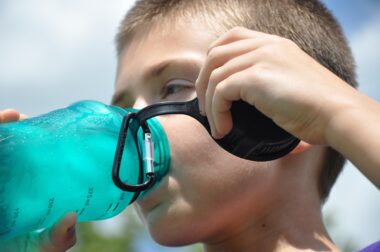
Staying hydrated is vital for trail runners to maintain peak physical performance and maximize their endurance. When participating in outdoor activities, your body loses water through sweat, which can lead to dehydration if not managed properly. This condition can severely hinder performance and increase the risk of fatigue or heat-related illnesses, significantly impacting your ability to complete your run. Be mindful that hydration needs can vary due to several factors, including temperature, humidity, and personal fitness levels. Therefore, taking time to plan your hydration strategy is essential before heading out for those challenging trails.
One of the most effective strategies for trail runners is to develop a tailored hydration plan that suits your runs. Begin by calculating how much water you should consume based on the duration and intensity of your activity. Typically, around 500-1000 ml of water per hour is recommended. Ensure that you start your run well-hydrated, drinking sufficient fluids in the hours leading up to your exercise. Carry a hydration pack or water bottles for easy access during the run. Hydration packs provide convenience, but also ensure to avoid overloading yourself with weight.
Another critical aspect of hydration is electrolytes, as they play a significant role in maintaining body function during intense physical activity. While water is crucial, inadequate electrolyte balance can lead to muscle cramps and fatigue. Incorporate electrolyte-rich sports drinks to replenish lost salts or consume energy gels and chews that contain electrolytes. Tailor your electrolyte intake to your needs and the length of your run, considering the duration and environmental conditions. Balance water intake and electrolyte replenishment is key to optimal performance while trail running.
It is essential to listen to your body during runs, especially when it comes to hydration. Trail runners should pay attention to signs of dehydration, such as dry mouth, fatigue, dizziness, or headaches. If you notice these symptoms, take a break, hydrate, and adjust your intake strategy. Make it a habit to sip water regularly instead of waiting until you feel thirsty. A proactive approach will prevent your performance from suffering and keep you on the trail longer. Adequate hydration is crucial even when conditions are cooler; don’t fall into the trap of underestimating your needs.
Hydration Stations: Planning Your Routes
When planning your trail running routes, consider locating hydration stations along the way. Knowing where to refill your water can greatly reduce the worry about running out of fluids. Many popular trails have designated water sources, such as streams or designated points. Carrying a portable water filter can enhance safety if drinking from natural sources. Ensuring that you have sufficient hydration points will allow you to run without anxiety about getting dehydrated. Plan for your routes, and do research on hydration options in advance to maximize efficiency.
Trail running can be very unpredictable, especially regarding weather and terrain. Carrying water and electrolyte supplies in your pack is essential, but also adaptable. Weather changes can increase or decrease your hydration needs. On hot days, you might require more fluids and electrolytes, while cooler conditions might lessen your consumption. Refueling supplies appropriately will prepare you for varying trail conditions. Always check forecasts and adjust your hydration strategies accordingly to stay well-hydrated during unpredictable outdoor activities.
Post-Run Hydration
After finishing your run, do not forget about proper hydration recovery. Refill your fluids, and incorporate food that hydrates your body back efficiently. Nutrient-rich foods like fruits, vegetables, and soups can aid in rehydration post-exercise. Understand that your body’s recovery extends beyond just replacing lost fluids. Establishing a post-run hydration routine will enhance recovery and enhance your overall trail running performance. Timing is critical; aim to hydrate within 30 minutes of completing your run to make the most of your recovery efforts.
In conclusion, prioritizing hydration during trail runs is essential for optimal performance and overall health. By understanding your body’s needs, planning your routes, and staying proactive about your fluid and electrolyte intake, you can avoid the risks associated with dehydration. Always keep a steady supply of water, use hydration packs efficiently, and ensure regular breaks. Hydration is the backbone of trail running success; make it a part of your training regimen. As you embrace the trails, remember, hydration is not only about quenching your thirst; it’s about sustaining your performance and enjoyment.