
How to Choose the Best Body Fat Measurement Method for Your Bodybuilding Goals
Choosing the right body fat measurement method is crucial for optimizing your bodybuilding performance and achieving your fitness goals. There are several methods available, including skinfold calipers, bioelectrical impedance analysis (BIA), dual-energy X-ray absorptiometry (DXA), and hydrostatic weighing. Each method has its advantages and disadvantages. Skinfold calipers are among the most accessible but require skill for accuracy. BIA offers quick assessments but may be influenced by hydration levels. DXA is highly accurate but expensive and less accessible to the general public. Hydrostatic weighing is another accurate method, but it can be inconvenient and requires specialized equipment. As a bodybuilder, you should consider factors such as your budget, accessibility, and how often you’ll be measuring body fat. Additionally, think about your overall fitness objectives. Are you focused on improving muscle definition, or is weight loss your primary goal? Understanding these aspects will significantly aid in narrowing down the best method suited for you. Building a solid foundation through knowledge of these measurement techniques can yield long-term benefits in tracking your progress effectively.
Understanding Different Body Fat Measurement Methods
There are numerous methods to measure body fat, and understanding them is essential for bodybuilders. Skinfold calipers involve pinching specific body sites, such as triceps and abdomen, to estimate fat thickness. It’s moderately accurate and cost-effective, with results depending primarily on tester skill. Bioelectrical impedance analysis (BIA) works by sending a mild electrical current through the body, calculating body composition based on resistance. While it’s quick and easy to use, hydration levels can skew accuracy. Dual-energy X-ray absorptiometry (DXA) uses X-ray technology to measure bone density and body composition, offering precise results but typically found in clinical settings. Hydrostatic weighing, considered the gold standard, requires submersion in water to determine body density. It provides accurate results but can be intimidating and impractical. Lastly, air displacement plethysmography, such as the Bod Pod, is another reliable choice, though costly and less available. Evaluating the method’s practicality while also aligning it with your goals can ensure that you select the most effective body fat measurement technique for your bodybuilding journey.
Frequency of measurement is another important consideration. Once you choose a method, determine how often you need to assess your body fat. Frequent measurements can be daunting and unnecessary, especially if you don’t see drastic changes. For many bodybuilders, reassessing body fat every four to six weeks is sufficient, aligning with typical training cycles. This frequency provides an accurate trend without creating undue stress or obsession over minor fluctuations. If your goal is to lose body fat or gain muscle, consistency is key to understanding your progress. You might also want to combine measurements with other data, like weight and performance metrics, to get well-rounded insights. Always remember that body fat percentage can be influenced by various factors like hydration, time of day, and even diet. Therefore, stick to a specific routine when collecting data, such as measuring under similar conditions. Bodybuilders may also benefit from consulting professionals who can guide them through the process. This way, you will not only gain knowledge but also receive optimal guidance tailor-fitted to your bodybuilding aspirations.
Combining Methods for Better Accuracy
Another effective technique is combining different body fat measurement methods for enhanced accuracy. Relying solely on one method can yield inconsistent results due to varying degrees of precision and external influences. For instance, using skinfold calipers can provide initial data, which could then be confirmed with BIA or DXA scans to strengthen understanding. By triangulating the results, you can obtain a more comprehensive picture of your body’s fat composition. This hybrid approach offers flexibility, ensuring that you account for irregularities stemming from any single method. Furthermore, combining methods allows you to observe trends over time rather than fixate on one-off results. Understanding body fat changes requires a broader perspective; combining tools illuminates patterns often missed using just one measurement. It’s also a way to learn how your body responds to various training plans and diets. Access to these various tools may require a gym membership or consultations with a fitness professional. Therefore, deliberate planning for this can yield valuable insights into your bodybuilding journey and empower you to make informed decisions for effective adjustments.
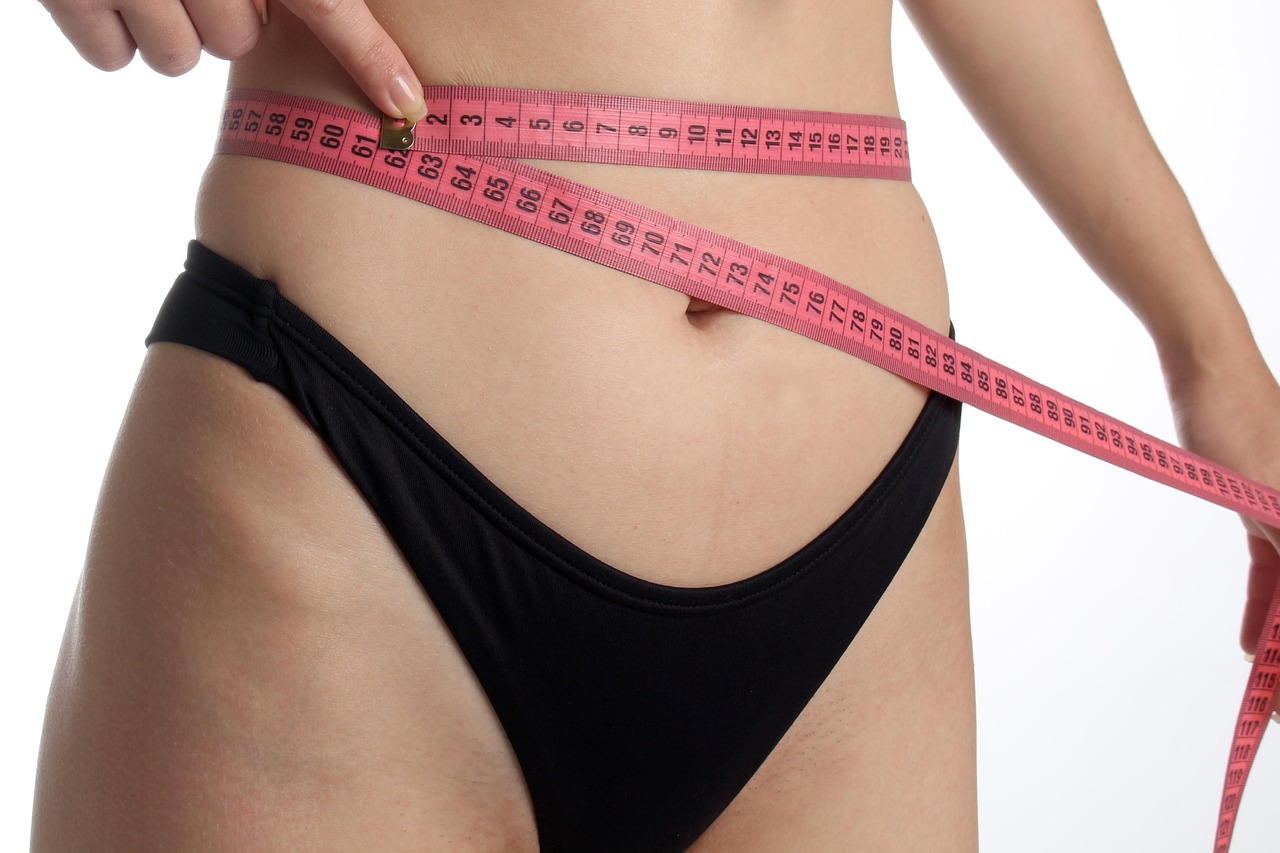
Understanding body composition methods also includes knowing the implications of accuracy and reliability. For bodybuilding competitions, accuracy is crucial, with discrepancies leading to significant impacts on performance assessment, competition entry, and overall health. Most methods will exhibit some margin for error, so being aware of this variability is essential. Additionally, using methods with high reliability can help in establishing baselines and effectively tracking progress through your bodybuilding journey. While seeking the most precise method, consider what best fits your lifestyle. It might not make sense to invest in expensive machines if you can achieve decent results through more affordable means like calipers or even tape measurements. Some bodybuilders rely solely on progress photos and lifting metrics to gauge body composition adjustments. Using multiple methods can act as a safety net against drastic fluctuations or miscalculations. Importantly, always weigh the pros and cons of accuracy versus convenience. Engaging with qualified professionals can also enhance understanding, as they can interpret the results in relation to your overall training goals, diet, and regimen.
Maintaining Consistency in Body Fat Measurements
Consistency is vital when it comes to body fat measurement. Everyone’s body can react differently to scale changes, workout intensity, or dietary shifts. It would help if you also focused on gathering data under similar circumstances. Consider regularity of time of day for measurements; morning assessments after waking and before eating can provide more stable readings. Staying hydrated is equally essential, as fluid levels can significantly affect both BIA and caliper measurements. Sticking to similar pre-measurement routines can minimize these external influences, enhancing result accuracy. Consider maintaining a log to track your results and trends over time. Recording body fat percentage, alongside weight, and performance data allows for comprehensive insight into your fitness journey. Motivation often dips during plateaus or slow progress, which is why having a clear visual of improvement makes all the difference. Additionally, planning specific phases in your training can facilitate periodic updates on body fat. For instance, transitioning from bulking to cutting demands different strategies and assessments. Building muscle typically involves a rise in body fat, followed by cuts where body fat percentage is generally expected to drop.
In conclusion, selecting the right body fat measurement method is a tailored journey unique to each bodybuilder. Aligning the method with your personal bodybuilding objectives, budget, and accessibility is essential. Consider combining methods, such as calipers with sophisticated BIA or DXA scans, to ensure results reflect reality. Ultimately, understanding the nuances of body fat measurement creates a solid foundation for progress. This foundation emphasizes the importance of regular assessments, enhanced accuracy through combination methods, and maintaining consistency for reliable tracking. Critically, bodybuilders should work within their unique context; no method is perfect. Consultation with fitness professionals can assure clarity amid complex variables affecting body fat percentage. Learning the strengths and limitations of each technique can guide wise decision-making. As you work diligently toward your bodybuilding aspirations, keep in mind that tracking body fat should complement your broader fitness goals. Monitoring changes should inspire and motivate, not discourage. Use the knowledge you’ve gained to make informed choices that propel your bodybuilding success forward.