
Best Recovery Foods from Nature: What to Eat After Your Workout
Post-workout nutrition plays a significant role in recovery following exercise. For optimal recovery, one can choose between natural foods and supplements, each having distinct advantages. Natural foods, such as fruits, vegetables, whole grains, and proteins, offer a host of nutrients essential for replenishing the body after physical activities. These foods are generally well-absorbed and assist in muscle glycogen replenishment, which is vital after intense workouts. Moreover, they often come packed with antioxidants, vitamins, and minerals necessary for muscle repair. Eating whole foods can also boost your energy levels and immune function. For instance, bananas are a favorite among athletes for their potassium content, helping prevent muscle cramps. Additionally, incorporating a variety of colors on your plate can ensure a wide range of nutrients. However, the complexity of meal preparation can be a barrier for some. Ultimately, a balanced approach combining whole foods and supplements tailored to individual needs may result in effective recovery and optimal athletic performance. Understanding your body’s unique requirements will guide your nutrition choices post-exercise, ensuring you maximize potential gains.
On the other hand, sports supplements provide convenient options for quality recovery. Products like protein powders, BCAAs, or pre-made recovery drinks can simplify the post-workout replenishment process. While natural foods can be time-consuming to prepare and consume, supplements offer quick access to the nutrients needed to facilitate recovery. Protein powders, for instance, are a popular option for individuals looking to quickly increase their protein intake after workouts. They can easily be mixed with water or a smoothie for convenience. Additionally, supplements can provide precise nutrient ratios, catering to individual recovery needs. However, caution is needed when selecting supplements due to variations in quality and ingredients. Investigating a brand’s reputation and sourcing can help make informed decisions. Importantly, individuals should remember that supplements are just that—supplements. They are designed to complement a healthy diet, not replace it entirely. Thus, prioritizing a diverse array of whole foods along with carefully selected supplements may offer the best recovery. Striking the right balance between natural foods and supplements will ultimately support overall health and wellness.
Natural Food Sources for Effective Recovery
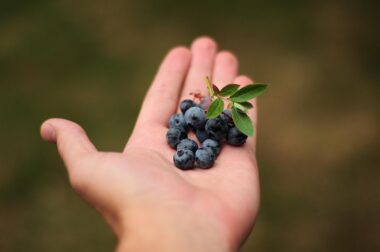
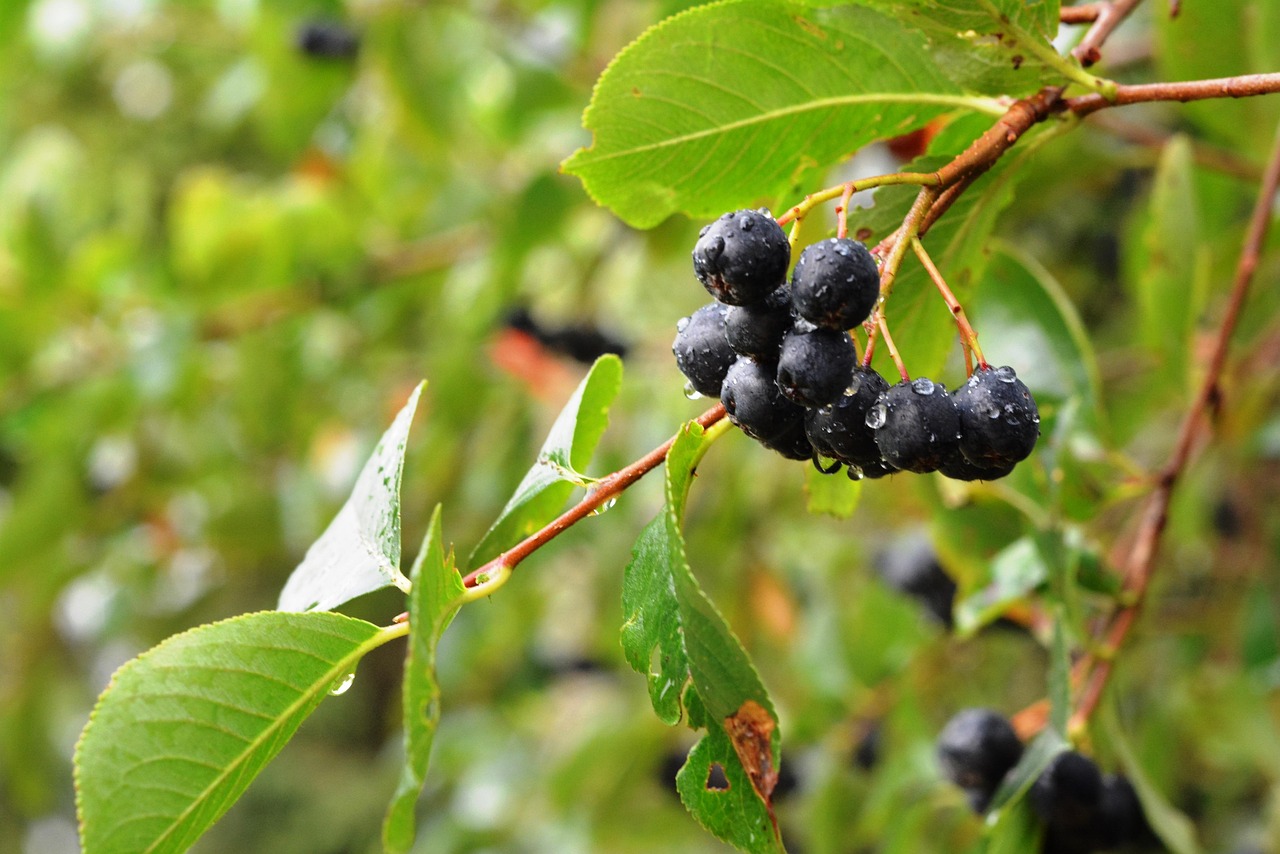
When exploring natural food options for post-workout recovery, several key players stand out. Consuming whole, minimally processed foods can enhance recovery significantly. Firstly, lean proteins are essential for repairing muscles, and sources such as chicken, turkey, fish, tofu, and legumes provide ample protein and other nutrients. Additionally, complex carbohydrates help restore glycogen levels and maintain energy. Foods such as sweet potatoes, brown rice, and quinoa are excellent choices. Next, including colorful fruits and vegetables promotes healing through an additional vitamin and mineral boost. For instance, berries are rich in antioxidants that help reduce muscle soreness and inflammation. Moreover, healthy fats from avocados, nuts, and seeds can also play a vital role in recovery by reducing inflammation and providing energy. Keeping hydrated is also crucial post-workout, as fluids assist in optimal nutrient absorption. Remember that timing is essential; aim to consume these quality foods within the first hour after your workout. Preparing meals in advance can help ensure successful and timely nutrition recovery while supporting overall fitness goals.
Supplements can be beneficial during post-exercise recovery when integrated properly with whole foods. Many fitness enthusiasts turn to protein powders to boost their protein intake, especially if they struggle to meet dietary needs through food alone. Whey protein, a byproduct of cheese production, is particularly noted for its fast absorption and efficiency in promoting muscle recovery. Alternatives such as plant-based protein powders are also gaining popularity for those looking for vegan options. Another supplement worth considering is creatine, which works effectively to enhance muscle recovery following resistance training sessions. BCAAs, or branched-chain amino acids, are yet another option; they can promote muscle recovery and aid in reducing soreness. However, users should prioritize protein-rich foods along with supplementation for maximum benefits. Individual preferences regarding taste, dietary restrictions, and fitness goals will guide supplement choices. Overall, utilizing natural foods alongside select supplements can yield optimal outcomes. Always consult with a healthcare professional or registered dietitian before beginning any supplement regimen to ensure compatibility with personal health.
Balancing Natural Foods and Supplements
The balance between natural food sources and supplements is crucial for effective recovery. Many athletes benefit from a diet that prioritizes whole foods, complemented by strategic supplement use. The key is to listen to your body and understand its specific needs post-exercise. For instance, someone engaged in high-intensity training may require higher protein and carbohydrate intakes. Incorporating foods that provide fiber and healthy fats will further assist recovery. A well-thought-out meal plan that includes pasta with lean chicken or a smoothie with spinach and fruit can provide the necessary nutrients for rebuilding muscles and restoring energy. Conversely, relying solely on supplements can lead to deficiencies in essential vitamins and minerals that whole foods provide. It is essential to evaluate one’s performance during workouts and determine if nutrient timing and amounts are adequate. Adequate hydration and sleep also complement nutrition efforts, leading to enhanced recovery. Strive to maintain a holistic approach that includes not only nutrition but also sleep, stress management, and physical recovery techniques. This integrative strategy will optimize fitness outcomes.
Energy-boosting choices such as dark leafy greens, nuts, and wholesome grains should form the basis of your recovery plan. Consuming post-workout nutrient-rich meals supports optimal recovery. A typical meal could involve a green salad topped with grilled fish and quinoa, offering substantial protein and carbohydrates. Consider enhancing these meals with herbs, spices, or fermented foods that promote gut health. This holistic approach encompasses diversity in nutrients while keeping meals appealing. Planning meals to feature a variety of textures and flavors is key to maintaining interest in a nutritional plan. It’s critical to reassess personal energy levels. If you notice you’re feeling fatigued or sore longer than expected, revisiting meal choices and increasing nutrient intake may be beneficial. As individuals underscore their commitments to fitness, a systematic approach to recovery reinforces results. Combining whole foods and essential supplements tailored to individual requirements amplifies recovery and boosts performance. Adopt this flexible yet structured method of nutrition to foster recovery after every workout, ensuring your body is primed for optimal performance.
The journey toward effective post-workout recovery continues as you refine your nutrition strategies. Establish a routine that prioritizes whole foods while seamlessly integrating supplements when necessary. This ongoing analysis will allow adjustments based on energy levels, workout intensity, and muscle soreness. Engage with your body’s signals and celebrate small victories in your recovery journey. Knowledge surrounding the advantages of both natural foods and supplements will empower athletes and fitness enthusiasts alike. Make conscious choices based on your preferences while adapting as needed. Don’t hesitate to experiment with different food combinations or supplement brands to find what resonates best with your body. Additionally, seeking support from wellness professionals, such as nutritionists or personal trainers, may provide further guidance tailored to your specific needs. Keeping a food diary might also aid in monitoring patterns and optimizing post-workout replenishment. Always prioritize adequate hydration, nutrient timing, and whole food sources alongside necessary enhancement from supplements. By identifying what supports your unique recovery needs, you can build a sustainable approach to nutrition. In doing so, you’ll foster resilience, maintain peak performance, and achieve your fitness goals.
Conclusion: Your Path to Optimal Recovery
The best recovery foods encompass natural options fused with well-chosen supplements. Finding the perfect balance is integral to a sustainable fitness journey. As your routine evolves, continue to assess your nutritional habits and effectiveness. Bursting with nutrients, natural foods stand as cornerstones showcasing multiple benefits beyond just recovery. The familiarity of wholesome ingredients in meals can invoke comfort, fueling the body post-exercise. Supplements have their place, but understanding when and how to use them is equally essential. To maximize your recovery journey, select nutrient-dense foods that work harmoniously with supplements when necessary. Evaluate individual workout demands against nutrient requirements to ensure effectiveness. Test different eating patterns while aiming to make healthful choices. Navigating the world of nutrition doesn’t need to be overwhelming; rather, it should be empowering and adaptable. As you continue this journey, take note of how your body responds and adjust accordingly. Ultimately, the synthesis of various recovery strategies will bolster your fitness journey while adhering to a focus on wellness. Embrace the journey, fuel your body wisely, and witness the remarkable effects on performance as you refine your approach.