
Tips for Reducing Sodium Intake Effectively
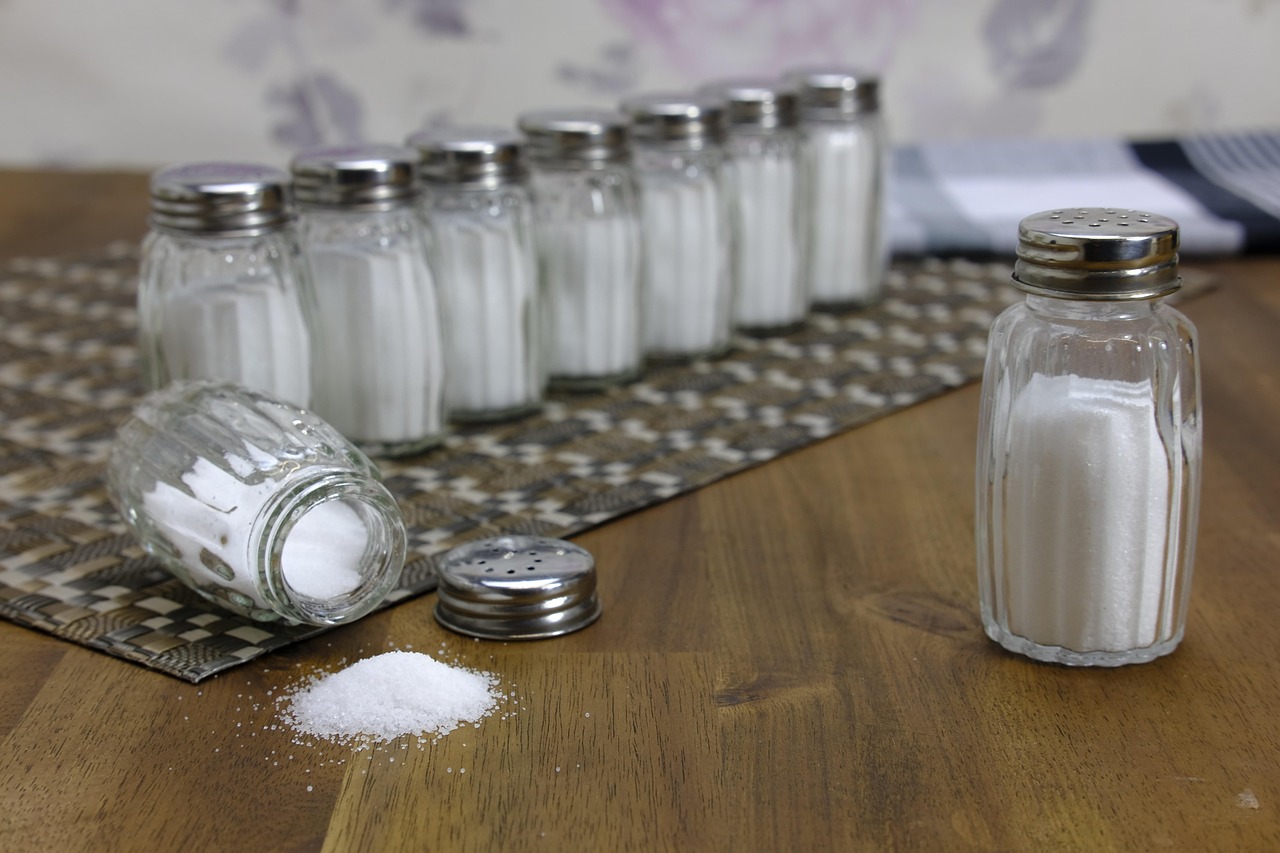
Excess sodium consumption is a concern for many individuals aiming for a healthier lifestyle. Reducing sodium intake can lead to significant health benefits, including lower blood pressure and a reduced risk of heart disease. To effectively lower your sodium levels, start by reading food labels diligently. Many processed foods contain high sodium levels, and understanding these values can help you make healthier choices. Choose fresh or frozen vegetables without added salt. When cooking, use spices and herbs to enhance flavors instead of relying on salt. Adopting cooking methods such as steaming, grilling, or baking can also help preserve the natural flavors of food. Furthermore, consider reducing the use of condiments, which are often high in sodium. You can create your own low-sodium sauces to better control your intake. Always be mindful when dining out, as restaurant meals can be laden with hidden salts. Ask your server about sodium content and request reduced salt options whenever possible. Keeping these tips in mind can significantly impact your daily sodium consumption.
Explore Alternatives to High-Sodium Foods
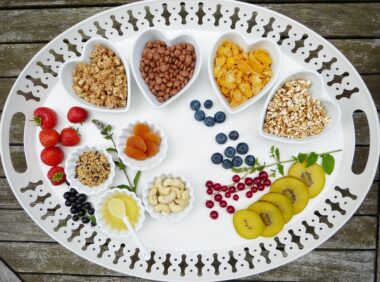
Finding alternatives to high-sodium foods is key in your journey to reduce sodium intake. Start by swapping processed snacks for healthier options such as fresh fruits, vegetables, or low-sodium nuts. These alternatives not only provide nutrients but also satisfy cravings without excess sodium. Similarly, replace high-sodium deli meats with freshly prepared lean meats or plant-based protein sources like beans and lentils. Each of these options will keep your taste buds delighted while lowering sodium levels. Opt for whole grains instead of refined grains that may come pre-seasoned or salted, which can also increase sodium levels. High-sodium condiments also exist in many kitchens; consider switching to low-sodium versions or making your own sauces. Creating homemade dressings allows you to control the ingredients and seasoning levels effectively. Cutting back on pre-packaged meals and preparing homemade meals can have a great impact on your health. As you explore sodium-free seasoning options, remember to discover flavorful spices like garlic, onion powder, or paprika to add zest to your cooking. Gradually, these small changes will help you achieve your sodium reduction goals.
Learning to balance your diet while cutting back on sodium is essential for sustaining health over time. Incorporating whole foods into your meals helps minimize sodium intake naturally. Focus on filling half your plate with fruits and vegetables, which are low in salt. Aim for whole grains, which provide fiber and essential nutrients while reducing sodium. Including high-fiber foods such as legumes and whole grains can keep you full longer, reducing cravings for high-sodium snacks, such as chips and crackers. Also, stay hydrated to help your body cope with sodium levels while encouraging healthier choices. Always include a variety of colors on your plate for better nutrition. Drinking water instead of sugary beverages or high-sodium drinks like store-bought smoothies can support your sodium reduction efforts. When selecting bread products, look for options labeled as low-sodium, as standard bread can often hide unwanted sodium. Making smarter choices while meal planning is crucial. Take inventory of meals you prepare regularly, then analyze their sodium content to discover where to make substitutions for a healthier diet.
Understanding Sodium Recommendations
Familiarizing oneself with sodium recommendations from health authorities is an essential step towards better health. The American Heart Association recommends a limit of no more than 2,300 milligrams of sodium per day, which is approximately one teaspoon of salt. Ideally, they suggest aiming for an even lower intake of 1,500 milligrams for optimal health, particularly if you have conditions like hypertension. By understanding these guidelines, you can make conscious decisions regarding your daily sodium choices. Monitoring your intake is crucial, which can be done by keeping a food diary or using smartphone apps designed to track nutritional values. As you identify your consumption patterns, you can gradually reduce them to align with health recommendations. Remember that sodium is not just from table salt; it’s found in various processed foods, so remain vigilant. Cooking more at home provides the advantage of controlling sodium more effectively than relying on pre-packaged meals. Gradually reducing salt use over time makes it easier to adjust your taste preferences. Educating yourself about healthy menu options when dining out or shopping is vital to ensure you stay under sodium recommendations.
Be aware of the artificial flavoring in many low-sodium products, which can contain additives that overwhelm natural flavors. Similarly, some foods advertised as low in sodium may still contain unhealthy levels of other questionable ingredients. Being mindful of ingredient lists when shopping is a worthwhile practice; prioritize whole ingredients and limit items with excessive preservatives. Enhancing your meals with attractive presentations using vegetables and colorful garnishments can transform dishes, allowing you to feel satisfied without relying on salt. Additionally, meal prepping allows you to plan ahead, ensuring you have low-sodium options readily available during busy days when cravings arise. Exploit seasonal vegetables in your meals to cut costs while enjoying the benefits of fresh produce. Engaging friends or family in cooking can also make the process enjoyable and educational for all involved. Culinary experimentation can lead to new favorites while limiting salt without sacrificing flavor. Making an effort to enjoy meals while focusing on flavor, variety, and texture is an important aspect of reducing sodium intake effectively.
Track Your Progress and Adjust Accordingly
Monitoring your progress while making dietary changes is important for motivation and accountability. Consider evaluating your sodium intake every few weeks to see how your adjustments are affecting your overall health. This can be achieved through writing logs or maintaining a detailed food diary that captures what you consume daily. Regularly assessing how diet changes affect your body can boost your motivation when you see positive results. If you start feeling healthier or notice any weight loss, it will be worth the effort. You can experiment with cutting down sodium even further. If you experience discomfort from changes, don’t hesitate to adjust your approach; dietary changes should be gradual and sustainable for the best results. Frequent reflection on personal goals can enhance your perseverance. Engaging with a nutritionist or healthcare provider can provide guidance tailored to your specific needs. They can help in developing a feasible plan and providing insights on sodium-free nutrition. The critical takeaway is to be patient with yourself. Every step towards reducing sodium intake ultimately brings you closer to achieving long-term health.
In conclusion, effectively reducing sodium intake is achievable through practical strategies and mindful eating. Being aware of sodium levels in foods is instrumental in making informed choices day to day. A combination of education, preparation, and creativity fosters sustainable changes that mesh well with personal tastes and lifestyle. It is important to value wholesome nutrition while recognizing the importance of flavor. Reducing sodium intake can lead to substantial health improvements; prioritize your health by making conscious dietary choices now. As you develop new habits, remember that every small change contributes significantly to your overall health. Involve your family and friends in this journey, as mutual support can greatly enhance motivation and commitment to the cause. Establishing a supportive environment can foster accountability. Lean on community resources for educational support and encouragement as well. Explore diverse culinary experiences that may inspire you to incorporate more fruits and vegetables into your daily meals. Ultimately, the goal is to achieve a harmonious balance in dietary choices while ensuring you enjoy your food without excessive salt.