
The Science Behind Stress Relief Workouts
Stress has become a common part of modern life, affecting mental and physical health significantly. Understanding how workouts can help relieve stress is crucial for those seeking balance. Engaging in physical activities releases endorphins, often referred to as the body’s natural painkillers. These endorphins elevate mood and create feelings of happiness, countering stress effectively. Moreover, stress relief workouts can improve sleep quality, allowing individuals to recover from exhausting days. Regular exercise enhances the body’s ability to cope with stress by increasing resilience and improving mental clarity. Through various forms, including yoga, weight training, or aerobic workouts, stress relief routines can serve multiple purposes. Each workout type engages different muscles, requiring various mental focuses that distract from stressors. Furthermore, group workouts foster a sense of community, reducing feelings of isolation often linked to stress. To achieve optimal stress relief results, individuals should try to find activities they enjoy. This personal engagement can elevate the effectiveness of the workout, making it a sustainable part of daily routine. Thus, recognizing this balance is key to mental and emotional well-being.
Benefits of Regular Stress Relief Workouts
The benefits of regular stress relief workouts extend beyond mere temporary relaxation. Engaging in such activities promotes long-term mental health benefits. For instance, consistent exercise is linked with reduced symptoms of depression and anxiety. Several studies show that individuals who practice regular fitness routines exhibit lower levels of stress hormones, leading to enhanced feelings of calm and stability. Additionally, stress relief workouts can improve overall physical health, contributing to better cardiovascular function and enhanced immune response. A strong body is able to manage stress better and can recover faster from setbacks. Exercise routines that pair mindfulness practices like yoga with physical exertion can deepen relaxation and encourage focus on the present moment. This combined approach not only reduces stress but fosters a healthier mindset. It’s essential to remember, however, that finding the right workout is critical. Activities should be tailored to fit personal preferences, ensuring that individuals remain motivated and engaged over time. Setting achievable fitness goals can also foster personal accomplishments, building self-esteem while reducing stress effectively.
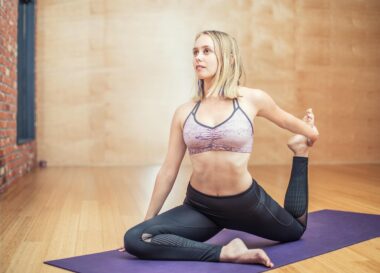
Incorporating stretching as part of your stress relief workouts is invaluable. Stretching helps reduce muscle tension caused by stress, providing immediate comfort and relaxation. Gentle stretches not only release physical tension but also promote emotional relaxation. Yoga, particularly styles focusing on breath control and meditation, can serve this purpose excellently. Research has consistently shown that yoga participates significantly in lowering perceived stress levels among practitioners. By enhancing flexibility, yoga can feel liberating, soothing the mind and body simultaneously. Additionally, incorporating breathing techniques during workouts can magnify this effect, grounding individuals in the present moment. Guided breathing slows the heart rate and allows for greater oxygen flow, stabilizing emotional responses. As a result, individuals not only feel the physical benefits but become calmer overall. Whether it’s attending a yoga class, practicing tai chi, or performing static stretches, the objective remains the same: to help release the built-up tension caused by day-to-day stressors. It’s important to schedule regular sessions and create a space for these practices at home or at the gym. Making this commitment to oneself fosters healthier emotional management strategies for life.
Mind-Body Connection in Stress Relief
The mind-body connection plays a significant role in stress relief workouts. Acknowledging this bond can deepen the overall effectiveness of physical activities in managing stress. Mental engagement during workouts enhances the body’s response, as focusing deeply on physical sensations can distract from stressors. Incorporating practices such as mindfulness meditation alongside physical movement strengthens this connection, allowing thoughts and emotions to be processed healthily. Mindful practices during workouts encourage awareness of each movement, enhancing the overall experience while deepening relaxation. Research has shown that such mindful engagement can significantly reduce feelings of anxiety and improve overall emotional health. Moreover, self-awareness cultivated during workouts can translate into better stress management in daily life. Developing this awareness helps individuals recognize their stress triggers and respond proactively rather than reactively. With time, individuals can learn to employ calming strategies during high-stress scenarios, thereby navigating life’s challenges with greater ease. Enhancing the mind-body connection ultimately leads to a more fulfilling approach to health. It’s about creating lasting changes in how one handles stress both inside and outside the gym.
Nutrition also plays an essential role in supporting effective stress relief workouts. A balanced diet supports physical activities, leveling up energy levels while fostering cognitive health. When individuals eat nutrient-dense foods, they equip their bodies to cope with stress more effectively. Whole grains, lean proteins, and plenty of fruits and vegetables provide the necessary fuel for workouts and daily functioning. Certain foods, such as dark chocolate and green tea, contain compounds that help reduce stress hormones. Even hydration is critical as dehydration can lead to fatigue and increase stress levels. Implementing dietary changes may also improve overall mood, making it essential to adopt healthier eating patterns. An all-rounded approach combining workouts and nutrition promotes resilience and stability against stress. Individuals should consider incorporating small, nutritious snacks before workouts to maintain energy levels and enhance performance. Prioritizing whole foods and avoiding processed options can also contribute to overall health significantly. By understanding the link between nutrition and stress relief, individuals can take important steps toward proactive health and wellness on their fitness journey.
Creating a Personalized Stress Relief Workout Plan
Creating a personalized stress relief workout plan involves assessing individual preferences, fitness levels, and desired outcomes. Reflecting on activities that bring joy can help tremendously when establishing an engaging routine. Choosing workouts tailored specifically produces results beneficial to emotional and physical well-being simultaneously. TRaining sessions should incorporate different forms of exercise such as cardio, strength training, and flexibility work to provide balanced benefits. Setting clear, achievable goals are essential; whether it’s increasing stamina or mastering a new yoga pose. Establishing a baseline and gradually increasing intensity helps individuals avoid burnout while enjoying workouts. Additionally, incorporating variety in workout sessions can prevent monotony and keep motivation high. Consider mixing up environments; working out outdoors can significantly lift the spirits. Finding a workout buddy can also enhance accountability, making exercising more enjoyable and enriching. Adapting and modifying plans over time may prove necessary, reflecting changing goals or preferences. Regular evaluations of progress can help maintain motivation and adapt accordingly. Ultimately, personalizing workouts aligns exercise with personal needs, creating a fulfilling method to manage life’s stressors.
To sum up, stress relief workouts provide valuable benefits for mental health and emotional resilience. Understanding these benefits helps individuals prioritize physical activity as part of their stress management strategy. With exercise losing its stigma as mere punishment, it transforms into a rewarding experience. By choosing enjoyable activities, embracing mindful practices, and focusing on nutrition, people can build a comprehensive approach to navigating day-to-day challenges. Stress relief workouts can become more than just routine; they foster community, increase happiness, and promote overall life satisfaction. Working out not only strengthens the body but serves as a valuable tool in coping with stress effectively. As more individuals prioritize self-care through exercise, society may embolden a healthier, more balanced lifestyle, reducing stress overall. Engaging in personal workouts can unlock potential not just physically, but emotionally as well. Thus, individuals equipped with stress relief skills may better cope with life’s ups and downs, finding equilibrium amid chaos. By emphasizing the science behind these workouts, everyone may harness their power to find lasting peace in daily challenges.
In conclusion, stress relief workouts are essential in navigating life’s challenges effectively. These activities support mental and emotional well-being, promoting resilience in daily life. By understanding the science behind them, individuals can access better stress management techniques. Prioritizing exercise not only leads to better physical health but transforms approaches toward personal stressors. Creating personalized workout plans ensures sustainability and aligns goals with personal preferences. With a focus on nutrition, mindfulness, and community, the journey toward wellness becomes more enjoyable. Each individual may design their path through exploring ways that resonate, turning workouts into opportunities for growth. Over time, staying engaged with fitness can enhance emotional stability while cultivating healthy habits. As more studies highlight the significance of physical activity in managing stress, taking action becomes a priority. Remember, the most effective workout is the one that you can commit to consistently. Thus, encourage finding joy in movement and planning routines that energize and uplift. Ultimately, individuals who harness the power of stress relief workouts can lead more balanced and fulfilling lives.