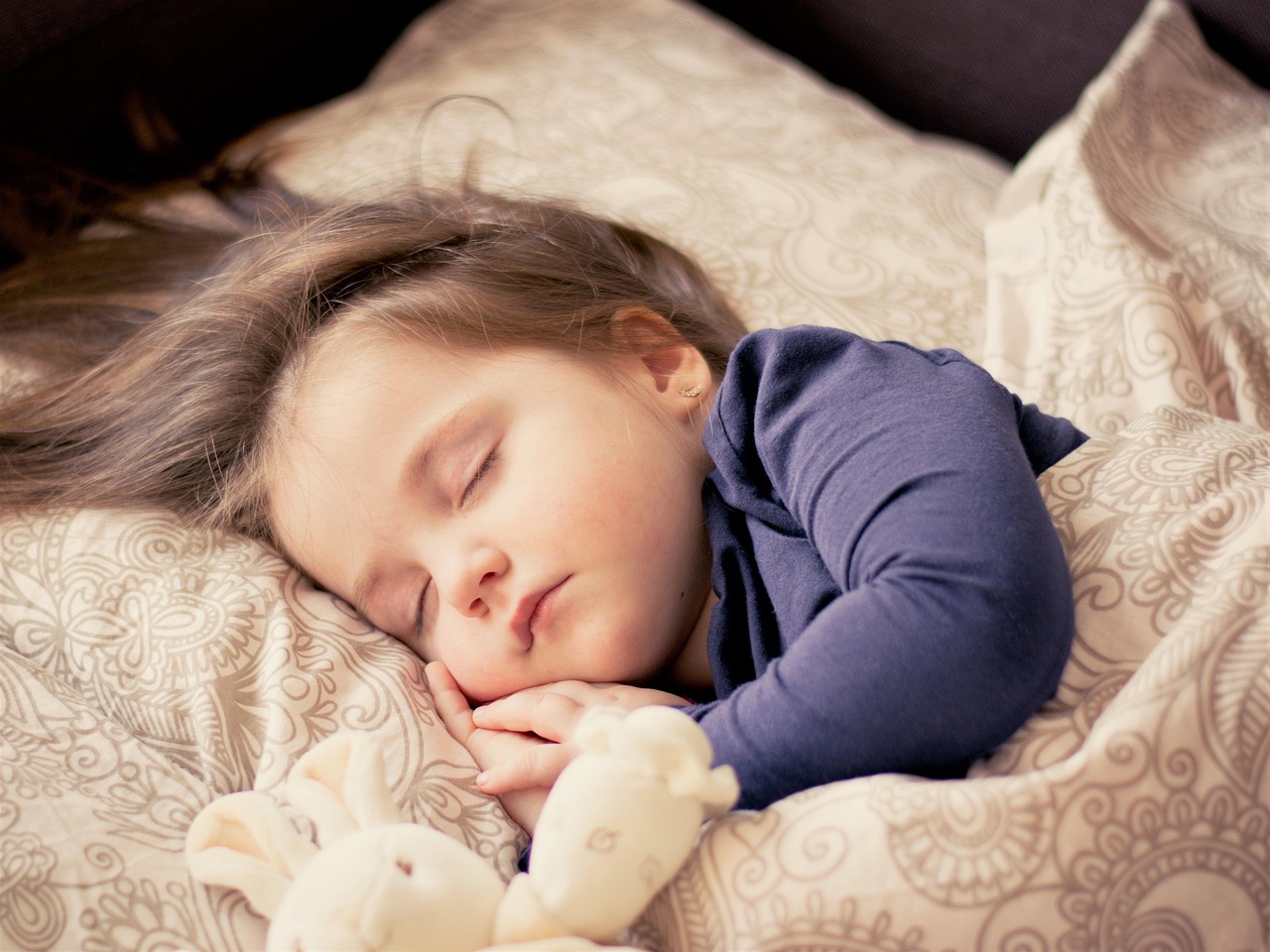

Parental Guidance: Establishing Sleep Routines to Boost Kids’ Fitness
Creating a structured sleep routine for children can significantly enhance their fitness and overall well-being. As experts suggest, children require consistent sleep patterns to support their physical and mental development. When parents cultivate a peaceful bedtime ritual, children are more likely to achieve better sleep quality. This not only aids in recovery after physical activities but also improves focus, mood regulation, and behavior. Parents should prioritize establishing a designated sleep environment that is dark, quiet, and comfortable. Limiting exposure to screens at least one hour prior to bedtime is crucial as blue light can interfere with melatonin production, which is essential for quality sleep. Furthermore, families should consider engaging in relaxing pre-sleep activities together, such as reading or listening to calming music. The importance of sleep cannot be overstated; studies have found a direct link between sufficient sleep and enhanced athletic performance among kids. By actively participating in their children’s sleep routines, parents can instill habits that support both fitness and lifelong health. The journey toward improved fitness may very well start at bedtime with what seems like a simple yet critical routine.
In addition to consistent bedtimes, parents should focus on the importance of establishing a pre-sleep routine. Doing so can immensely benefit their children’s fitness. This routine can include activities like stretching, gentle yoga, or relaxation exercises that help signal the body that it’s time to wind down. Engaging in these activities helps children transition from active play or screen time to rest, promoting a more peaceful night’s sleep. Moreover, discussions around sleep hygiene—like keeping the bedroom tidy and ensuring the mattress and pillows provide adequate support—can also be part of this educational process. Creating a ‘sleep station’ with comforting items such as stuffed animals, bedtime stories, or a calming nightlight can also help ease anxiety, which may hinder sleep. Equally important, parents must lead by example; demonstrating healthy sleep hygiene themselves shows children the value placed on good rest. Being consistent and nurturing while setting parameters surrounding sleep not only fosters trust but also encourages children to be accountable for their own sleep habits. These collective efforts create an environment where kids understand the relationship between adequate sleep, fitness, and overall health.
The Impact of Sleep on Physical Performance
Research clearly shows that insufficient sleep adversely affects children’s physical performance and recovery post-exercise. When children do not get enough rest, it can lead to decreased focus, slower reaction times, and overall diminished physical capability. This decline in athletic performance can be frustrating for active kids who enjoy sports and play. Moreover, chronic sleep deprivation can contribute to weight gain due to hormonal imbalances, promoting cravings for unhealthy foods, and making it challenging to maintain an ideal body weight. Parents play a vital role in ensuring that their children understand these risks. Through open conversations about the effects of sleep on their sports or activities, parents can motivate children to prioritize their sleep as they would their workouts. By informing children about how sleep directly affects their energy levels, mood, and performance, they can cultivate a genuine interest in maintaining good sleep habits. Encouraging kids to set personal sleep goals aligned with their fitness aspirations can make sleep as important as training, strengthening their overall commitment to health.
Another crucial aspect is the understanding that quality sleep can enhance a child’s emotional health, which indirectly contributes to fitness and activity levels. A well-rested child is more likely to feel positive and energetic, ultimately engaging in more physical play and exercise. This increased activity can help build strength, endurance, and agility, all essential components of fitness. Parents should therefore emphasize the emotional benefits of good sleep by discussing how it can improve mood and decrease irritability. In turn, this can lead to better interactions with peers during sports and recreational activities. Additionally, children experiencing consistent sleep may report fewer feelings of anxiety, which can otherwise deter participation in physical activities. Engaging in outdoor physical play has lifelong benefits, starting from childhood to adulthood. Thus, instilling the importance of sleep and its emotional ties to fitness can lead to healthier life choices. Parents might even observe their children advocating for sleep among peers, helping reinforce a culture of wellness that has ripple effects beyond home.
Creating a Sleep-Conducive Environment
To complement sleep routines and routines, parents can optimize home environments that promote restful sleep. Factors such as darkness, quiet, and cool temperatures are vital components in creating ideal sleep conditions. Investing in blackout curtains can make a significant difference by shutting out excess light from street lamps or other sources. Additionally, soft bedding materials can help make sleep more comfortable, promoting better quality rest. Implementing a strict no-device policy in bedrooms can also play a crucial role in minimizing distractions that could disrupt sleep. Machines and electronics emit blue light, known for its capacity to interfere with the natural sleep-wake cycle. Parents can also use tools such as white noise machines or fans to create soothing sounds that mask any interruptions from unexpected noises outside. Furthermore, indulging in occasional family sleepovers or fun sleep-themed activities can help children associate positive feelings with going to bed. By putting significant effort into shaping the right environment, parents are investing in their children’s fitness, elevating both happiness and health long-term.
Consistent communication about the significance of proper sleep within family discussions fosters a culture that prioritizes well-being. Parents can initiate conversations during family meals, highlighting the importance of sleep alongside nutrition and exercise. Making connections between sleep, focus, and physical performance is essential in raising children’s awareness. Parents might also share personal anecdotes about their experiences with poor sleep and its repercussions, demonstrating vulnerability that children can relate to. Another way to bring this topic to light is through illustrating the negative impacts of sleep deprivation on school performance and mood. By showing that rest is interconnected with other crucial components of wellness, children may better grasp the holistic nature of their health. Involving them in setting their sleep schedules fosters accountability, enabling them to take ownership of healthy routines. Children delight in autonomy when allowed to navigate bedtime decisions within a safety net defined by their parents. Over time, these discussions and activities create lasting impressions, encouraging kids to value sleep as equally important as food and fitness.
Setting Goals for Better Sleep
Encouraging children to set realistic sleep goals can be a practical approach to instilling healthy habits. Parents can guide their children by helping them understand their individual sleep needs according to age and activity levels. Designating appropriate wake-up times can be an essential component of this process, allowing room for ample rest. Creating a visual chart that tracks bedtime and awake periods could enhance accountability; it brings a sense of achievement as children complete each day’s sleep goal. Reward systems can also be implemented, allowing children to earn incentives for consistency. Parents can get creative by offering small rewards such as extra playtime or special outings when sleep schedules are adhered to successfully over a set period. Building excitement around achieving sleep goals can foster enthusiasm toward self-care and discipline, vital for their long-term fitness journey. Moreover, sticker charts or incentive programs can become fun tools for children to stay motivated. Collectively, this approach not only nurtures healthy sleep habits but empowers kids toward mindful choices beneficial for their fitness and health.
The journey toward recognizing the intersection of sleep and fitness is ongoing and requires parental engagement. As children interact with peers and navigate school environments, maintaining healthy perspectives on sleep will serve them throughout life. The foundation laid during childhood can sustain a lifelong appreciation for the importance of rest, thereby fostering sustained fitness consciousness. Demonstrations through lifestyle adjustments at home will provide lessons that children can carry forward. Strong parental support can cultivate resilience and determination, which are critical during their budding interests in sports and recreational activities. As families work collectively to normalize healthy sleep routines, the long-lasting benefits may lead to improved performance levels and mental wellness. Additionally, many will find that strong relationships strengthened through shared evening routines can enhance family bonds and promote overall family health. The community aspect of achieving fitness eventually can extend outside the family, influencing friends and peers. By prioritizing sleep as an essential component, parents not only set their children up for success in physical activities but also enrich their emotional resilience, establishing a solid foundation for healthier futures.